Neatorama |
- Found: A Massive Medieval Cathedral From a ‘Forgotten’ Nubian Kingdom
- The Neighbor
- The Contest to Decide Which is Better: Beer or Water?
- The National Spelling Bee Champion Holds 3 World Records for Basketball Dribbling
- The Da Vinci DNA, Cracked
- Why Are Birds Dying?
- Hiroshige’s Shadow Puppet Guide
- Big Cat In Shinjuku!
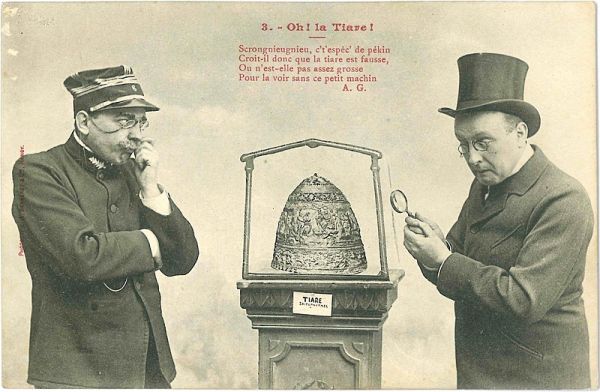
- The Tiara of Saitapharnes
- A Brief Cultural History of UFOs
| Found: A Massive Medieval Cathedral From a ‘Forgotten’ Nubian Kingdom Posted: 09 Jul 2021 10:31 PM PDT
The medieval kingdom of Makuria ranged over parts of what is now Sudan and Egypt. Its capital was Dongola, a Sudanese site on the Nile River where archaeologists have been digging since the 1960s. They previously found a church, and expected to find a town square as well. However, the massive structure they uncovered appears to be a much-larger cathedral.
At its height, Dongola was about the size of Paris today, so it only makes sense that they would have a large cathedral. Read about the discovery and the kingdom of Makuria at Atlas Obscura.  |
| Posted: 09 Jul 2021 10:31 PM PDT
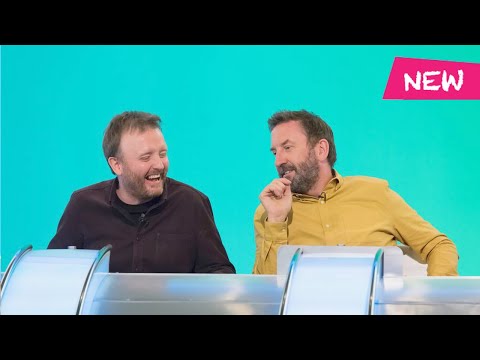
British comedian Chris McCausland is blind. On the TV show Would I Lie To You? he tells the story of that time he had a neighbor who ignored him... or so he thought. This is really funny, but it also shows us how modern technology can enable communications between people who otherwise would not communicate at all. -via Digg |
| The Contest to Decide Which is Better: Beer or Water? Posted: 09 Jul 2021 10:30 PM PDT
From the very start in the contest, Mr. Terrill assumed the lead. At four o'clock, he had cleared 15a. 3r. 16p. [acres, roods, and perches], and Mr. Abbey had cleared 14a. 3r. 0p. Therefore at that time Mr. Terrill was about one acre ahead. A short cessation of work took place. Mr Terrill, it was stated, was "annointed" by his friends, the "ointment" consisting of whisky. But this is denied. However, he worked well after the pause. You might guess that the real winner of the competition was Mr. George Melsome, the owner of the farm, who cleared 48 acres with free labor. But the question of the benefits of beer vs. water was far from settled, once you look into the background of the contest and the men who took part. Read the whole story of the competition at Singular Discoveries. -via Strange Company |
| The National Spelling Bee Champion Holds 3 World Records for Basketball Dribbling Posted: 09 Jul 2021 05:23 PM PDT
Zaila Avant-garde, 14, won the Scripps National Spelling Bee. She's a true Renaissance woman because spelling words correctly isn't her only field of excellence. She also holds 3 Guinness World Records for basketball dribbling. Those records are bouncing 4 basketballs simultaneously 307 times in 30 seconds, bouncing 6 basketballs simultaneously, and bounce juggling 4 basketballs 255 times in a minute. In addition having an astonishingly high DEX score, her INT is off the charts. The AP reports: The time commitment required to master roots, language patterns and definitions is what keeps many top spellers from seriously pursuing sports or other activities. But Zaila, who is home-schooled, claims to have it figured out. "For spelling, I usually try to do about 13,000 words (per day), and that usually takes about seven hours or so," she said. "We don't let it go way too overboard, of course. I've got school and basketball to do." Seven hours a day isn't going overboard? "I have my suspicions. I don't know. I have some suspicions that maybe it's a bit less than what some spellers do," she said. -via Super Punch |
| Posted: 09 Jul 2021 05:23 PM PDT
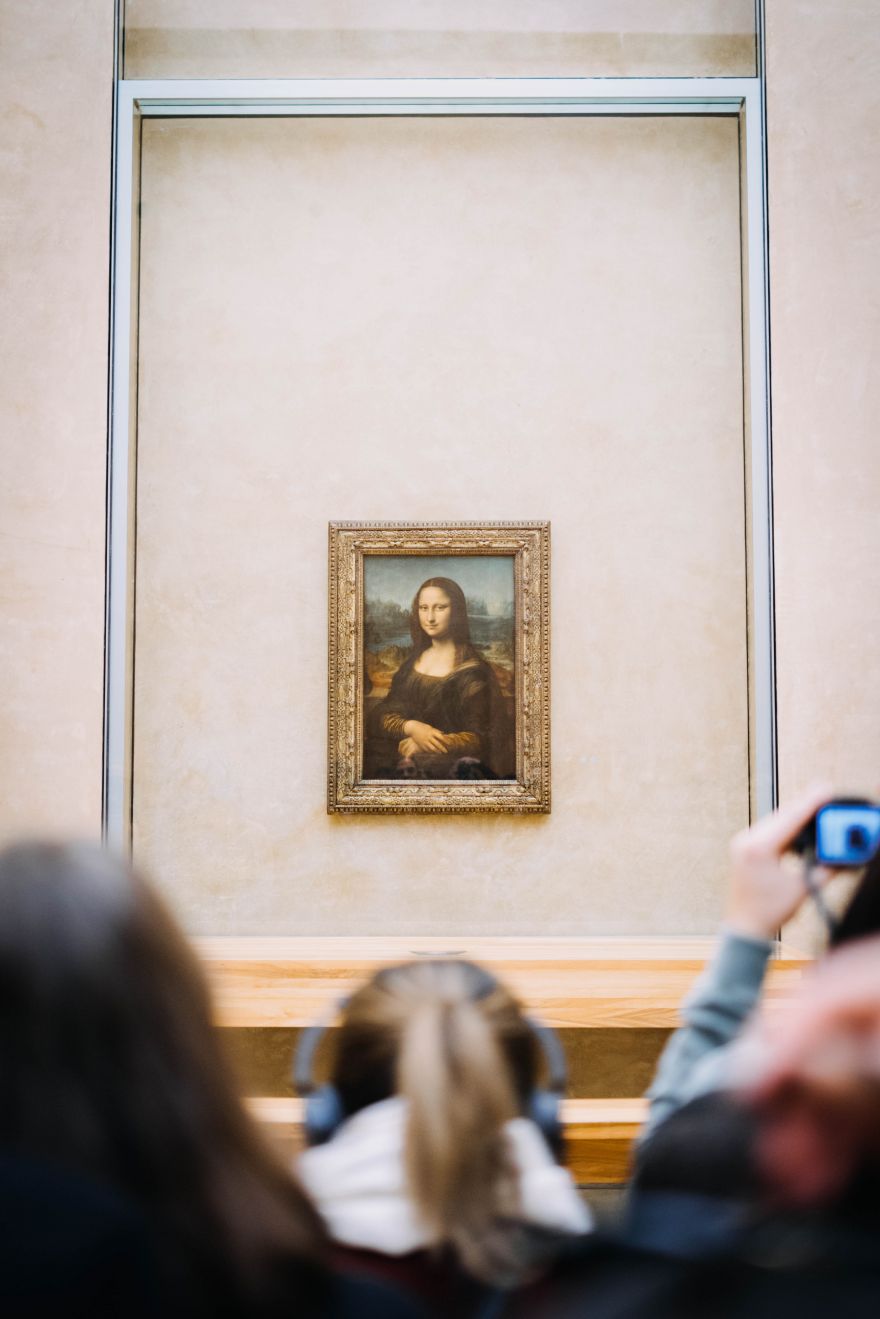
Historians have determined the current number of living descendants Leonardo da Vinci has. Da Vinci has 14 living male relatives, according to a new analysis of his family tree. Alright, they got that number down, so what? According to Alessandro Vezzosi and Agnese Sabato, who spent more than a decade tracing the family tree of the artists, knowing the descendants would 'help anthropologists sequence theDNA of da Vinci by sequencing the DNA of his descendants:' Beyond establishing the identity of his possible remains, sequencing the artist's DNA could also give scientists a better understanding of "his extraordinary talents — notably, his visual acuity, through genetic associations," claim representatives from the Leonardo Da Vinci DNA Project, an initiative that aims to use the genetic information to create 3D images of da Vinci through a process called DNA phenotyping. Da Vinci was a painter, architect, inventor, anatomist, engineer and scientist. Primarily self-educated, he filled dozens of secret notebooks with fanciful inventions and anatomical observations. To accompany famous sketches such as the "Virtruvian Man", da Vinci would write messages coded into his own shorthand, mirrored back to front to hide his studies from prying eyes. Along with detailed drawings of human anatomy, taken from observations of dissected cadavers, his notebooks contain designs for bicycles, helicopters, tanks and airplanes. In a new study, Vezzosi and Sabato used historical documents from archives alongside direct accounts from surviving descendants to trace the five branches of the da Vinci family tree. According to the historians, Leonardo was part of the sixth generation of da Vincis. Image credit: Zach Dyson (Unsplash) |
| Posted: 09 Jul 2021 05:23 PM PDT
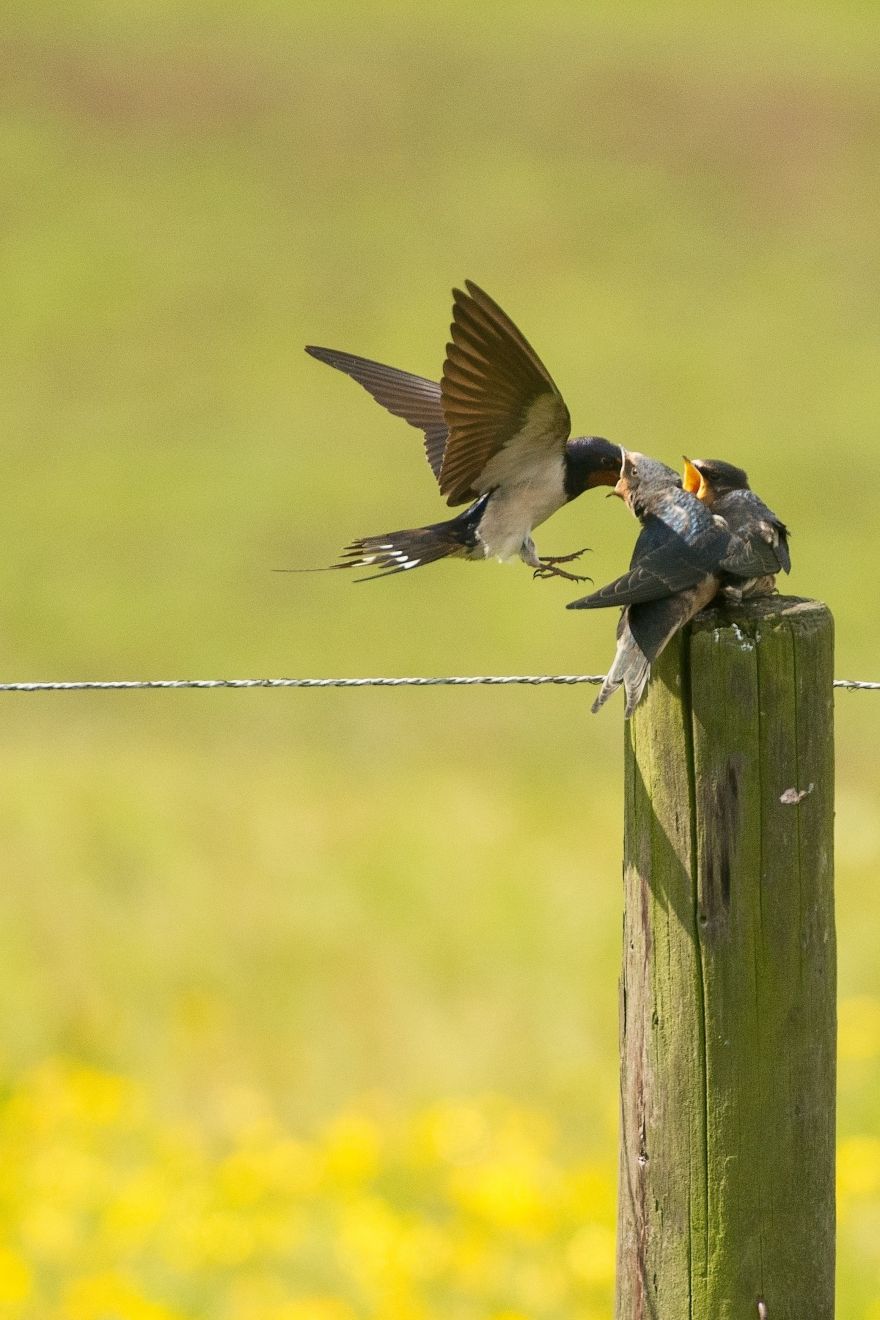
Oh, dear! A new epidemic has hit multiple bird species in North America. Birds across the United States have been hit with mysterious illnesses since April, DW reports. Experts stated that the affected avians had swollen eyes and neurological issues that caused them to lose balance. It isn't unusual to see birds with eye problems, and it took experts a while to realize that the phenomenon was unusual: The United States Geological Survey (USGS) published a report on the mysterious bird deaths in early June. Details remain hazy, but experts are trying to trace the epidemic back to its origins. "The first one we saw was in April. In the beginning of June, that's when we started sending birds to an animal center, where they were alarmed to hear our numbers at the time. Now, we're up to just under 200 that are infected," Monsma reports. [...] Animal centers have been examining the birds for a possible cause of death or illness, but tests have been inconclusive so far. "West Nile [disease] is ruled out. . . Everything has been ruled out. To date, we still do not know," says Monsma, citing tests conducted by Wildlife's clinic director, Cheryl Chooljian. Image credit: Vincent van Zalinge (Unsplash) |
| Hiroshige’s Shadow Puppet Guide Posted: 09 Jul 2021 05:23 PM PDT
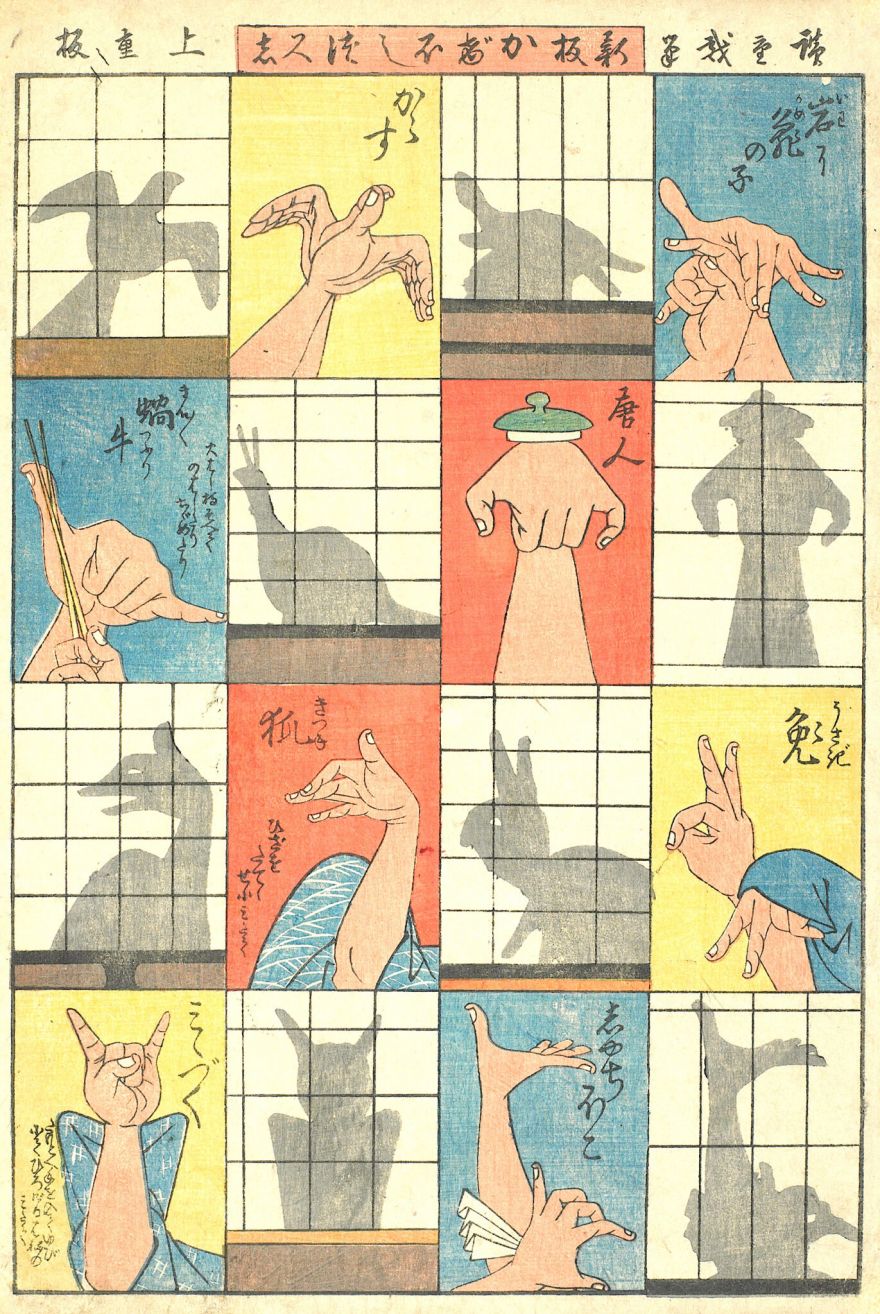
Utagawa Hiroshige is an artist that was known for his mastery of ukiyo-e, the art of woodblock-printed "pictures of the floating world." Hiroshige is the last of the form's masters, producing more than 8,000 works-- that's a lot! Besides his inclination to produce prints of urban and rural landscapes, Hiroshige also created a set of instructional pictures for children on how to make shadow puppets: Hiroshige explains in clear and vivid images "how to twist your hands into a snail or rabbit or grasp a mat to mimic a bird perched on a branch,"writes Colossal's Grace Ebert. "Appearing behind a translucent shoji screen, the clever figures range in difficulty from simple animals to sparring warriors and are complete with prop suggestions, written instructions for making the creatures move — 'open your fingers within your sleeve to move the owl's wings' or 'draw up your knee for the fox's back' — and guides for full-body contortions." The difficulty curve does seem to rise rather sharply, beginning with puppets requiring little more than one's hands and ending with full-body performances surely intended more for amusement than imitation. Image credit: The Minneapolis Institute of Art |
| Posted: 09 Jul 2021 11:12 AM PDT
I, too, would love a big cat to greet me during my everyday commute. Just outside Shinjuku station, a billboard hosts a cat that happily greets visitors and passers by in the area. Commissioned by Cross Space, the cat is a 4K 3D moving image created MicroAd Digital Signage and Yunika Vision: Backed by an impressive sound system, 4K image quality and 3-D imagery created using curved LED screens, the display gives the impression of a living, breathing cat prowling the rooftop above the thousands that pass by each day! During the day, the cat will appear periodically between ads, so if you're lucky you'll be able to catch sight of it, and you don't have to be in Japan to see it either, thanks to this livestream of the building on Cross Space'sYouTube channel. Image credit: cross_s_vision |
| Posted: 09 Jul 2021 10:25 AM PDT
The 19th century was a unique time for archaeology, with wondrous treasures being unearthed all over the world and sent back to the discoverer's home country (or sponsoring country) to be kept in a museum. Museums became very competitive in acquiring ancient artifacts, which sometimes led them to be too trusting as to an artifact's provenance.
Embarrassing for the museum curator, but the incident turned out to be quite lucrative for the goldsmith who made the tiara. Read the story of the Scythian tiara hoax at Amusing Planet. |
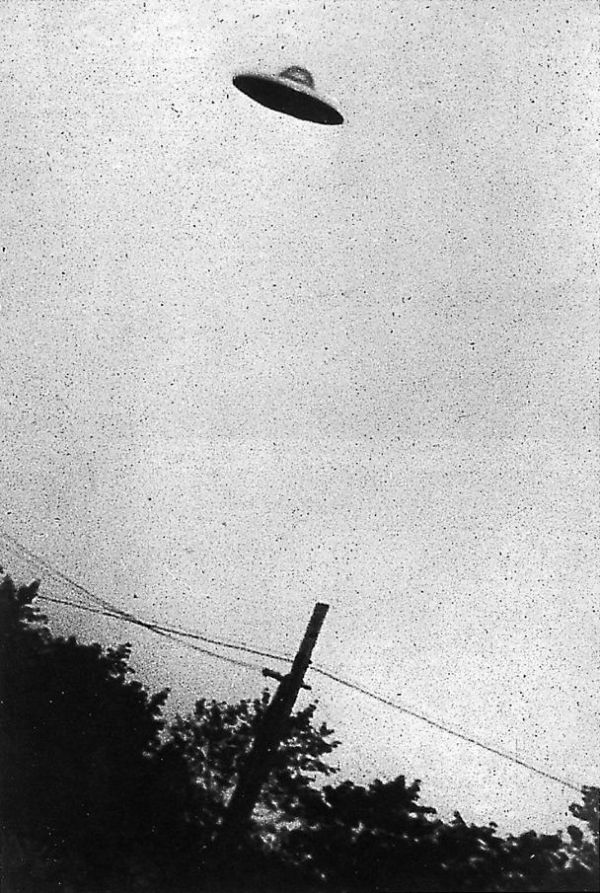
| A Brief Cultural History of UFOs Posted: 09 Jul 2021 10:25 AM PDT
UFOs are easy to explain -they are unidentified flying objects, and are unidentified because we don't know what they are. There are often several possible explanations; we just don't know which one is correct. However, when you start talking about aliens and flying saucers and extraterrestrials, suddenly everyone is interested. While odd things have been seen in the sky since ancient times, they've only been publicized, recorded, and studied since around 1947. Penn State historian of science Greg Eghigian is writing a history of American UFO sightings, and tells us how it all got started.
Eghigian gives us an overview of UFOs in the public eye and the in military studies in the interview at The Conversation. -via Damn Interesting |


| You are subscribed to email updates from Neatorama. To stop receiving these emails, you may unsubscribe now. | Email delivery powered by Google |
| Google, 1600 Amphitheatre Parkway, Mountain View, CA 94043, United States | |
No comments:
Post a Comment
Keep a civil tongue.