Neatorama |
| Posted: 11 Jul 2021 02:17 AM PDT
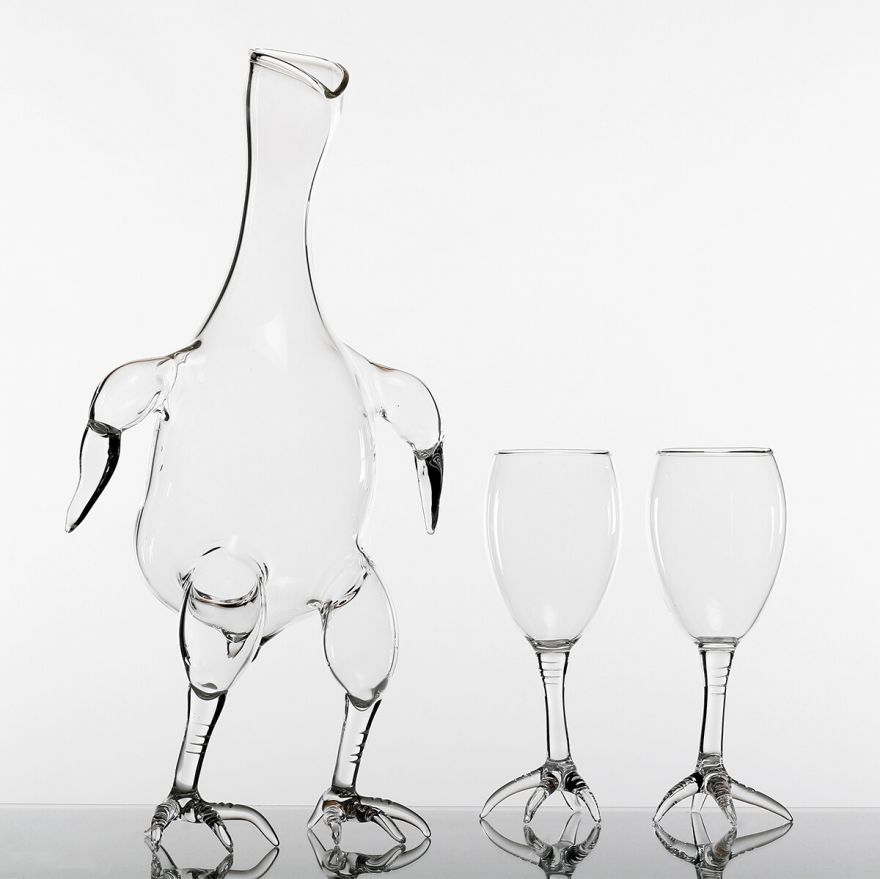
Which wine pairs well with chicken? Any will do, so as long as the wine decants in this glass chicken made by Simone Crestani, a glass artist in Italy. His Instagram page is filled with many wondrously shaped and delicately formed glass objects, many of which, like this decanter and pair of glasses, can be put to practical use in the home. -via Ugly Design  |
| Posted: 10 Jul 2021 09:49 PM PDT
|
| The Science Behind Cats Sitting In Boxes Posted: 10 Jul 2021 08:01 PM PDT
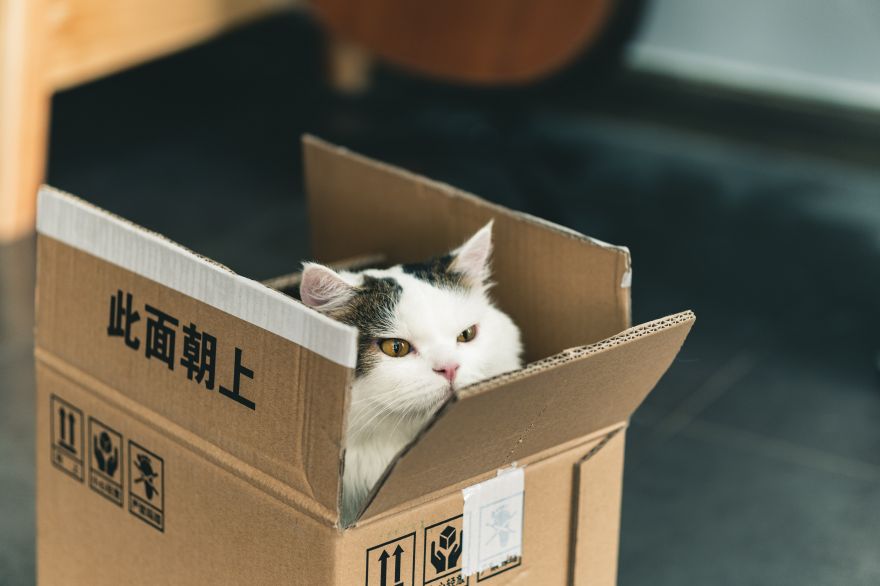
Some cats prefer sitting in empty boxes rather than a well-made cat bed. Big boxes, tiny boxes-- regardless of the size, if a cat finds it, there's a big possibility it will sit on it. The question now is: why? Why do cats have the tendency to sit on boxes, and on any square-shaped item? Animal psychology researcher Gabriella Smith did an experiment to find out: "When we ask, 'What is this animal seeing?' people think of using dogs because they're so easily trained," Smith says. "But cats are the perfect candidate because we already know they will sit in a 2D square." Not only do cats not have to be trained to do this, they don't even have to come into the lab to do it. Cat owners (or as cats call them, servants) could easily tape shapes to the floor and record their cats' reactions. Thus the first cat cognition experiment to usecitizen scientists was born. And what better timing than during the COVID-19 pandemic? Smith put out the call for volunteers (via Twitter, of course) in June 2020. Much of the world was on lockdown to some degree, and cat owners were looking for something — anything — to do in their homes. Plus, Smith notes, "Cats perform best at home. In the lab, they wouldn't behave naturally." She designed the experiment so the humans could gather cat data over six days. Participants were given templates to print out: a square to tape on the floor, and a set of "Pac-Mans," as Smith calls them, that could make an illusory square. Officially, this is called a "Kanisza square," which means that pieces of an image construct a complete image in our brains. Our minds see an image, in this case of a square, in the negative space. Image credit: Jackie Zhao(Unsplash) |
| You are subscribed to email updates from Neatorama. To stop receiving these emails, you may unsubscribe now. | Email delivery powered by Google |
| Google, 1600 Amphitheatre Parkway, Mountain View, CA 94043, United States | |
No comments:
Post a Comment
Keep a civil tongue.