This site is an experiment in sharing news and content. Almost everything here came from email newsletters.
Pages
▼
2022/03/07
Brain shrinkage linked to COVID-19
Brain shrinkage linked to COVID-19 | Remains of ancient child sacrifice victims found near 1,000-year-old mummy in Peru | Are there any moons that are made of gas?
Created for ignoble.experiment@arconati.us | Web Version
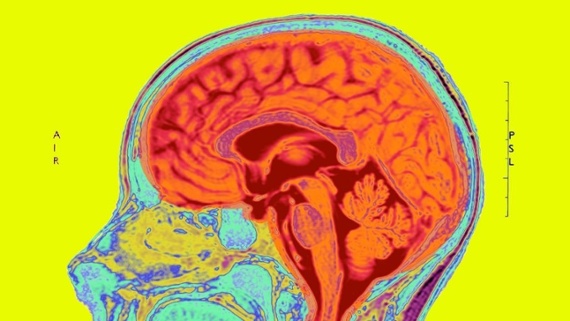
COVID-19 may shrink the brain's gray matter, primarily in areas of the brain involved in smell and memory processing, a large study suggests.
These distinct changes in brain structure crop up in both people who required hospitalization for COVID-19 and those who had less severe infections, according to the study, published March 7 in the journal Nature. And the tissue loss and damage seen in these study participants was "above and beyond" the structural brain changes that normally occur with age, said Jessica Bernard, a neuroscientist and associate professor at Texas A&M University, who was not involved in the study.
(Carlos Garcia Granthon/Fotoholica Press/LightRocket via Getty Images)
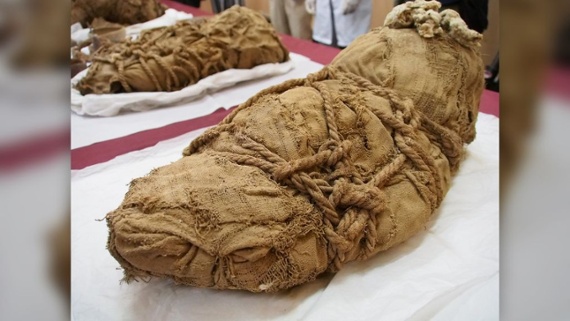
The remains of 20 people who may have been victims of ritual sacrifice have been found near a mummy in Peru.
The mummy, a male, was found in 2021 in an underground tomb at the ancient city of Cajamarquilla, on the outskirts of Lima. The man was lying in a fetal position, and the remarkable preservation of the mummy made headlines around the world. At the time, archaeologists believed the man was between 18 and 22 years old when he died, but new research suggests the man was roughly 35 years old at the time of his mummification, the researchers said in a statement about the discovery. Archaeologists named the mummy "Chabelo."
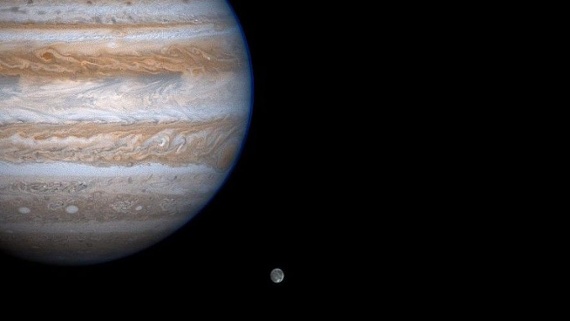
The planets in our solar system come in two forms: Some are rocky, and some are gaseous. But all of the moons in our solar system are rocky, even the ones that orbit gas giants. So why aren't some moons in the solar system made of gas? And are there gaseous moons anywhere in the universe?
There are some very good reasons why no nearby moons are gaseous. And while we haven't found a gaseous moon beyond our solar system, it could be possible under the right conditions, said Jonathan Lunine, chair of the Department of Astronomy at Cornell University.
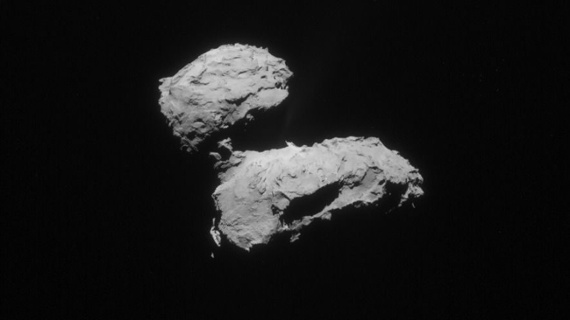
A rubber duck. A spinning top. A pair of pancakes. These are just a few of the shapes astronomers have observed across the solar system.
While planets and some moons are almost perfectly spherical, the smaller bits of the solar system, such as asteroids and comets, come in all different shapes. But why is that?
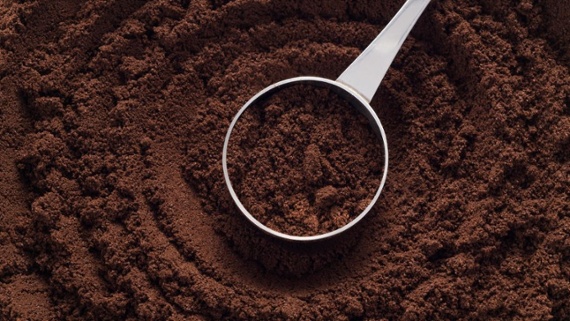
A man in the U.K. died from a caffeine overdose after drinking a mixture containing the caffeine equivalent of several hundred cups of coffee, according to news reports.
The 29-year-old man, Tom Mansfield, was a personal trainer who had ordered a 100 gram (3.5 oz) bag of caffeine powder to use in supplement drinks, according to Yahoo News. However, when measuring the powder on a scale, he made an error that resulted in him consuming a fatal dose of caffeine.
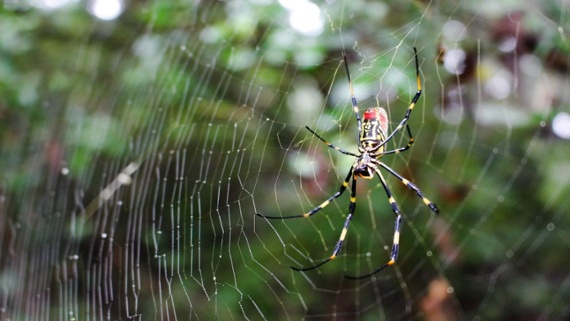
A huge invasive spider that invaded Georgia from East Asia could soon take over most of the U.S. East Coast, a new study has revealed.
New research, published Feb. 17 in the journal Physiological Entomology, suggests that the palm-sized Joro spider, which swarmed North Georgia by the millions last September, has a special resilience to the cold.
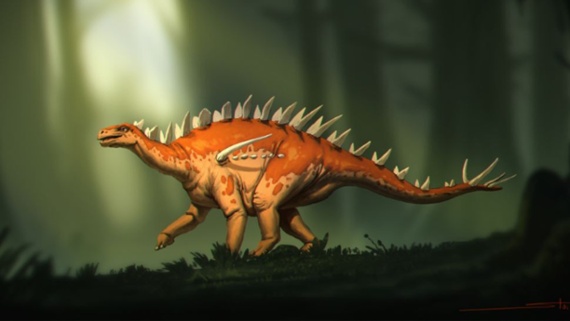
The remains of a newly discovered stegosaur with huge backplates, long tail spikes and a teensy head belong to one of the oldest dinosaurs of its kind on record, a new study finds.
The armored dinosaur, a newfound species called Bashanosaurus primitivus, lived during the Middle Jurassic period (174.1 million to 163.5 million years ago) in what is now China. As one of the oldest stegosaurs on record, its discovery adds more evidence that these plant-eating dinosaurs possibly originated in Asia, the researchers said.









No comments:
Post a Comment
Keep a civil tongue.