Pages

2022/03/11

Missouri Agriculture Updates: Confirmed Avian Influenza Cases, Director Chinn Encourages Biosecurity, Online Premises ID Registration

Be MORE. Do MORE. Join us.
MDA Header 2017

Ag Market News

MORE Initiative

Economic Impact

Missouri State Fair

Missouri Grown

Missouri Agriculture Updates

March 11, 2022


ai

Avian Influenza Cases Confirmed in Missouri

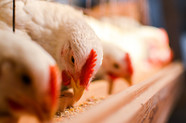
Federal officials have confirmed highly pathogenic avian influenza (HPAI) in Stoddard, Bates, Jasper and Lawrence Counties. The U.S. Department of Agriculture's National Veterinary Services Laboratory (NVSL), in Ames, Iowa, confirmed the presence of highly pathogenic influenza (HPAI) in the flocks.

Samples are delivered to the Veterinary Medical Diagnostic Laboratory (VMDL) at the University of Missouri for testing if birds are showing signs, or there a sudden increase in mortality in the flock. Then, the NVSL confirms the positive results.

HPAI is known to be deadly for domesticated poultry. Missouri Department of Agriculture veterinary officials have quarantined the affected premises, and birds on the property will not enter the food system. 

"The Missouri Department of Agriculture is working closely with federal animal health officials to contain and eliminate the disease," Director of Agriculture Chris Chinn said. "Protecting the health and welfare of livestock and poultry is a top priority. We encourage both commercial and backyard poultry producers to tighten their biosecurity protocols to help stop the spread of the virus."

Poultry producers should prevent contact between their birds and wild birds, and report sick birds or an unusual increase in death loss to the state veterinarian's office at the Missouri Department of Agriculture at (573) 751-3377.

MDA Animal Health Division team members are working with federal partners on additional surveillance and testing in the areas around the affected flock.

"Avian influenza does not present a food safety risk," Director Chinn continued. "Poultry and eggs are safe to eat when handled and cooked properly."

According to the U.S. Centers for Disease Control and Prevention, the recent HPAI detections do not present an immediate public health concern. No human cases of these avian influenza viruses have been detected in the United States.

Situation updates of ongoing avian influenza activities in Missouri, as well as important biosecurity and virus-related information, will be posted online at agriculture.mo.gov/avian-influenza.


premises

Director Chinn Encourages Biosecurity

This is Director Chinn's article from the Missouri Ruralist Magazine, written prior to highly pathogenic avian influenza confirmation in Missouri. 

Earlier this year, USDA officials announced confirmation of highly pathogenic H5N1 avian influenza in wild, migratory birds in five East Coast states.

The disease was detected in the Midwest in February when the Indiana State Board of Animal Health confirmed HPAI in a commercial turkey flock in southern Indiana. This is the first case of HPAI in commercial poultry in the U.S. since 2020.

African swine fever was detected in the Dominican Republic (and subsequently Haiti) in 2021, the first time the infection has been identified in the Western Hemisphere since 1984.

Although it hasn't been seen in the U.S. in more than 90 years, foot-and-mouth disease is present in about two-thirds of the countries in the world.

What do these events mean for Missouri producers? It means we, in agriculture, need to be diligent about the health of our herds and flocks. We must have biosecurity plans in place — not only to safeguard from a foreign animal disease on our farms, but also to help us navigate if the disease comes to Missouri.

In the event of a disease outbreak involving highly contagious viruses, state and federal officials will immediately limit livestock movement to control disease spread. Producers who have a plan in place are in a better position to maintain business continuity, including movement of animals with no evidence of infection to processing facilities or other premises.

Our Animal Health team has made it easy for you to create a plan. Visit our website at agriculture.mo.gov/biosecurity. This page is the starting point for pork, poultry, beef, dairy and sheep/wool producers. Click on the plan you need for your farm or ranch. Here you will find information on the importance of a plan and guidance for creating a plan.

The first step is to request a Premises Identification Number with the Missouri Department of Agriculture Animal Health Division by calling 573-751-3377 or visiting agriculture.mo.gov/biosecurity. If there is an outbreak, officials can more quickly establish a control area because of this information, and contact the farmers and ranchers who might be affected. I certainly want to know if there is a highly contagious disease near our family farm.

At the onset of any foreign animal disease, movement of livestock in control areas will be by permit only. A well-developed and implemented plan of biosecurity and maintaining of herd health will minimize economic losses and allow for quicker movement allowances.

As always, biosecurity protocols on the farm are vital. Here are a few basic, well-known biosecurity measures that we all need to be reminded of from time to time:

  • Be vigilant about cleaning and disinfection of equipment, as well as restricting sharing equipment from farm to farm.
  • Be mindful with introducing new animals to the herd, and separate sick animals from healthy ones.
  • Keep chore clothes (particularly footwear) separate from what you wear to town or a neighboring farm.
  • Have a complete change of clothes on hand before entry into a barn or other animal facilities.
  • Feed and feed ingredients for all livestock should be stored in a manner that limits exposure to rodents and other wild animals.

Beef and sheep operations might not need this level of vigilance, but producers should still be mindful of pathogens that can unknowingly arrive on the boots or clothes of others.

Poultry operations, including backyard operations, should have control measures to prevent contact with wild birds, their feces and feathers, especially wild waterfowl. Feed and feed ingredients for all livestock should be stored in a manner that limits exposure to rodents and other wild animals.

A foreign animal disease outbreak will be costly. Research suggests an outbreak in the beef industry could result in losses of more than $15 billion. Similar loss is possible if African swine fever enters the U.S., with projections even higher if the disease is confirmed in the feral pig population.

Extensive international trade and travel present a constant risk of foreign animal disease entering the U.S. Protecting your farm or ranch with a biosecurity plan through the Secure Food Supply System can help ensure your farm is protected for the next generation.


farm

New Online Premises ID Registration Form

As foreign animal diseases such as avian influenza and African swine fever continue to pose threats to the Missouri livestock industry, the Missouri Department of Agriculture encourages producers to create, or tighten, biosecurity plans on their farms. The first step in developing a biosecurity plan is to register for a federal premises ID number (PIN).

A PIN is a unique code permanently assigned to a single physical location. This number can be assigned to locations where animals are born, managed, marketed or exhibited. Allied agricultural operations and non-producer participants can also register for PINs.

PIN registration is administered by the state of Missouri and allows animal health officials to quickly and precisely identify where animals are located in the event of an animal health or food safety emergency. Information gathered through premises registration will be used solely for animal health purposes. This critical data will provide animal health officials with necessary contact information in case of a disease concern.

The Missouri Department of Agriculture is accepting free and voluntary registration of premises in the state.

MDA has created an easy-to-use online federal premises ID registration form. To register for a PIN online, visit agriculture.mo.gov/biosecurity. For those who prefer to register via phone, contact the MDA Animal Health Division at (573) 751-3377.

Once PIN registration is complete and the premises has been validated by the Animal Health Division, a PIN card will be mailed to the registrant.

If you have already registered for a PIN in the state of Missouri, but have forgotten the number, or need to update information pertaining to the premises, call the Department at (573) 751-3377.

The Missouri State Fair does not require a PIN to show or exhibit livestock.

For more information about the Missouri Department of Agriculture and its programs, visit the Department online at Agriculture.Mo.Gov.


Photo of the Week

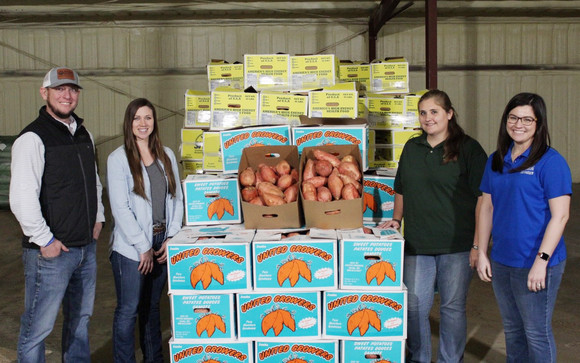
The Mississippi Department of Agriculture and Commerce's Fruits and Vegetables Inspection Division recently hosted several inspectors from the Missouri Department of Agriculture Produce Safety Program for training. MDA staff learned from Mississippi's largest division, the Bureau of Regulatory Services. This group serves Mississippi in the petroleum, meat, consumer protection, weights and measures, produce safety and fruits and vegetables industries.

MISS
Footer

This email was sent to ignoble.experiment@arconati.us using GovDelivery Communications Cloud on behalf of: Missouri Department of Agriculture · 1616 Missouri Boulevard · Jefferson City, Missouri 65102 GovDelivery logo

No comments:

Post a Comment

Keep a civil tongue.