This site is an experiment in sharing news and content. Almost everything here came from email newsletters.
Pages
▼
2023/01/20
Is the sun a node in a gigantic alien space internet? Scientists scanned the skies to check.
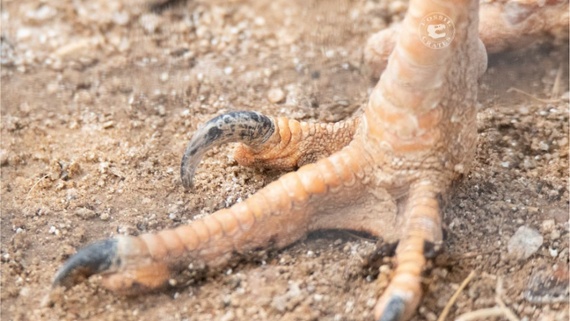
New Alzheimer's drug slightly slows cognitive decline. Experts say it's not a silver bullet. | Velociraptors probably didn't use their 'wicked' claws for slashing, surprising new study suggests | 'Staggering number' of titanosaur nests discovered in India reveals controversial findings about dino moms
Created for ignoble.experiment@arconati.us | Web Version
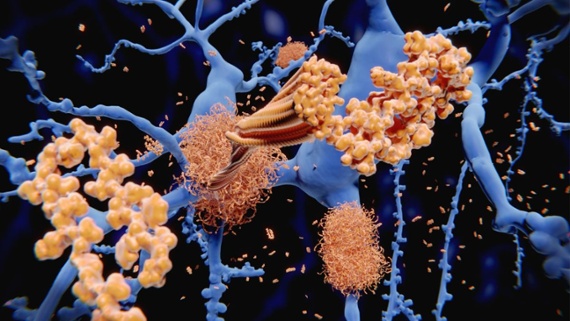
The U.S. Food and Drug Administration (FDA) recently approved the second-ever drug in a new class of medications designed to treat Alzheimer's disease.
Although sometimes heralded as a "breakthrough" in news coverage, the treatment has garnered a mixed review from doctors and scientists because of its modest effectiveness and potential side effects, as well as its price tag. Live Science asked experts what they think about lecanemab and what patients should know about the treatment.
About 70 million years ago, titanosaurs the length of school buses stomped through what is now west central India to lay their eggs by a riverbank.
While these long-necked sauropods and the river are long gone, many of their nests remain intact, full of fossilized dinosaur eggs that reveal clues about how these massive herbivores nested and laid their eggs, and whether they took care of their hatchlings.
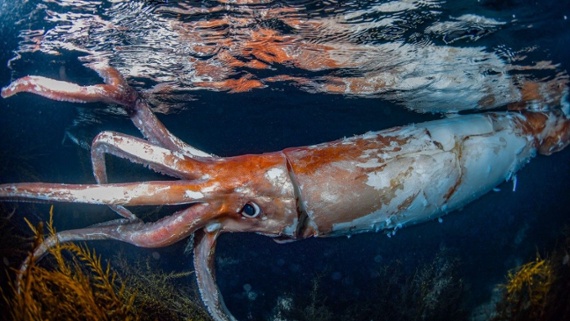
A diver in Japan swam alongside an unusual companion earlier this month: An 8.2-foot-long (2.5 meter) giant squid.
Yosuke Tanaka, who co-runs Dive Resort T-Style with his wife in Toyooka City, Japan, got the opportunity on Jan. 6 when a local ferryman called him to say that there was a large squid swimming near the surface off the coast in the Sea of Japan. Tanaka hurried over, he wrote on his blog, and was rewarded with a close-up encounter with one of the ocean's most mysterious creatures.
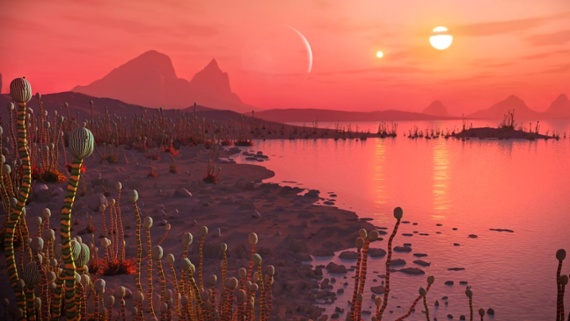
Once life gains even the tiniest foothold on a planet, it may have the power to transform that world, forcing us to broaden our definition of "habitable," new research suggests.
The new study, published to the preprint server arXiv, suggests that our current definition of the habitable zone may be too narrow because it doesn't include how life influences a world.








No comments:
Post a Comment
Keep a civil tongue.