

Neatorama |

- 10 Scales Worth Posting an Article About
- The Cast of <i>Star Trek</i> Sings "Call Me Maybe"
- Agent P Lanyard
- Man Calls 911, Gets Arrested
- Starry Pac-Man
- "Reverse, Auntie. What You Waiting For?"
- Which Typeface Engenders the Most Trust?
- The Office Building That is Half in Germany, Half in the Netherlands
- Disney Princesses As Zombies
- The Ultimate Carnivore Travel Case
- Asian Minatures
- Storms on the Sun
- The Scientific Power of Music
- Vinderhosen
- Darth Vader Mailbox
- The Stealth Rebirth of American Arcades
- The Whimsical Art of Joana Vasconcelos
- Mysterious Mars Curiosity Photo SOLVED!
- Ball
- The Olympic Mini Mini
- Stressed Men Like Big Butts And They Can Not Lie
- Plastic Surgeon's Ad Spoofs Michelangelo
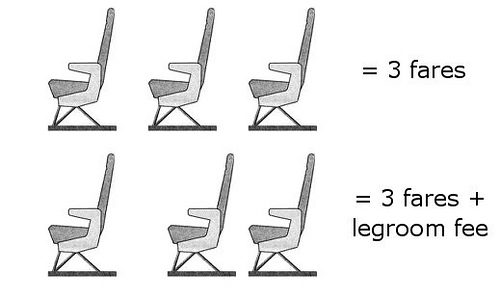
- How Airlines Make Money
- If I Don't Get to Wear Pants...
- Punk Earmouse
- Man and His Best Friend in Lake Superior
- Mmmmm...Tastes Like Lamb Chops
- Sweet Geek Fashions Based On Classic Video Games
- Even More Gorgeous Pop Culture Makeup
- Rock And Roll!
| 10 Scales Worth Posting an Article About Posted: Tiny cannons, Mr. Tornado, and a fail-proof test for figuring out whether she likes you or like-likes you? Hold the page -scales just got interesting. 1. THE SCALE THAT MAKES OUR MOUTHS WATER
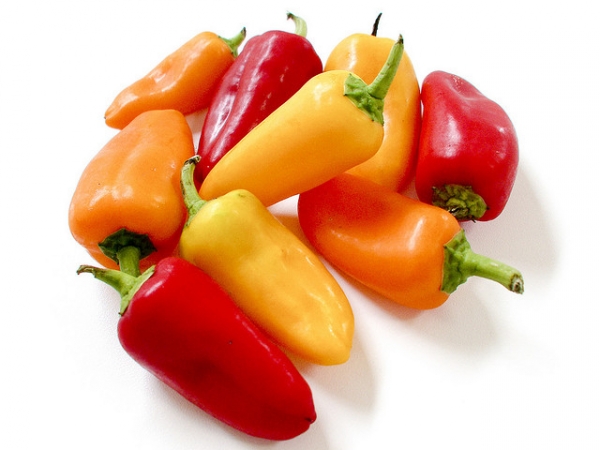
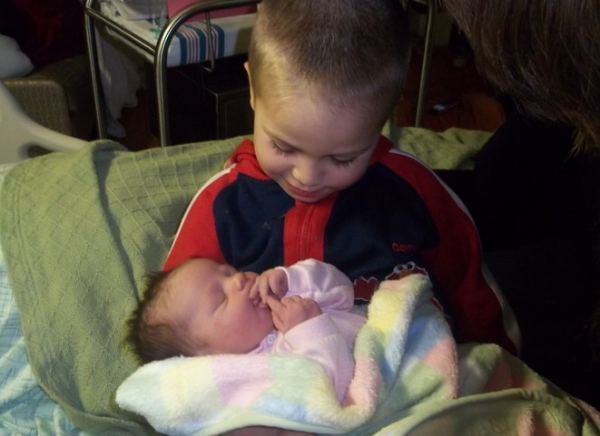
In the early 29th century, Wilbur Scoville, an up-and-coming pharmacist from Connecticut, was hired to work on a muscle salve that used chili peppers to generate its punch. For some reason, the batches kept coming at different strengths. Scoville identified the problem immediately: No one had standardized the types and amounts of peppers being added to the mix. He set about creating a rating system for pepper spice levels, and when no instrument proved as sensitive as Scoville's own tongue, he made himself the guinea pig. He'd soak peppers in an alcohol solution to draw out the key spicy compound- capsaicin. Then he'd dilute the infused liquid with sugar water until the spiciness barely registered on his taste buds. Sticklers will tell you that the Scoville Organoleptic Test doesn't actually measure the amount of capsaicin in a pepper, but rather the number of dilutions needed to put out a capsaicin-fueled fire. Jalapeño, for example, must be diluted 3,500 to 8,000 times, while a garden variety bell pepper needn't be diluted at all. Because no two tongues experience capsaicin the same way, the American Spice Trade Association began using a High Pressure Liquid Chromatograph to quantify hotness in Scoville Heat Units, a method that became the standard in 1998. Scoville was hardly a one-trick pony. His 1895 work, The Art of Compounding, was still being used as a standard in the 1960s, and his papers on strange chemicals (such as the cantharides in Spanish Fly) made him a legend in the field. Still, in our minds, Scoville's greatest achievement is pepper-related: He's the first scientist in record to suggest drinking milk to put out a spicy mouth fire. 2. THE SCALE THAT SAVED MILLIONS OF BABIES It may seem obvious now, but when Columbia Medical School anesthesiology professor Virginia Apgar claimed in 1952 that a newborn baby's survival was linked to its condition right after birth, the idea was revolutionary. One year later, after observing 2,096 deliveries at the Sloane Hospital for Women in New York, Apgar put a bib on the concept. Specifically, she proposed applying a "grading" system to newborns, given at one minute and again at five minutes after birth. The scale awarded points from 0 (poor) to 2 (good) across five criteria: pulse, respiration, muscle tone, color, and reflexes. Added together, the numbers generated an Apgar Score, which is still the standard within maternity wards. A score lower than 4 is considered critical, while 7 or greater means the baby is in good health. Most crucially, the process of assessing the five criteria forces nurses and doctors to pay closer attention to potential problems, leading to earlier interventions. Today, Apgar is credited with saving hundreds of thousands (if not millions) of lives. A 2001 study published in the New England Journal of Medicine found that "the relation of five-minute Apgar scores to neonatal survival indicates that the Apgar score is just as meaningful today as it was almost fifty years ago." 3. THE SCALE THAT COUNTS THE WAYS WE LOVE "Do you like him or do you like-like him?" While that's the sort of question you'd expect from recess chatter, it's also the type of question American sociologist Zick Rubin discussed in Likingand loving: An Invitation to Social Psychology, his landmark 1973 book. Rubin, who developed the Rubin Like/Love Scale while still a grad student at the University of Michigan, is considered the first person to establish empirical measurements of very fuzzy assessments of regard and affection. Rubin crafted his scale by whittling down 80 statements about liking and loving to two questionnaires of 13 statements each. The "Like Scale" measures sentiments of respect and an assessment of similarity to oneself. It includes statements such as "X is one of the most likable people I know" and "X is the sort of person whom I myself would like to be." The "Love Scale," on the other hand, delves into matters of the heart with statements that measure caring and intimacy: "I find it easy to ignore X's fault," and "I would do anything for X." In each scale, a person rates his or her responses from 1 (Not True/Strongly Disagree) to 9 (True/Agree Completely).
As brilliant as his scale is, Rubin still flies under the radar. Way under the radar. In 2011, Rubin wrote a hilarious op-ed piece titled "How the Internet Tried to Kill Me" in the New York Times detailing his attempts to convince various websites that he wasn't dead after his demise was erroneously reported in the 2001 edition of The Penguin Dictionary of Psychology. One exchange featured an editor asking him, "Is it possible the page is talking about a different Zick Rubin? The article is about a social psychologist." Something's telling us Rubin neither liked nor loved these conversations. 4. THE SCALE THAT WELCOMES FOLKS TO THE NEIGHBORHOOD The Bogardus Social Distance Scale was created in 1933 to measure how accepting people are of other social groups. Over the years, it's become a favorite indicator for academics and government researchers -specially ones interested in race relations, immigration, and tourism. The scale works its magic by asking test subjects to assess their comfort with members of other groups through a spectrum of social-contact possibilities. Responses range from 1. would be willing to marry to 7. would bar from my country. Intermediate levels include 2. a willingness to have as a close friend, 3. next-door neighbor, 4. colleague, 5. citizen, and 6. visitor. While no specific applications rely on the BSDC, its results can be used to explain or predict behavior and attitudes in any number of areas. New Zealand, for example, recently used Bogardus research to help revamp its tourism industry, specifically the way the country markets itself to various ethnic groups. The scale's creator, Emory S. Bogardus, was one of America's most prolific sociology writers, with more than 250 books and articles to his credit. In 1967, Bogardus published A Forty Year Racial Distance Study based on findings using his scale. Its major conclusion: Over time, the distance and distinctions between different social groups in the United States were decreasing -a positive indicator for a nation that had struggled with civil rights for so long. 5. THE SCALE THAT'S MADE FROM SCRATCH Two centuries ago, geologists and folks who cared deeply about rocks, minerals, and other naturally occurring inorganic material would classify substances by their chemical makeup. But German professor Friedrich Mohs had a different idea: Why not sort rocks by traits like shape, hardness, and um, cleavage (how a mineral breaks apart)? After all, everyone who encounters minerals in their work -from miners to builders to manufacturers- cares an awful lot about how weak or strong the substances are. Inspired by scratch tests that miners used to gauge hardness, Mohs devised a 1-10 scale for minerals based on which one could scratch the other. Talc, one of the softest minerals on Earth, is 1 on the scale; diamonds, one of the hardest, registers a 10. Number 2 through 9, if you're keeping score, are gypsum, calcite, fluorite, apatite, orthoclase feldspar, quartz, topaz, and corundum. All 10 Mohs Scale minerals were chosen based on industrial-strength popularity, not because they followed a perfectly divided sequence of increasing hardness. The truth is, any substance can be valued on the Mohs Scale. The human fingernail, which scratches gypsum but can be scratched by calcite, earns a feeble 2.5; unglazed porcelain, meanwhile, rates an impressive 7. You show 'em, unglazed porcelain! 6. THE SCALE THAT USES A TINY CANNON
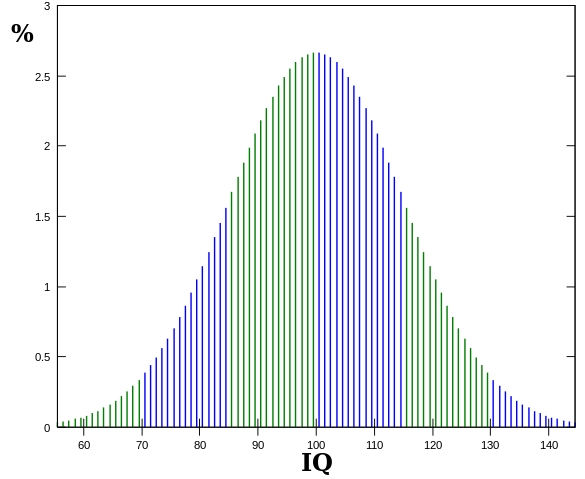
The scale is particularly useful for engineers designing anything from hammers to cars. Here's why it works: The Brinell Hardness Number (HB) is obtained by dividing the load in kilograms by the spherical area of the indentation in square millimeters. Lead, a shamelessly soft metal, earns a 5 HB, while copper merits a 35. Meanwhile, stainless steel throws down at 200 HB. Oddly enough, Brinell's Jackass-ian genius has spawned several imitators. In 1906, Austrian researcher Gabriel Janka developed a wood hardness test by measuring how much force it takes to embed a .444-inch steel ball in a plank. (It takes a lot more force to get a steel ball into Australian buloke than balsa, but you probably knew that.) 7. THE SCALE THAT RATES OUT SMARTS Inspired by the birth of his daughters in 1885 and 1887, French psychologist Alfred Binet launched a career-long investigation into the nature of intelligence. In 1904, Binet and former intern Theodore Simon were appointed to a commission to study education for mentally retarded students. In response, the pair created the first widely accepted empirical measurement of intellect and mental abilities. The Binet-Simon test reflects a child's skill at completing 30 wide-ranging tasks -from the recognition of food as food to rhyming skills- and scores correspond with age: a 5 on the scale means the test-taker's intelligence equals that of a 5-year-old. In 1916, Stanford psychologist Lewis Terman adapted the Binet-Simon scale for use by the American public. Terman developed a score that calculated mental age divided by a person's chronological age multiplied by 100, and called it an Intelligence Quotient. In the modified system, which would come to be known as the Stanford-Binet Intelligence Scales, scores around 100 were considered normal. People with an IQ of 140 or higher earned the label of "genius," while those who scored in the 50-59 range were classified as "morons." People with scores from 20-49 were called "imbeciles" and anyone scoring below 20 earned an "idiot" status. The SBIS has been revised many times over the years, most notably with a 2003 switch from an age-based "normal" score to one derived from the test results of a random sample of people. Modern versions are also kinder to low scorers; yesterday's idiots are now said to have a "profound deficiency." 8. THE SCALE THAT RATES THE WIND BENEATH OUR WINGS
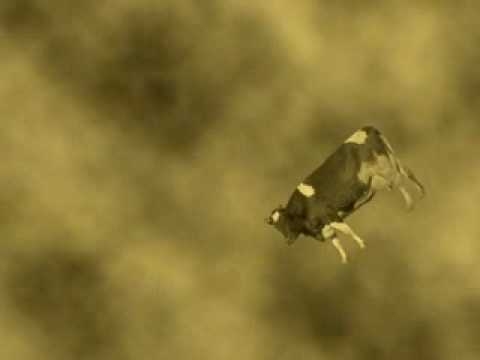
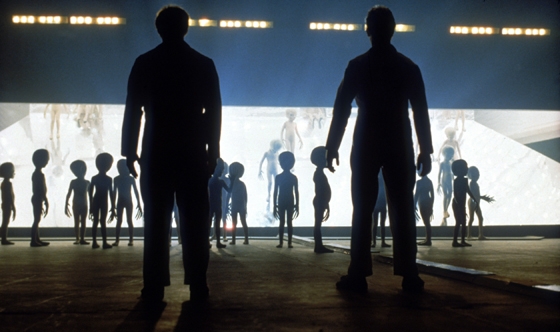
British naval officer Francis Beaufort wasn't the first person, or even the first Englishman, to develop a system for categorizing the strength of the wind. (Robinson Crusoe author Daniel Defoe devised his own system during a particularly tempestuous storm in 1703.) But Beaufort's scale -which measured the visible effects of wind rather than its actual speed- was the first to be adopted by the Royal Navy. Beaufort devised his scale in 1805, while serving aboard the HMS Woolrich. A year later he described it in his diary: It ran from 0 (calm) to 13 (storm) and was eventually accompanied by various abbreviations describing the weather: "fg" for foggy, "dr" for driving rain, and so on. Amazingly, the scale is still being used -though it's evolved over the years as instruments measuring wind force have become more realiable. Today, the scale starts at a "calm" 0 -meaning wind speed less than one knot with a sea surface that's "smooth and mirror-like" and maxes out at a "hurricane" 12 -registering a 64-plus knots and a scene described as "air filled with foam, [and] waves 45 feet tall." But as enduring as Beaufort's wind scale is, it's hardly his greatest gift to science -Beaufort's bigger accomplishment was getting a young Charles Darwin a ticket on the HMS Beagle. 9. THE SCALE THAT'S ALWAYS BEING TWISTED For centuries, all tornados were considered equal -or at least equally desetructive. But in 1971, Ted Fujita changed all that. Using the Beaufort Scale as a model, the University of Chicago meteorology professor theorized that a tornado's wind speed determined the damage it left. Based primarily on ground and aerial surveys but frequently incorporating eyewitness reports and ground-swirl patterns, Fujita's six point "F scale" starts at F0 (40-72 mph winds; think damaged chimneys, broken tree branches, uprooted mailboxes, and splintered billboards) and goes up to F5 (261-319 mph winds; uprooted redwoods, overturned mobile homes, and relocated neighborhoods). Since 1974, the F-scale has been used to categorized every reported tornado in the United States. No wonder Fujita, who died in 1998, was known by friends and reporters as "Mr. Tornado." In 2008, a new Enhanced Fujita Scale helped standardize ratings using specifically defined combinations of factors, none of which include the number of cows being juggled in the air. 10. THE SCALE THAT INSPIRED STEVEN SPIELBERG From 1948 through 1969, Northwest University astronomy professor J. Allen Hynek investigated UFO sightings for the Air Force. Despite nearly single-handedly turning the study of extraterrestrials into a respected discipline, Hynek worried about being labeled "a UFO nut." So he applied more and more method to his study. Today, Hynek is mostly remembered for a scale enumerated in his 1972 book, The U.F.O. Experience: A Scientific Inquiry, a classification system for encounters with aliens and/or their crafts. The "close encounters" are of three kinds: First, spotting an alien craft with the naked eye; second, having evidence of a landing, such as crop circles or other physical effects on plants, animals, and humans; and third, contact between an alien life form and humankind. It was the last classification that inspired the idea behind Steven Spielberg's 1977 film Close Encounters of the Third Kind. Hynek, who died in 1996, was a technical advisor on the film. __________________________
Don't forget to feed your brain by subscribing to the magazine and visiting mental_floss' extremely entertaining website and blog today for more!  |
| The Cast of <i>Star Trek</i> Sings "Call Me Maybe" Posted: Thanks to YouTube user Zyphorg, the cast of Star Trek: The Next Generation can collectively sing Carly Rae Jepsen's "Call Me Maybe." Lots of Worf and Beverly Crusher clips. Not enough Ferengi scenes, even though the Ferengi have a refined sense of romance and irrestible allure. -via Nerd Bastards |
| Posted:
Perry The Platypus is that you! Let Perry help you keep your secret idenity card safe and accessible with the handy dandy Agent P Lanyard from the NeatoShop. This great card / key holder features a laser-cut Agent P dangle. Be sure to check out the NeatoShop for more great Back to School stuff and fun Phineas and Ferb items. |
| Posted:
You can listen to an audio recording of the conversation at the link. |
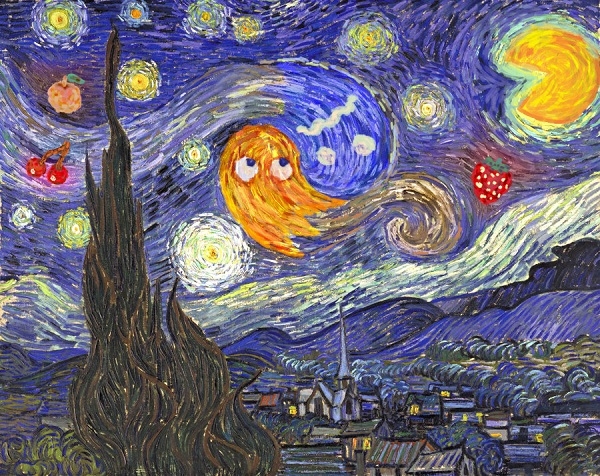
| Posted: A Pac-Man game designed by Vinent Van Gogh would have been mesmerizing. The power pellets would let you fly and the ghosts would rather dance with you than attack. Alas, it was not to be, and we are left with only this excellent digital work, Starry Night at the Arcade, by Noah Gibbs. Previously:Starry Night is Everywhere! |
| "Reverse, Auntie. What You Waiting For?" Posted: While waiting for a woman to back her car into a parking spot, this bard composes and performs a libretto exhorting her to move faster. She declines. Content warning: some foul language. Video Link -via Sippican Cottage |
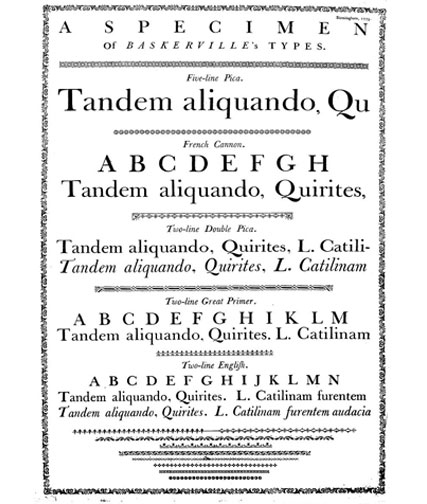
| Which Typeface Engenders the Most Trust? Posted: Have you ever seen a résumé written in comic sans? Regardless of the content, the applicant has probably hurt him/herself. Little details in writing, such as the typeface, can subtly persuade or dissuade a reader. Errol Morris of the New York Times writes:
Psychologist David Dunning of Cornell University discovered this by asking people to evaluate the validity of statements. He used six different typefaces: Baskerville, Computer Modern, Georgia, Helvetica, Comic Sans and Trebuchet. Respondents were more likely to agree with a statement if it was written in Baskerville. Why? Dunning speculates:
Link -via American Digest | Image: Baskerville fonts, Cambridge University Library |
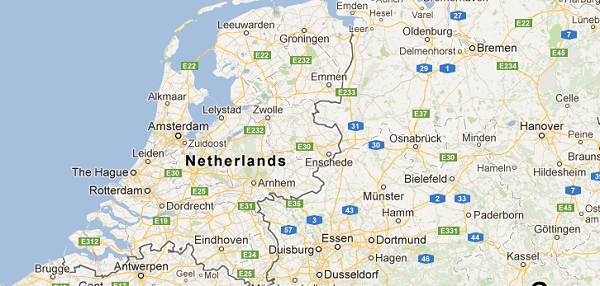
| The Office Building That is Half in Germany, Half in the Netherlands Posted: Does your company have communication problems? Do some departments act like independent countries? That's nothing compared to the headquarters building of the computer security company Alunsa. It straddles the Dutch-German border:
At the link, you can see a photo of the borderline inside the building. |
| Posted: I’ve seen plenty of zombie crossovers, and Disney princesses are constantly being used as the subject of genre crossover art, but I’ve never seen those fairy tale gals looking so gruesome! Created by Witit Karpkraikaew, this series leaves the beauty behind and focuses on the truly ghastly nature of the undead. A whole new world… it’s not always a good thing! Link --via Geek Tyrant |
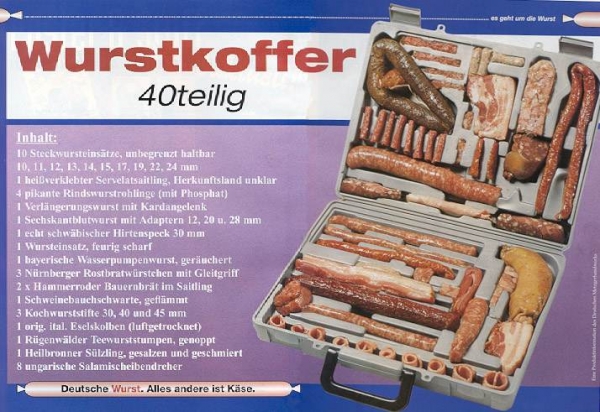
| The Ultimate Carnivore Travel Case Posted: For the hungry traveler on the go may I present the Wurstkoffer, a safe plastic case that lets you carry around and protect an assortment of hearty German sausages and cured meats. Now your delicious meaty treats can travel the world by your side, filling those around you with a strange feeling of nauseous envy. “Is that a gun in your case, sir?” “Nein, das ist meine Würste!” Link --via Geekosystem |
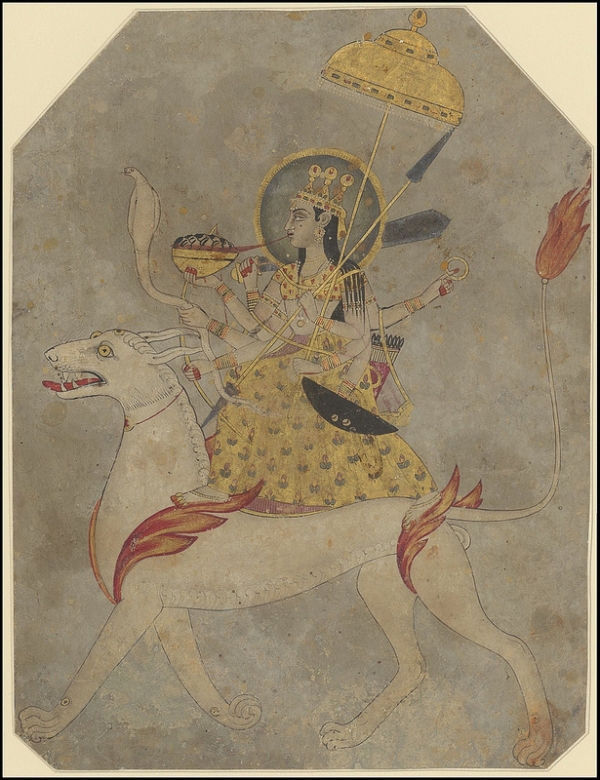
| Posted: In the digital collection of the Bibliothèque nationale de France, there is an album of pencil and watercolor sketches of Hindu gods and Mughal emperors, but they don't know the date -possibly the 18th century. Pictured here is the goddess Durga. See a selection of these fascinating miniatures at BibliOdyssey. Link |
| Posted:
If a solar flare of this magnitude were to happen again, the good news is that we'd know about it ahead of time. The bad news is that with modern electrical grids, the damage would be much, much worse. However, the complete opposite, meaning a lower than usual number of sunspots, can cause dangerously cold weather, as it did in 1709. Read about solar weather and its effects at Damn Interesting. Link |
| Posted: The latest video from asapSCIENCE explains how music makes us feel good. The secret is the same thing that love and drugs produce: more dopamine in our bodies. -via Buzzfeed |
| Posted:
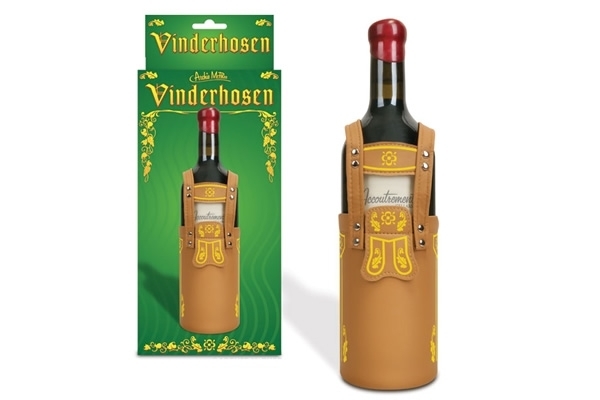
The shelves of the NeatoShop are alive with sound of wonderful new products and here is one of our new favorite things. Vinderhosen! Always make sure your favorite wine is dressed to impress. The Vinderhosen is so stylish and yet so slimming. Be sure to check out the NeatoShop for more glorious Barware & Cocktail items. |
| Posted:
I'm sure that the Darth Vader mailbox finds your own mailbox's lack of style disturbing, so grab yourself some paintbrush and get to work! See the larger version over at Geeks Are Sexy: Link |
| The Stealth Rebirth of American Arcades Posted:
The reports of arcade's death are greatly exaggerated. Sure, the arcade industry is far from its heyday of the 80's, but it is actually experiencing a bit of a revival. And it's all thanks to geeks! Kyle Orland of Ars Technica clues us in on the stealth rebirth of the American arcade:
|
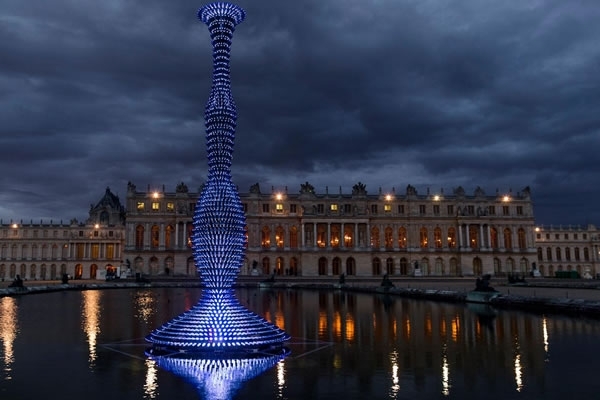
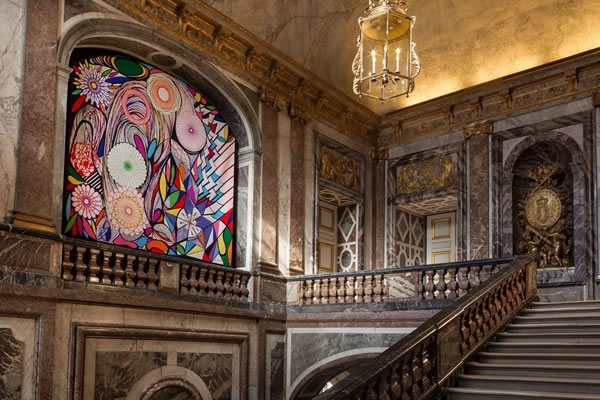
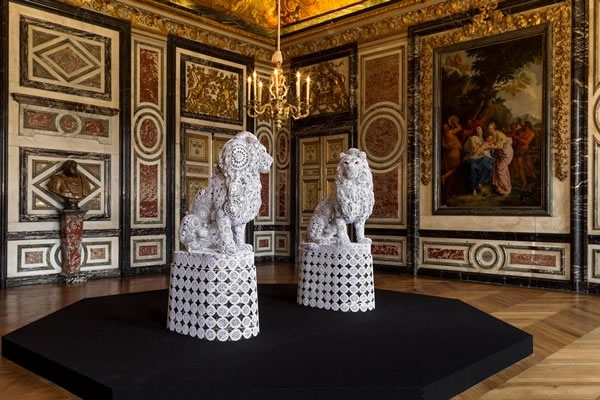
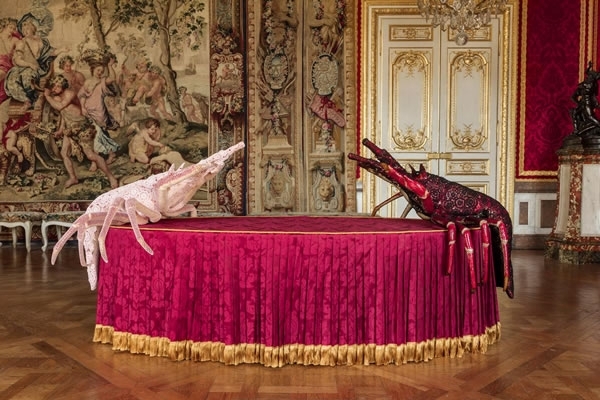
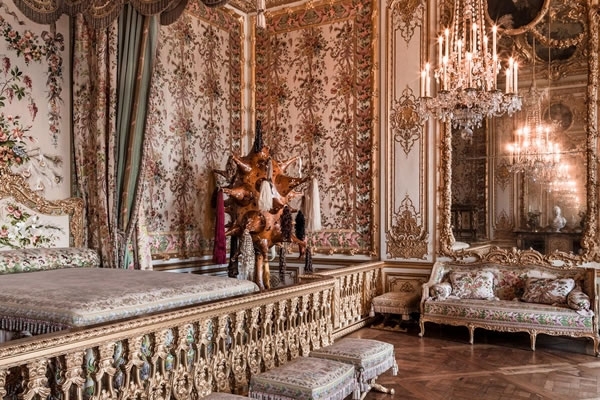
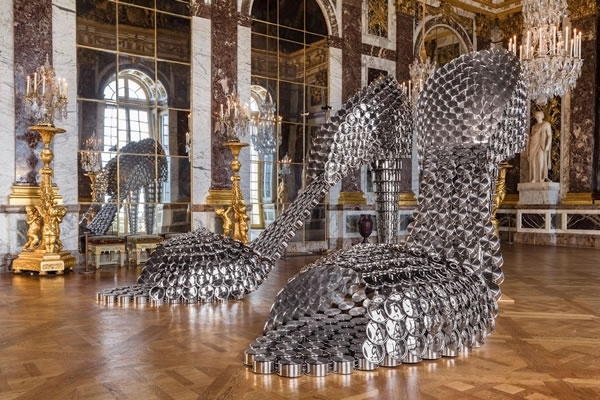
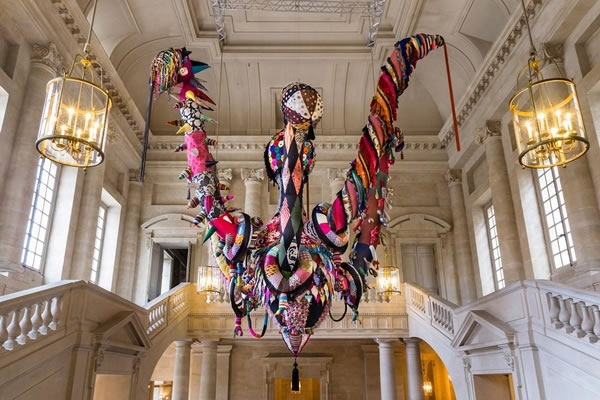
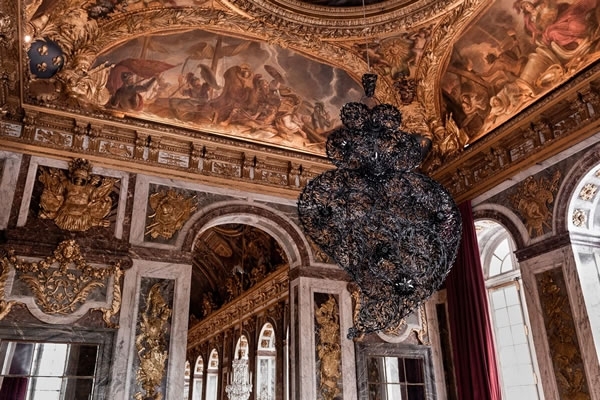
| The Whimsical Art of Joana Vasconcelos Posted: We've featured the whimsical artwork of Portuguese artist Joana Vasconcelos before on Neatorama, but we're pleased to hear that she's exhibiting at Versailles, France. Somehow, her contemporary artwork fits nicely in the baroque style of the lil' chateau of Louis XIV. My personal favorite is the Lilicoptère above, but be sure to take a gander at more of Joana's artwork below and visit her website: Link - via ELLE Decoration |
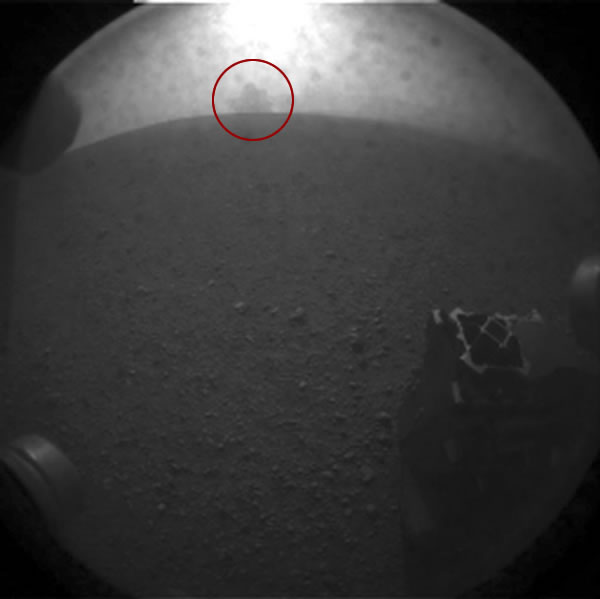
| Mysterious Mars Curiosity Photo SOLVED! Posted: NASA's Mars rover Curiosity beamed back this mysterious photo earlier this week, that got scientists and space enthusiasts buzzing with delight. It seems that they've got themselves a mystery. Scott Gold of The Los Angeles Times wrote:
What could it be? NASA scientists are suggesting that the mysterious plume could be a serendipitous photo of the crash-landed sky crane. But we know better. Thanks to CSI-style "Enhance" algorithm we have here at NeatoPlex, we've solved the mystery:Calcifer, something has landed near us, move the castle sixty miles west. |
| Posted: Sports balls, disco balls, meatballs, they're all here in this short film by Everynone. There's no plot to follow, just a treat for your eyes. -via Flavorwire |
| Posted: |
| Stressed Men Like Big Butts And They Can Not Lie Posted:
In the immortal words of Sir Mix-a-Lot, stressed men like big butts and can not lie, you other scientists can't deny ...
Christie Wilcox of Scientific American's Science Sushi explains: Link |
| Plastic Surgeon's Ad Spoofs Michelangelo Posted: Be born again, proclaimed this clever ad by Dr. Kim Plastic Surgeon with the clever use of Michelangelo's The Creation of Adam, all you have to do is push that button to the third floor ... - via My Modern Met and Sock Studio |
| Posted: So blindingly obvious, now that The Cranky Flier blog pointed it out:
Link - via The Economist's Gulliver Travel Blog |
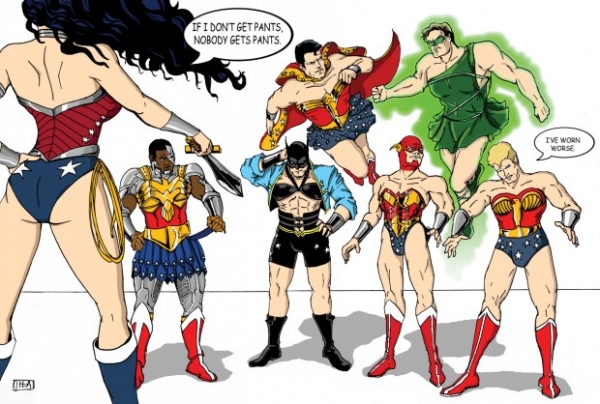
| If I Don't Get to Wear Pants... Posted: There's been a lot of discussion about sexism in the way superhero comics are drawn. In a column called The Line It Is Drawn, artists were challenged to illustrate what happens when a male superhero tries to wear the costume of a female superhero. See fifteen of them in a roundup at Comic Book Resources. Link -via Metafilter (Image credit: Cynthia “Thea” Rodgers) |
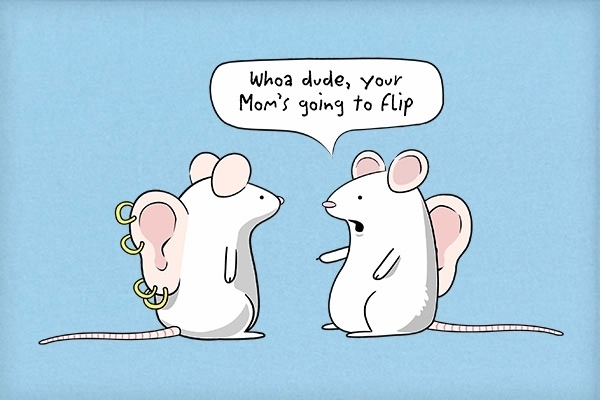
| Posted: Every teen rebels, even if an earmouse one. Here's Mike Jacobsen's take on a rebellious Vacanti mouse. Perfect for science geeks every where: Link View more Funny T-Shirts and Science T-Shirts over at the NeatoShop |
| Man and His Best Friend in Lake Superior Posted:
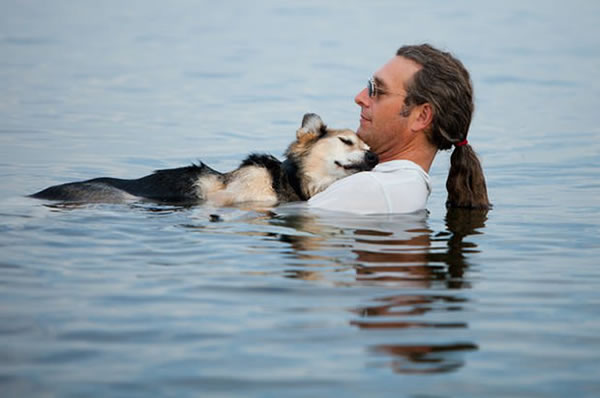
Photographer Hannah Stonehouse took this marvelous photo of her friend John Unger swimming with his dog Schoep, who at 19 years old, now has arthritis and has trouble sleeping. Unger found that the water helps the dog's pain and takes the dog to Lake Superior to lull him to sleep. The photo has gone viral on Facebook, and it's easy to see why. John Lundy of Duluth News Tribune has the back story of the man and his best friend: Link - via Huffington Post and PetaPixel |
| Mmmmm...Tastes Like Lamb Chops Posted: Sure, it looks like they're cuddly little best friends, but really her hoofed companion is just covered with his mother's milk and the cat is a sucker for goat's milk. Via Cute Overload |
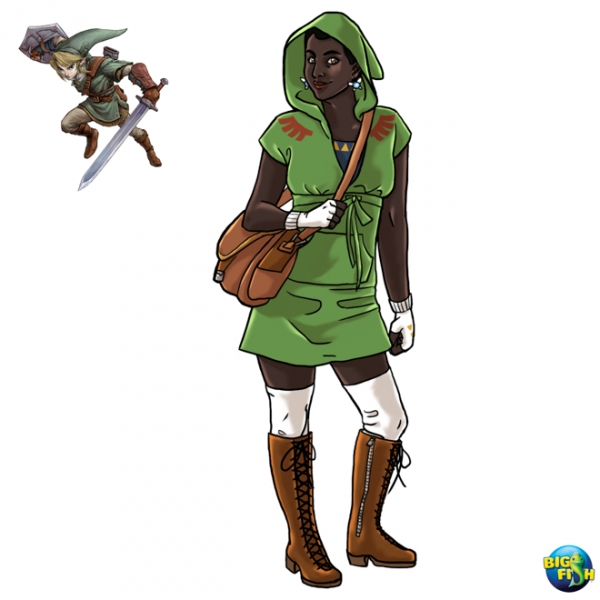
| Sweet Geek Fashions Based On Classic Video Games Posted: Back in May, artist Amanda Hemmons came up with a ton of great women's fashions based on The Avengers. Big Fish Games was so impressed by the design that they asked her to try her hand at designing women's fashions based on classic video games. You can see her Sonic look above and her Link look below. While some of the looks are a little over the top, I'd wear the Sonic one. What about you other ladies? |
| Even More Gorgeous Pop Culture Makeup Posted: You've seen Avenger's eye shadow and movie scenes depicted in makeup, but if you just can't get enough beautiful eye shadow styles, then don't miss this great gallery over at The Mary Sue. |
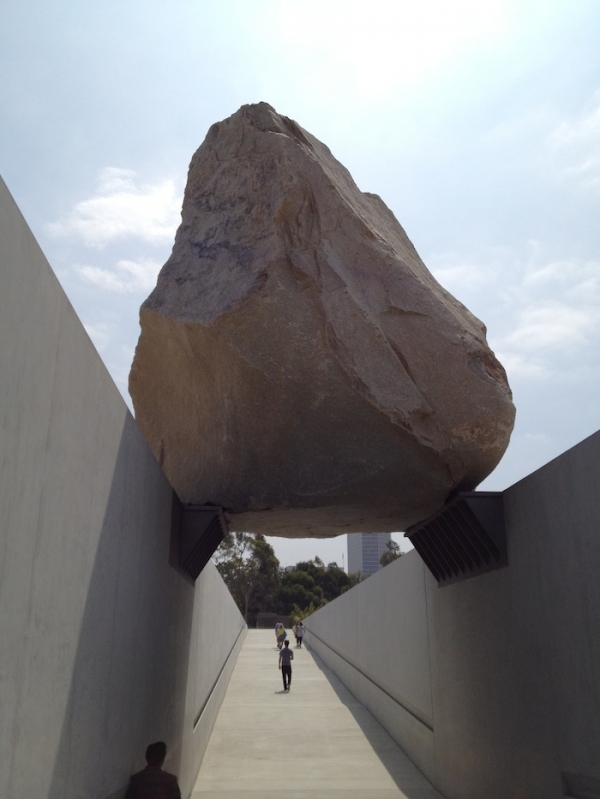
| Posted: Los Angeles is soon to enter the Guinness Book for largest boulder ever transported in modern times. Yes, a 340-ton, 21 1/2-foot-high granite boulder recently travelled to the Los Angeles County Museum of Art at night, on closed roads at less than 10 mph, led by a police escort. The approximately 85-mile journey, normally a one and a half hour drive, took a circuitous route lasting 11 days! A 456-foot-long, ramp-like slot in the ground, 15 feet deep, runs beneath the monolith, which allows people to walk under it. I've been taking pictures of it since the day it arrived. Now that I can finally walk under it, I thought I'd share the photos. Enjoy!   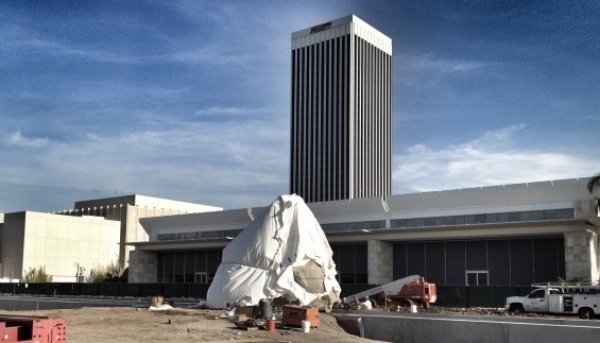 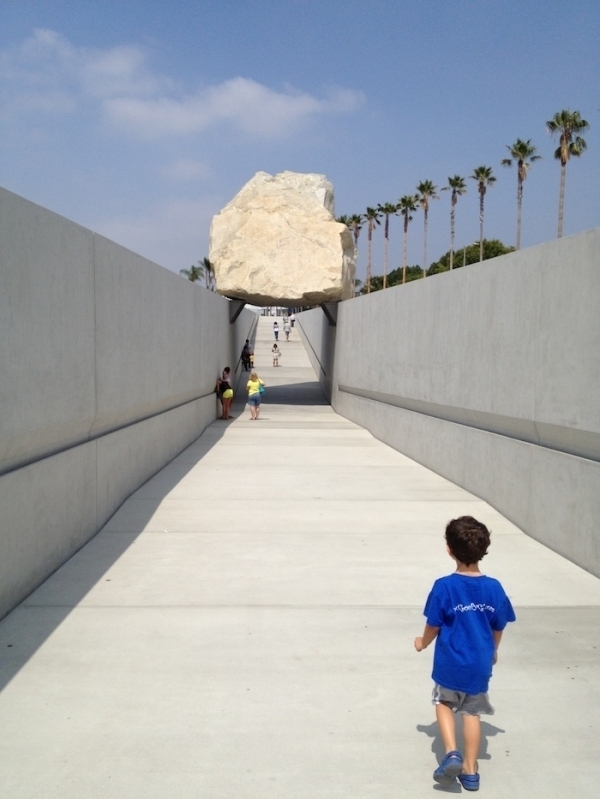 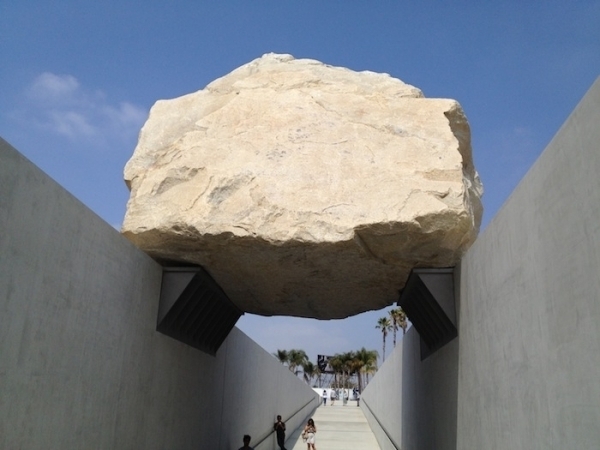 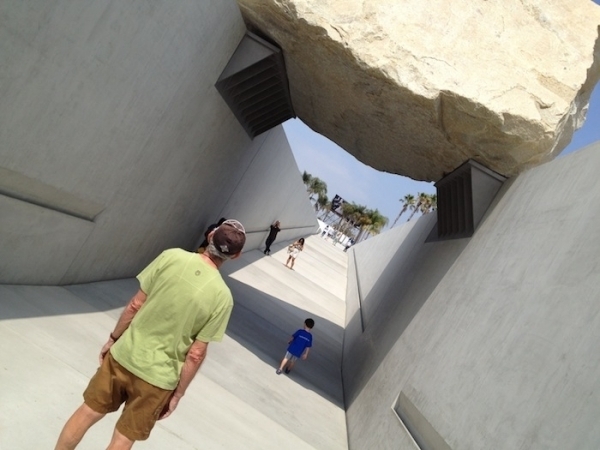 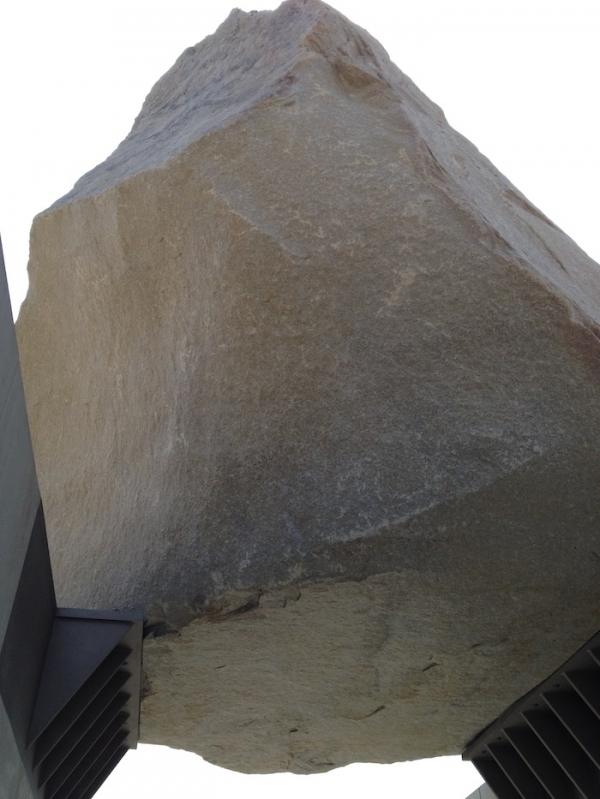 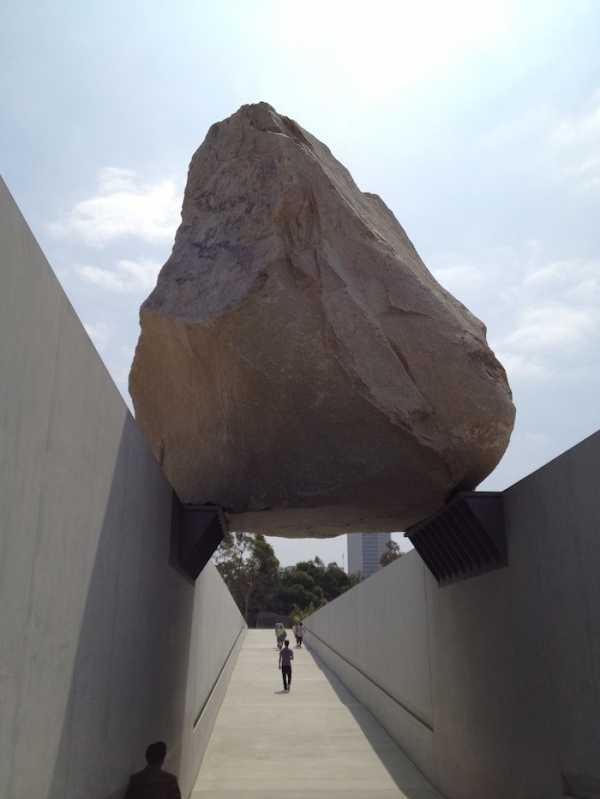 |

 (Image credit: Flickr user

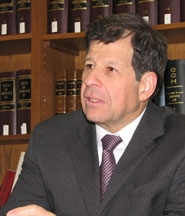 The scale has been used in a variety of ways; online dating questionnaires and women's magazine quizzes are the spiritual heirs of Rubin scales. Mostly, though, they're used by researchers of all stripes to measure the differences in how men and women value their significant others. Women, for example, are more likely than men to consider their partners good friends.
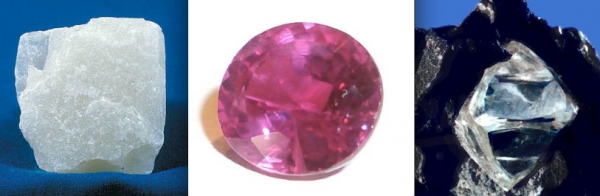

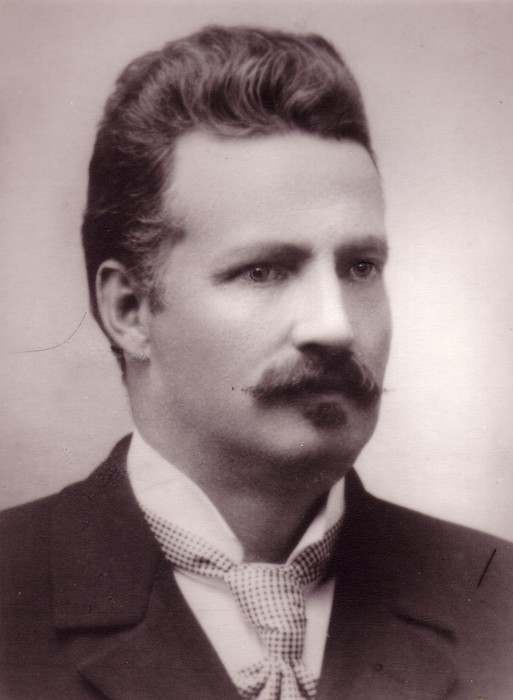 Almost a century after Mohs left his mark on the rock world, Swiss engineer Johan August Brinell decided that a simple scratch-based test wasn't sophisticated enough for metals. So in 1900, he developed a better hardness test by using ...a tiny cannon! No joke- the Brinell Hardness Test evaluates the strength of metals by shooting a 10-millimeter-diameter ball of hardened steel into a hunk of whatever you want to test.
 (Image credit: Wikimedia Commons user


 The above article by Gary Belsky is reprinted with permission from the


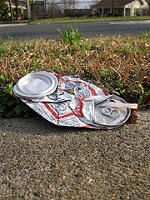 Tyranny, I tell you! A man in Columbia, Tennessee called 911 with a genuine beermergency. But police, rather than helping him, threw him in jail!






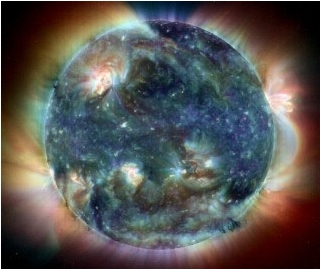 We have seen a couple of solar flares this year that gave us beautiful auroras in areas that don't normally see such lights. But that was nothing compared to the coronal mass ejection known as the Carrington Super Flare in 1859.

 Geeks Are Sexy found this wonderful mail box of a Star Wars fan.







 Oh. My. God. Becky, look at her butt.









| You are subscribed to email updates from Neatorama To stop receiving these emails, you may unsubscribe now. | Email delivery powered by Google |
| Google Inc., 20 West Kinzie, Chicago IL USA 60610 | |


No comments:
Post a Comment
Keep a civil tongue.