

Neatorama |
- Giving A Proper Answer To “Tell Me About a Time You Failed”
- Do Not Use Popcorn Button
- Dürer's Rhinoceros: A 16th-Century Viral Fake
- Rick Astley Gets Rickrolled
- Genome Analysis Points to Incest Among Ireland’s Prehistoric Rulers
- Edible Robot
- This Bear Chills In A Backyard Pool In California
- This Robber Forgot His Keys At The Scene Of The Crime
- Girl Becomes A Cat To Hang With Her Cats
- The Guinness Record For Fastest Mile Blindfolded Has Been Set By This Man
- NASA Photographer of the Year
- Fairy Tale Furniture from Free Range Designs
- Will You Own A Bone?
- Crystallized Old Books
| Giving A Proper Answer To “Tell Me About a Time You Failed” Posted: 18 Jun 2020 01:49 AM PDT
"Tell me about a time you failed," or some variation of this question is considered by many applicants to be the most dreaded interview question. But this question is not asked to make the applicant embarrass himself. Rather, the interviewer asks this question with some hidden questions in mind. And that's the key towards giving a proper answer to this question: knowing what the interviewer is really asking. There are good reasons why your answer to this question can be incredibly telling. So, let's start there. When the interviewer asks this question, what are they really hoping to learn? Generally speaking, this:
Understanding that these are the unasked questions, your job now is to choose the right example and use it to tell the story in a way that delivers on all of the above. Rachel Cooke gives us tips on how to compose a great answer to this question. See them over at QDT. (Image Credit: geralt/ Pixabay)  |
| Posted: 17 Jun 2020 11:55 PM PDT
|
| Dürer's Rhinoceros: A 16th-Century Viral Fake Posted: 17 Jun 2020 11:55 PM PDT
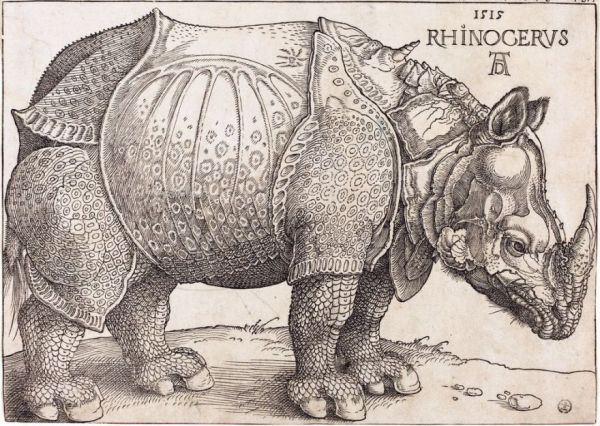
In the year 1515, no one in Europe had seen a rhinoceros since the Roman Empire withdrew a thousand years earlier. Well, maybe except for a few sailors and other world travelers. But that year King Manuel I of Portugal was given a gift of a rhino from a menagerie in India. While the privately-owned beast was seen by relatively few people in Portugal, it was the talk of Europe even before it arrived, and everyone wanted to know what a rhinoceros looked like.
You have to admit it's a fascinating piece of art. Was Dürer trying to be artistic or as representational as he could? Read about the afterlife of Dürer's rhino and the real rhinoceros named Genda that inspired it at Amusing Planet. |
| Posted: 17 Jun 2020 11:54 PM PDT
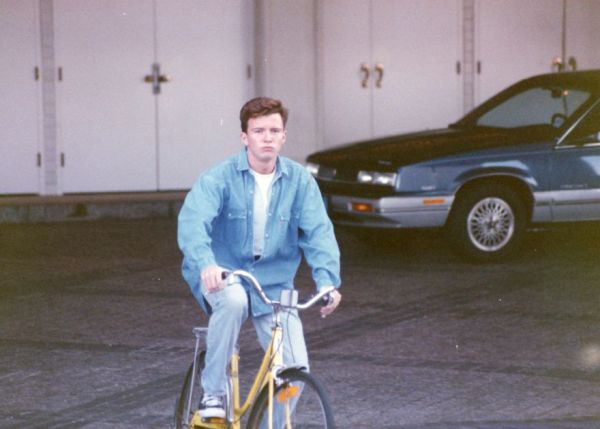
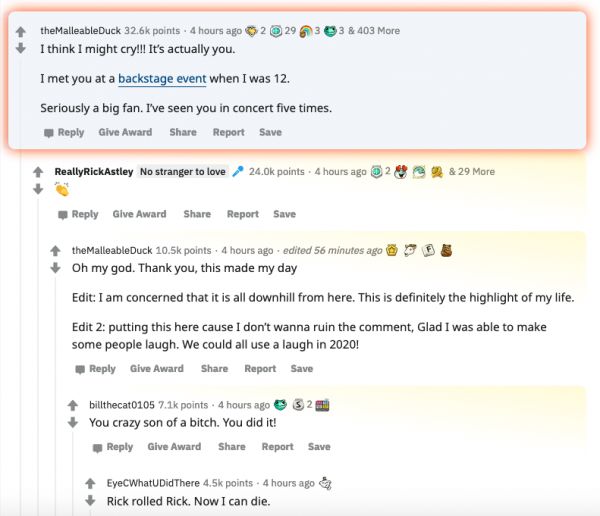
Singer Rick Astley posted a picture from his first tour in 1989 to reddit. Yes, Astley is a redditor, as has been since 2016. This simple picture went straight to the front page, and the comments rolled in. One from theMalleableDuck will touch your heart. |
| Genome Analysis Points to Incest Among Ireland’s Prehistoric Rulers Posted: 17 Jun 2020 11:54 PM PDT
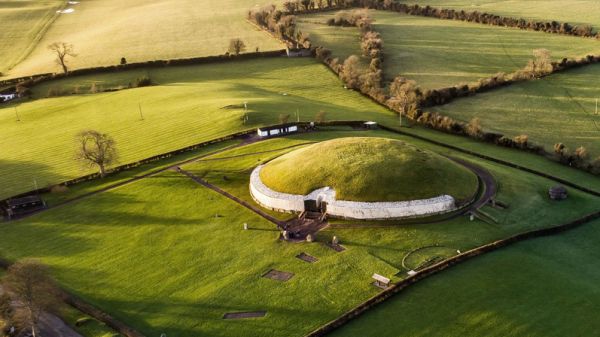
DNA analysis of prehistoric bones tells us an awful lot about what went on before written records. The genetic profiles of people living in Ireland around 5,000 years ago reveal first-degree incest among the area's ruling elite.
Of course, royal families have practiced incest in many places, to avoid sharing wealth or power with other families. The research at Newgrange also reveals an instance of Down's syndrome, clues about the beginnings of agriculture in Ireland, and a possible oral history connection that harks back to those times. Read about the study at Gizmodo. |
| Posted: 17 Jun 2020 08:31 PM PDT
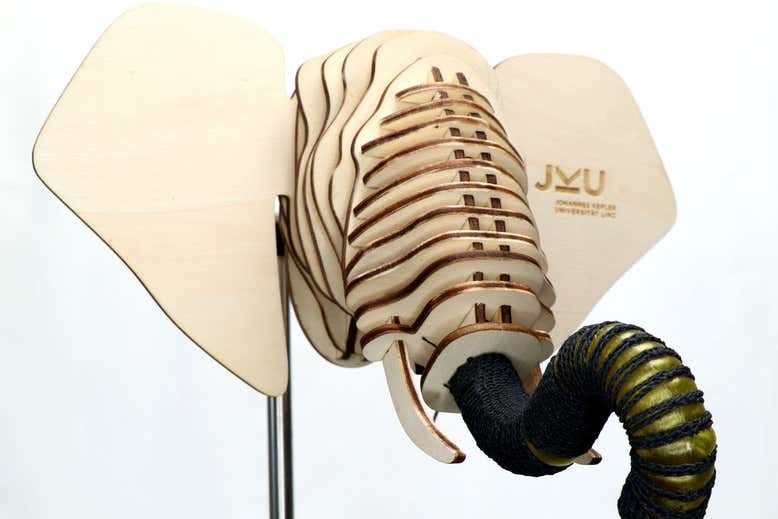
It seems that we aren't running out of new edible inventions, as scientists have built an entire edible robot. Researchers from Johannes Kepler University in Australia built a robotic elephant trunk from an edible and biodegradable gel. The edible robot is a step forward for building child-friendly toys, as Futurism details: The robot is largely made of gelatin. In addition, it contains citric acid to stop bacteria from eating it, and glycerol to keep the whole thing soft and hydrated. The material itself didn't dry out for over a year, and the elephant trunk was able to bend and straighten over 330,000 times before cracking, according to research published Monday in the journal Nature Materials. image via NewScientist |
| This Bear Chills In A Backyard Pool In California Posted: 17 Jun 2020 08:31 PM PDT
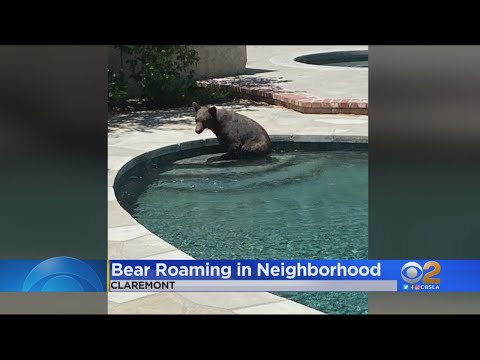
Bears are known to go down into populated areas from the San Gabriel Mountains. This time, a bear went to a residential area to beat the heat. A homeowner in Claremont, California spotted a bear casually taking a dip in their backyard pool. The bear was also seen climbing a wall and rooting through some trash in the neighborhood. |
| This Robber Forgot His Keys At The Scene Of The Crime Posted: 17 Jun 2020 08:31 PM PDT
This robber was arrested when he came back to the house that he robbed for his keys. The suspect had broken into the garage and was able to steal two bicycles, a laptop, and a bar fridge. His "operation" was close to being successful, except he left his apartment keys at the scene of the crime, as Oddee details: The suspect decided he would smash the glass door of his apartment building so that he could get in, but he still couldn't get into his place without the keys. The robber returned to the garage he stole the items from to look for his keys and that's when the homeowner apprehended him. The police reported that the suspect was intoxicated and in breach of two conditions of an undertaking. The 20-year-old Brandon man was arrested for break, enter and theft, two counts of failure to comply with an undertaking, two counts of mischief to property under $5000, and assaulting a police officer. image via wikimedia commons |
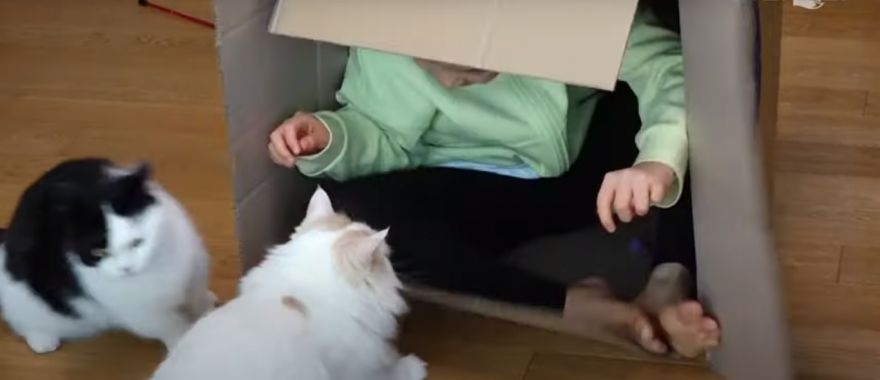
| Girl Becomes A Cat To Hang With Her Cats Posted: 17 Jun 2020 08:31 PM PDT |
| The Guinness Record For Fastest Mile Blindfolded Has Been Set By This Man Posted: 17 Jun 2020 08:31 PM PDT
A 37-year-old man from Hereford, England named Ashley Winter has finally received a certificate from the Guinness World Record which confirmed his mile run last February. With a running time of 10 minutes and 11 seconds, Winter has officially set the Guinness World Record for the fastest mile run while blindfolded. Winter, who has been diagnosed with vision-impairing eye disease keratoconus, raised money for charity Fight for Sight. "I'm delighted that my Guinness World Record attempt had been approved. I want to prove to myself and to others with an eye condition what can be done if you put your mind to it," Winter told the Hereford Times. "By raising money for Fight for Sight I hope to help find the next breakthrough in treating sight loss conditions like keratoconus." Awesome! (Image Credit: Guinness World Records/ UPI) |
| Posted: 17 Jun 2020 08:31 PM PDT
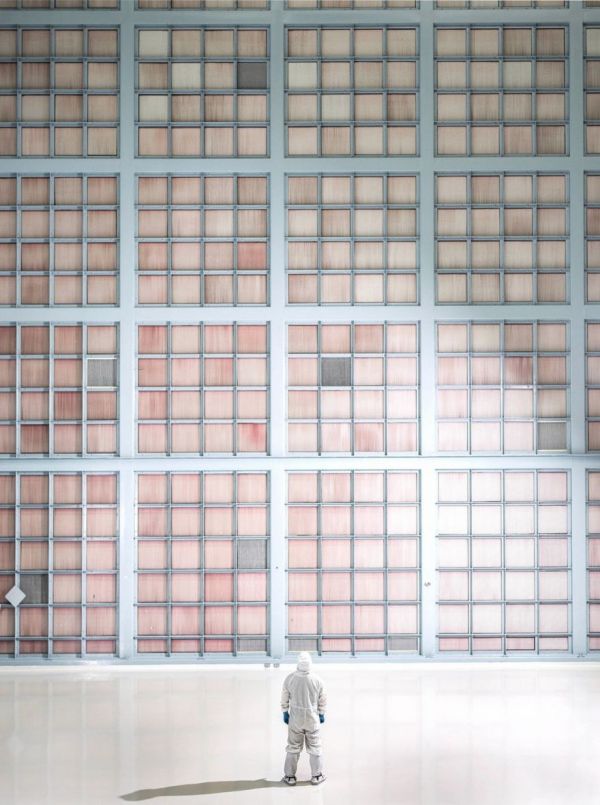
Photographs released by NASA are in the public domain, because they are produced by a federal agency. The dozens of photographers that work for NASA therefore rarely get the credit they deserve for the work they do. That's why Maura White of the Johnson Space Center launched the agency's Photographer of the Year awards, now in its second year. This year, the work of around 70 photographers was judged by a panel of experts in order to acknowledge great work. There is apparently not just one photographer of the year, but winning photos in four categories, plus runners-up. The photo above is the winner in the "Places" category.
Gunn also won in the "Documentation" category. See the winners and runners-up at Air & Space magazine. |
| Fairy Tale Furniture from Free Range Designs Posted: 17 Jun 2020 08:31 PM PDT
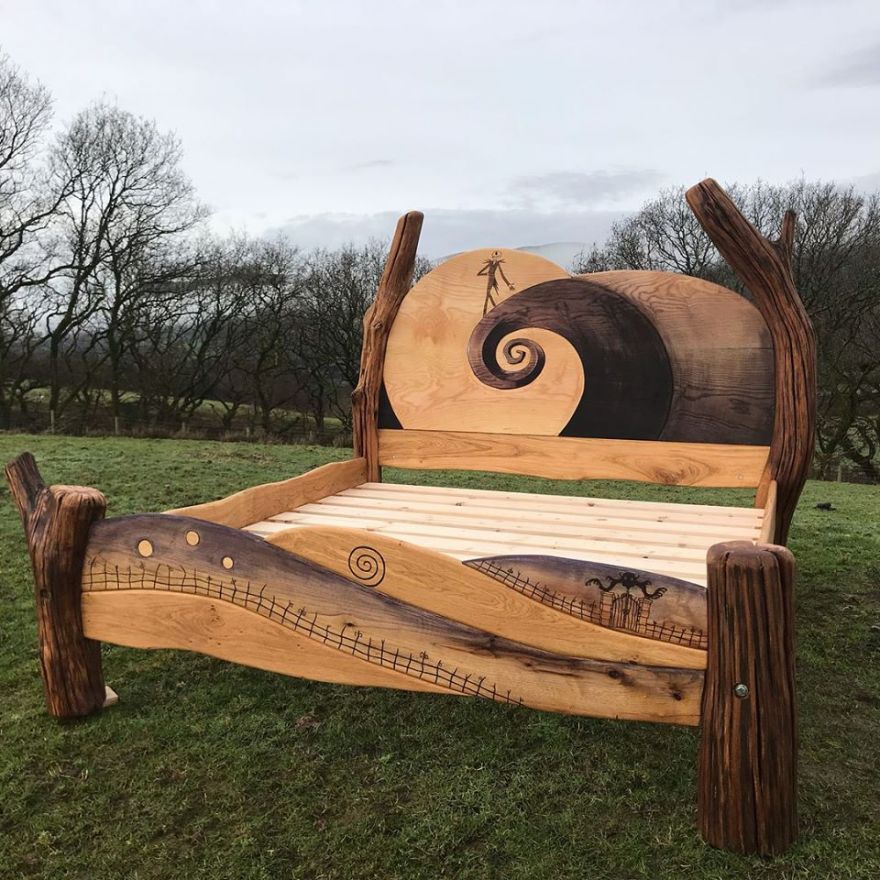
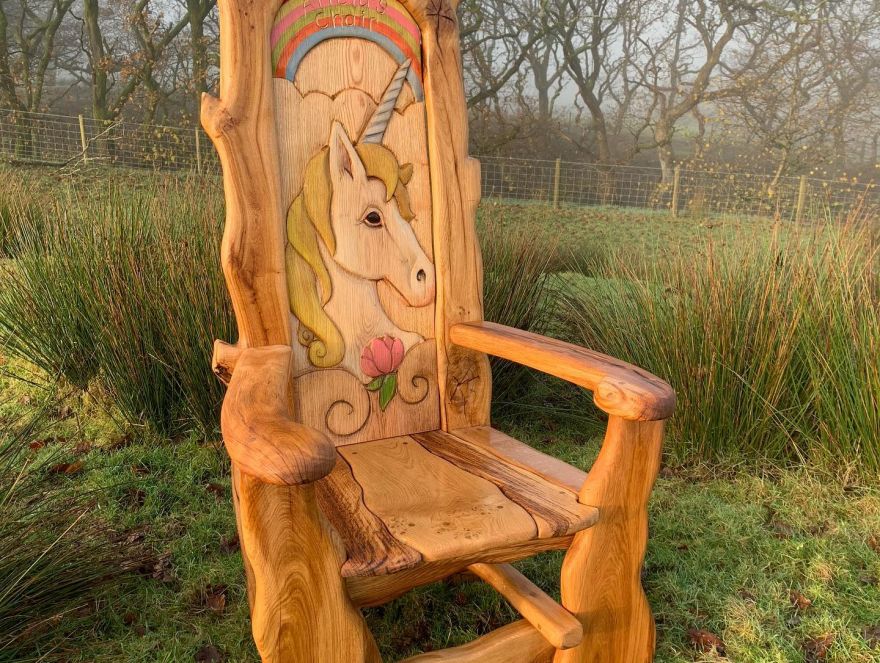
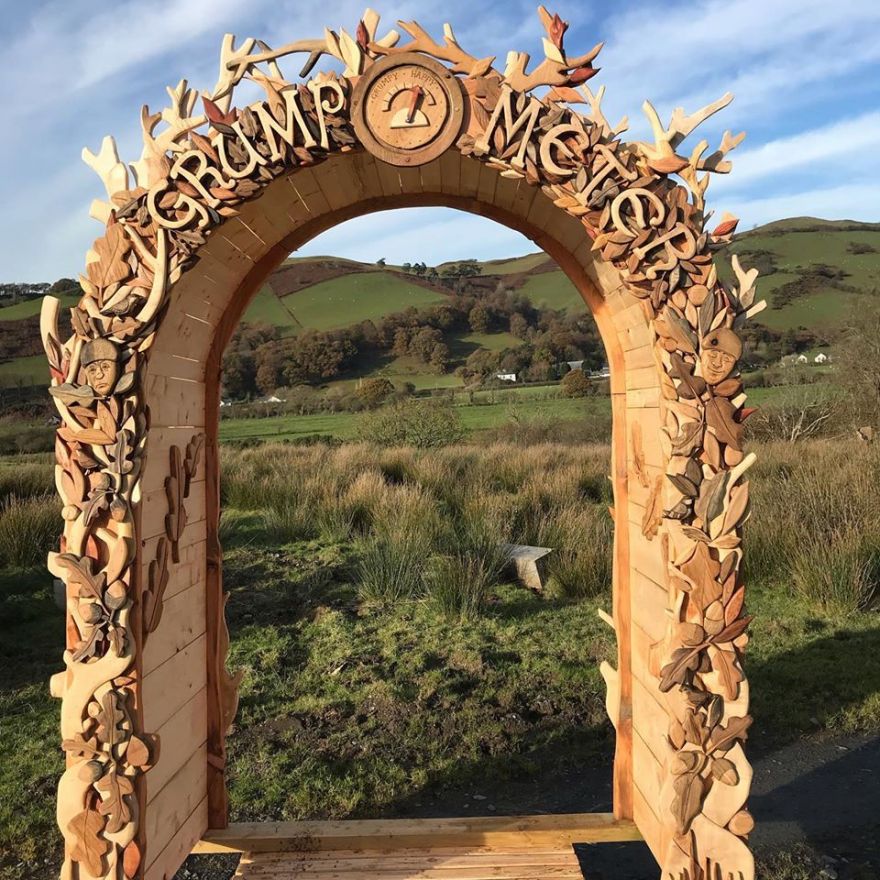
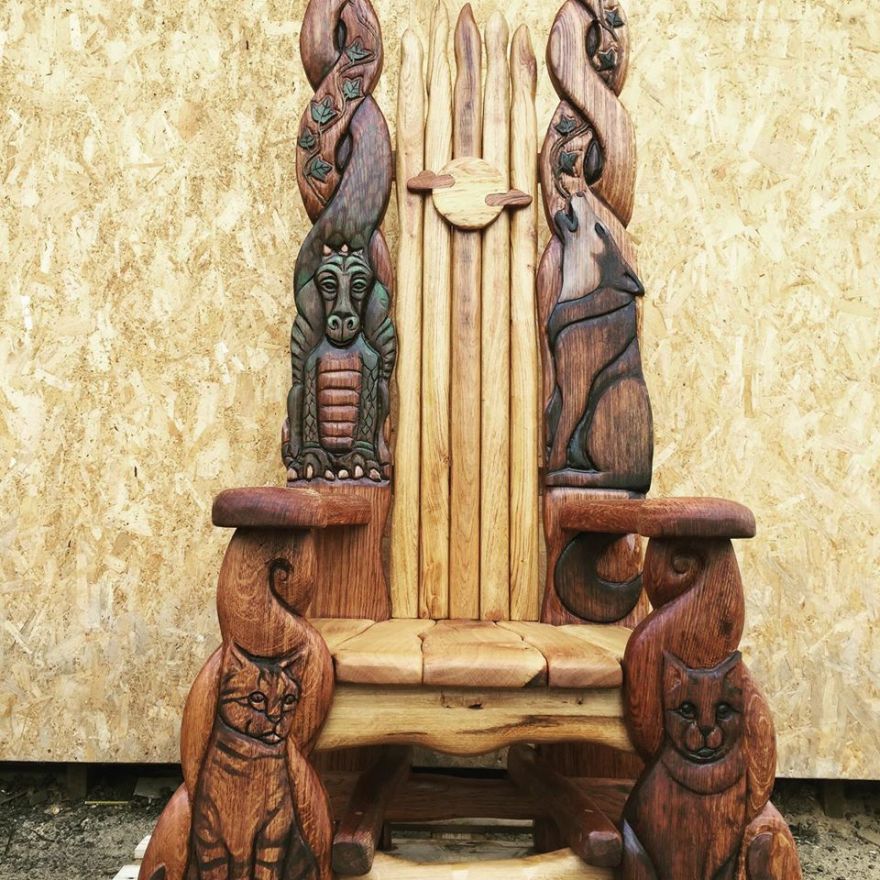
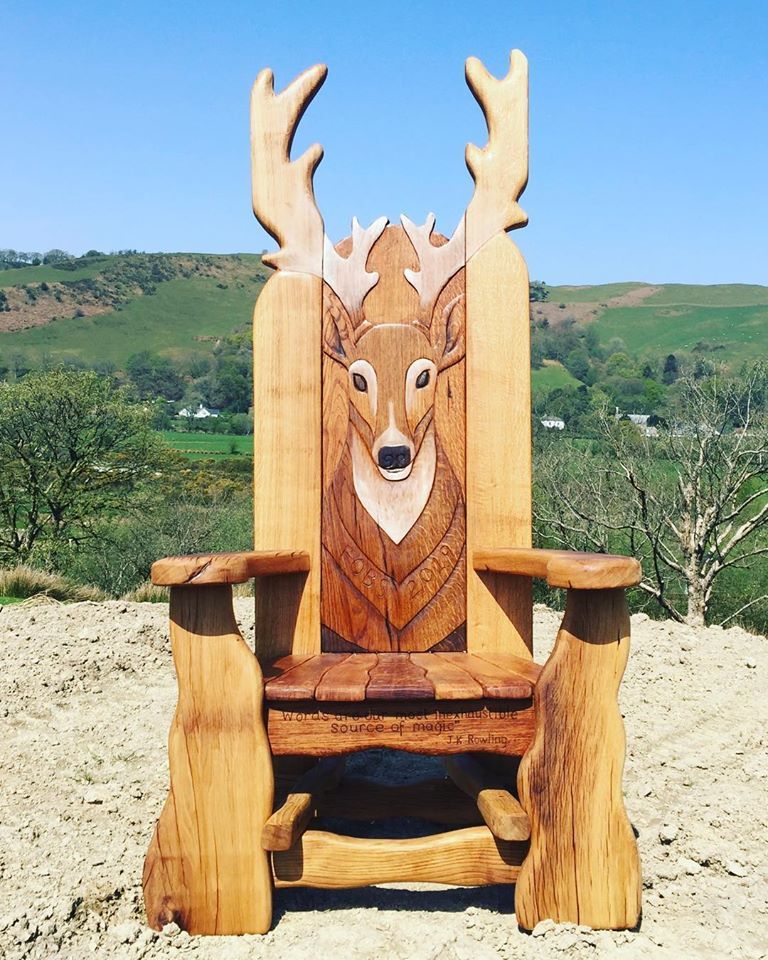
Free Range Designs, a furniture workshop in Wales, makes beds and storytelling chairs inspired by fairy tale images and fantasy art. But what caught the attention of the internet was this marvelous bed with images from the film The Nightmare Before Christmas. Like the company's other products, this bed is made of reclaimed wood using environmentally friendly methods.
-via Born in Space |
| Posted: 17 Jun 2020 01:06 PM PDT
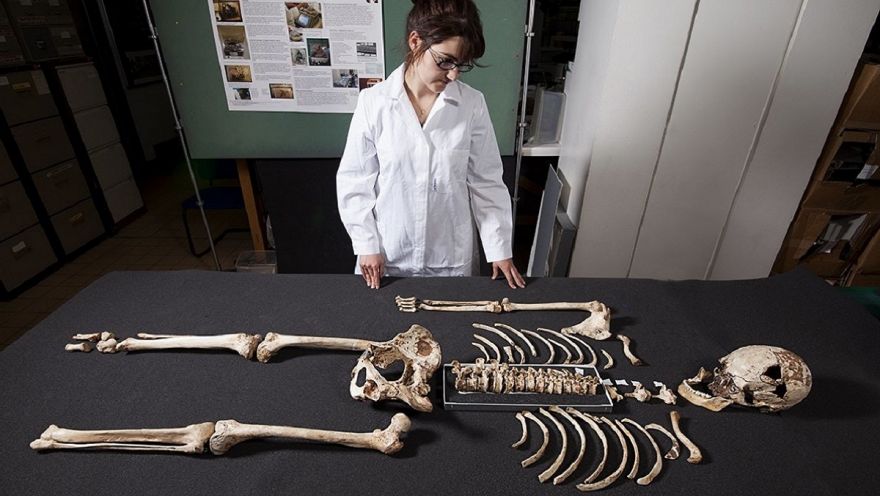
If you're digging a hole in your backyard and you somehow found something -- say, clothing, book, accessory, or any item -- what will you do with it? Will you keep it, auction it, or donate to a museum? Whatever the case is, it's different if what you find are human bones: Humans and human remains have a special status in most nations' legal systems. While animals can be owned, humans can't. Compounding this, the definition of "human" is itself contested, and this muddies the legal waters when it comes to discovering archaeological human remains. For instance, recent DNA discoveries of interbreeding between Homo sapiens, Homo neanderthalensis and Denisovans – as well as the fact that Homo naledi and Homo floresensis existed at the same time as modern humans – indicates scientists struggle to reach a consensus on where the boundaries of "human" lie. The definition of "human" can also be culturally ascribed. Many indigenous peoples including communities from Australasia and Africa recognise an ancestral connection to species not always classified as Homo sapiens. Whatever the meaning of human is, should human bones be owned by another person? If possible, would you own one? Read more at Cosmos. Credit: London Natural History Museum/EPA |
| Posted: 17 Jun 2020 06:48 AM PDT
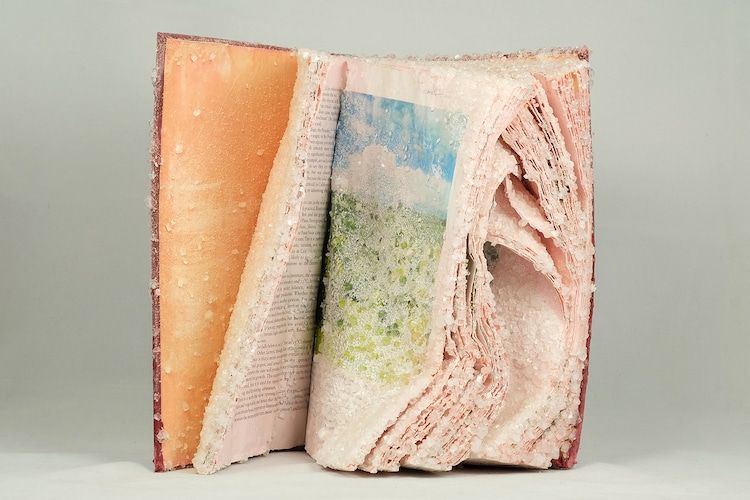
Alexis Arnold transforms printed media into crystallized sculptures. The San Francisco-based artist warps the pages and covers of books with water, and then applies a solution to grow crystals all over the book. The solution freezes the printed media, making it nonfunctional, as My Modern Met details: "The crystals remove the text and solidify the books into geological sculptures," she continues. Arnold has manipulated famous books such as To Kill a Mockingbird, Moby Dick, and The Three Musketeers, as well as reference texts like the Smithsonian Nature Guide: Rocks and Minerals. Each book's unique characteristics—cover, page number, illustrations—are emphasized when it is congealed by the borax solution. Some sculptures appear more colorful and flamboyant, others are unwieldy with stacks of hardened pages. "Books hold a great significance as objects, stories, teachings, memories, and more, so they were ripe for investigation with the process of crystal growth I'd been exploring on different objects," Arnold says. She was prompted to begin the series in 2011, during the surge of e-books. During this time, the artist came across dozens of abandoned paperbacks and hardcovers and used them as experiments for the effects of crystal growth. Arnold realized that the process transformed books—which are valuable in their reusability—into purely decorative, aesthetic artifacts. Instead of illuminating text and great stories, these geological sculptures contain a "history of time, use, and memories." Arnold's series equalizes renowned titles and defunct phone books as inoperative, beautiful objects. image via My Modern Met |

| You are subscribed to email updates from Neatorama. To stop receiving these emails, you may unsubscribe now. | Email delivery powered by Google |
| Google, 1600 Amphitheatre Parkway, Mountain View, CA 94043, United States | |


No comments:
Post a Comment
Keep a civil tongue.