The alert has renewed concerns about India's ability to cope with extreme weather, along with fears for its food and energy supplies, writes The Independent's Stuti Mishra in New Delhi.
India already experiences some of the most extreme heat on Earth and researchers warn it could be among the first places to have unsurvivable temperatures. In 2023 there is also the possibility of an El Nino phenomenon, which would push global temperatures even higher.
The authoritative United Nations' Intergovernmental Panel on Climate Change (IPCC) says that heatwaves will happen more often and with greater severity in India in the coming years.
"Hot weather is here to stay and we should start considering it as a new normal," says Mahesh Palawat, a meteorologist for private weather agency Skymet. "It has been noticed that rains have declined during March in the last many years. Climate models are indicating similar conditions this year too."
The climate crisis has made heatwaves 30 times more likely in India and Pakistan, according to a 2022 study by the World Weather Attribution group, and severe impacts are likely to continue.
The 2022 heatwave led to a drop in wheat production and the Indian government banned exports, further denting the global food supply which was suffering from the war in Ukraine.
India only grows one wheat crop a year, with planting in October and harvest from March, so extreme heat this month could mean more losses, experts say. The Indian government is considering extending the ban on wheat exports as it seeks to replenish state reserves and bring down domestic prices. But as the world's second-largest wheat producer, any challenges India faces is likely to impact the price of food globally.
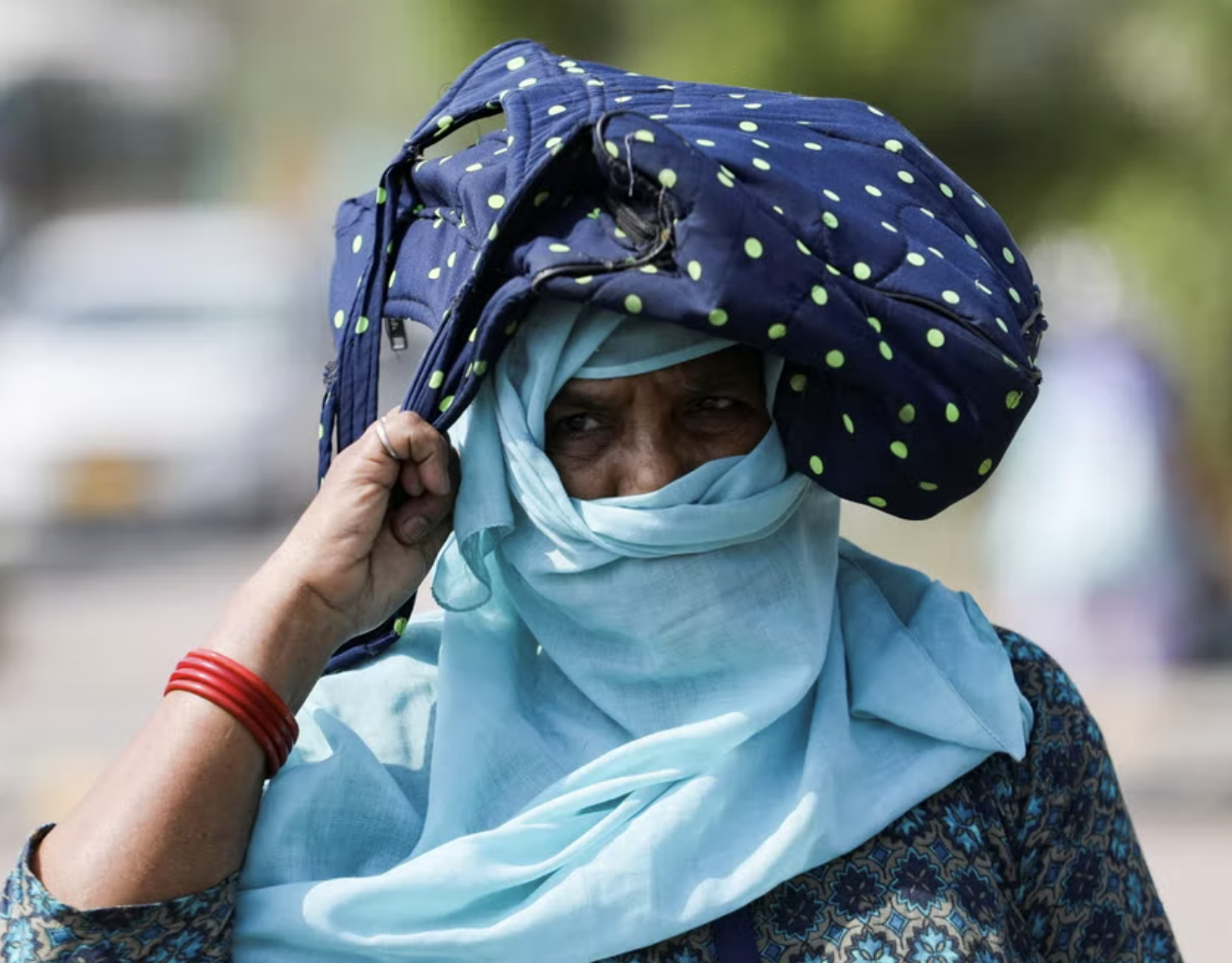
Heatwaves not only have devastating impacts on agriculture but on human health, water supply, energy sources and the natural world.
Half of India works outdoors with little opportunity for shelter. Last year, the Indian government issued warnings about extreme temperatures in some places but experts say that most states lack substantive heat action plans (HAPs).
"India is already working with 23 heatwave prone states to develop and implement HAPs across the country. However, we need to focus more on the groundwork, wherein this protection could also reach to those who do not have access to cooling measures," says Kartigi Negi of consultancy firm, Climate Trends Delhi.
Read the full article here















No comments:
Post a Comment
Keep a civil tongue.