Sergei Eisenstein: The man, the method, the montage
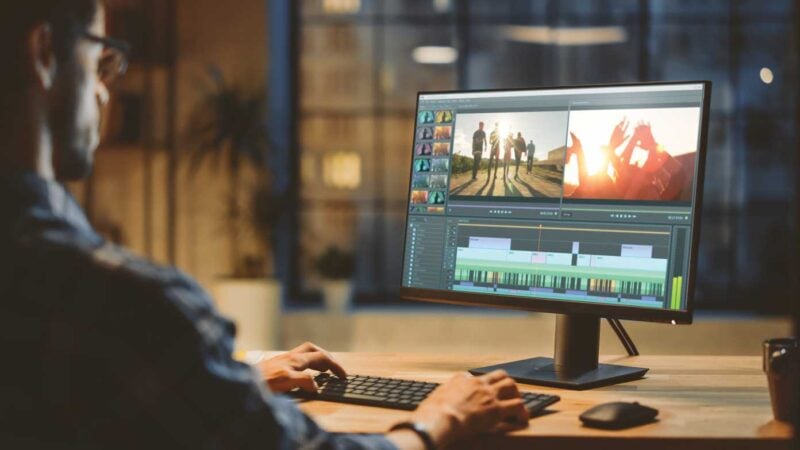
When looking at some of the most notable figures in the history of editing, such as Sergei Eisenstein, it is important to understand that the theoretical approaches to editing are just as important as the practical. When looking at the theoretical approach to editing, one is encouraged to create meaning and understanding behind shot sequences that create a scene, tone and story.
In post-production, there are often a lot of assumptions about editing. Questions such as "can't you edit that together, quickly?" or "isn't editing the easy part?" place editors in a unique position to informally educate and promote their artistic abilities.
All in all, editors are like architects. They must map out, construct, tear down, reassemble and create works of art. It is a craft, much like any position within the media industry. The technique and theoretical framework behind editing yields a compendium of definitions, abstract concepts and methods that blend seamlessly — and in some cases, not so — into a narrative and promote forms of storytelling that are still being practiced today.
Creator Handbook: How these six big brands use YouTube successfully
A company's brand is their one-of-a-kind story that helps build customer loyalty. Through the use of YouTube, big brands and companies like Nike, Vogue and LEGO have mastered the skill of storytelling. They realize that having a story to tell brings their company to life. There's an important lesson to be had here: YouTube can be an asset for your company to help your audience visualize your brand.
What is shutter angle and why is it important?
As a filmmaking term, shutter angle references the basic function of film-based motion picture cameras. In order to explain what a shutter angle is, we must first discuss the mechanics of the film-based camera system. Traditional film cameras create images using photographic emulsion as a recording medium, and this requires a shutter mechanism to control exposure time. There is a basic correlation between frame rate and the rotation speed of a camera's mirror shutter. It is important to note that much of the way a contemporary digital cinema camera operates comes from the rudimentary function of film cameras and their film transport systems.




.jpg?width=320&upscale=true&name=videoShoot-Multicam-Interviews-with-only-ONE-Camera-(Sony-FX30).jpg)


No comments:
Post a Comment
Keep a civil tongue.