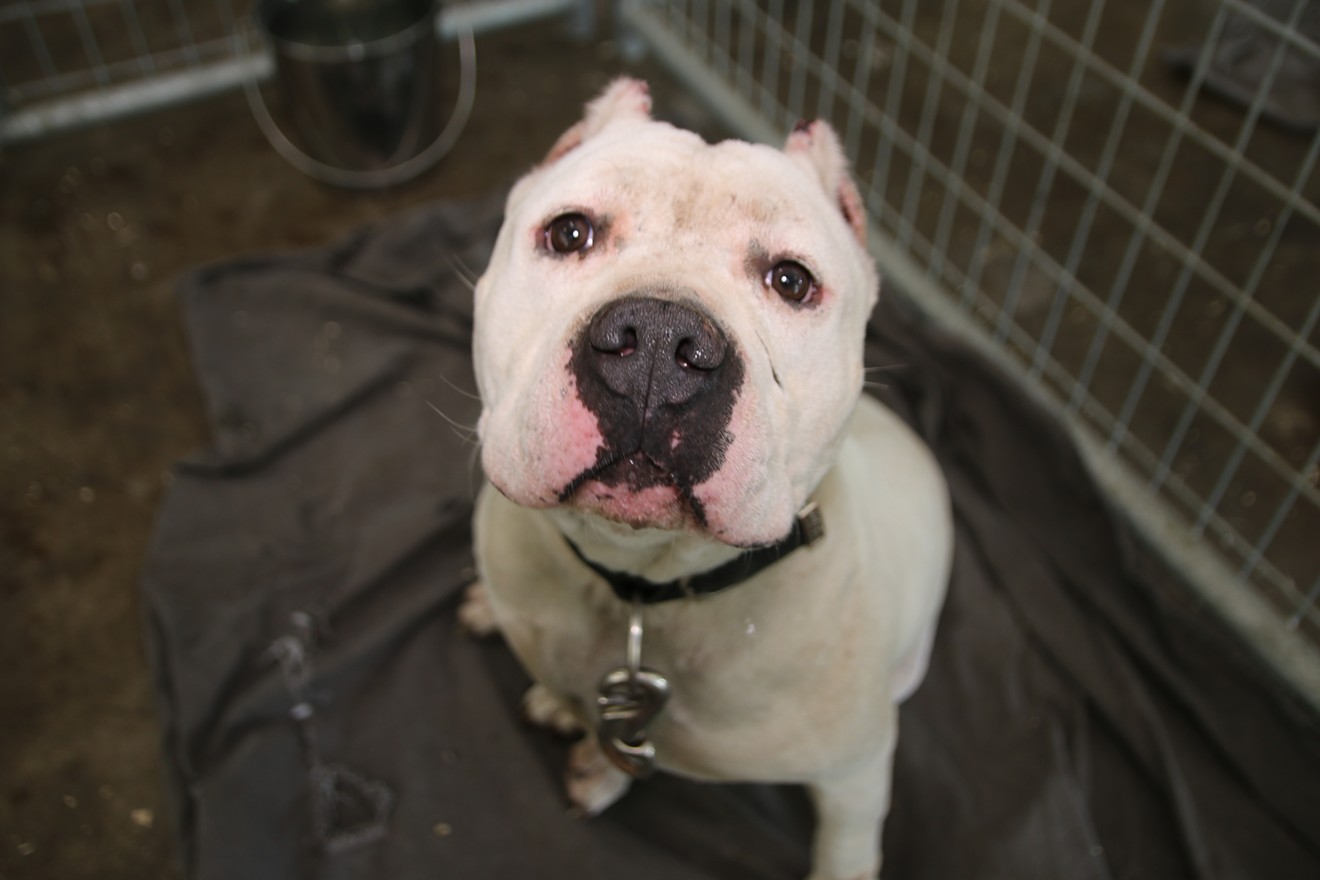
Back in early October, the shelter had just over 500 large dogs and only 300 kennels to put them in. It was a tight squeeze and the shelter needed help lightening the load. They put out a call asking anyone who could to come and foster or adopt a pet. That's how we heard about the story. I initially didn't think I'd be able to get a hold of anyone with the shelter in time for my deadline, but I ended up getting to talk with two people there: Sarah Sheek, the assistant general manager over community engagement, and Mary Martin the assistant director. What they told me was fascinating.
They told me about the effects of an overcrowded shelter, but they also tried to explain to me why there was an overcrowding issue with large dogs. First off, it's generally just harder to find people to adopt large pets, they said. But, they also said things like evictions can be a factor. Sheek told me that many pets they have come into the shelter are from owners who are going through an eviction. I hadn't thought before that housing insecurity could translate into overcrowded animal shelters. Another problem is that the problem is widespread. Before, the Dallas animal shelter was able to send dogs to other facilities when it got overcrowded. However, now other facilities are facing the same issue, compounding the whole problem. There's no quick fix for the shelter's woes. It takes the community pitching in and adopting or fostering pets to make things easier on the shelter and the animals there.
This was one of my highlights from the last year partly because Martin later reached out to thank me for the article, saying it was really thoughtful and well done.
Just like we couldn't do what we do without our readers, we also can't do what we do if people aren't willing to talk to us. I really appreciate Marin and Sheek taking the time to explain the issues to me so I could write a story about them.





No comments:
Post a Comment
Keep a civil tongue.