Why Repos Matter More Than Powell’s Pressers
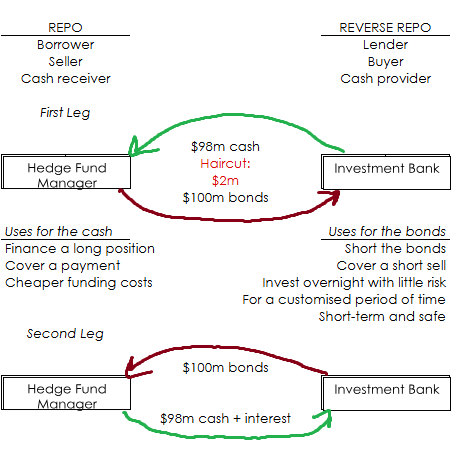
The repo market is basically the cardiology wing of finance. For liquidity, repos are how trillions move smoothly each night. Repo rates anchor the entire short-term interest rate complex. If repo rates spike, everyone screams, vomits, and sells everything not nailed down.
Whenever you hear “funding stress,” “liquidity squeeze,” or “conditions tightening”… that’s repo-speak for: “We’re running low on financial oxygen.”
That brings us to the recent chaos.
The Shutdown That Froze the Plumbing
Now, normally, we treat government shutdowns like meteorologists treat “storm of the century” headlines — all noise, little consequence.
But this one actually mattered. Because when Uncle Sam shuts down, several ugly things happen:
First, the Treasury General Account (TGA) drains. Treasury can’t issue debt, so it starts spending down its checking account at the Fed. That drains liquidity out of the banking system.
That leads to the repo collateral supply shrinking. Fewer new Treasury bills means less collateral to lend. Less collateral means higher repo rates. And higher repo rates mean hedge fund leverage shrinks like George Costanza’s tallywacker in cold water.
Finally, volatility explodes. When funding costs spike, leveraged players tend to unwind their positions. That unwinding means forced selling in every asset under the sun.
According to Zero Hedge, JPMorgan’s macro futures & options desk confirmed what anyone with a Bloomberg already knew:
Repo stress was a major reason equities lost their momentum.
Everyone was suddenly short liquidity. When the oxygen tank runs empty, even a marathon runner can collapse.
The Reopening: Why It Matters More Than Any Speech From Powell
Last week’s government reopening wasn’t just lawmakers returning to the cafeteria buffet. It was the moment the Treasury turned the money hose back on.
And that changes everything.
According to JPMorgan, the end of the shutdown means repo markets are about to normalize, and that could trigger the next leg higher in stocks.
1. Treasury Issuance Returns!
You can almost hear the singing of Hallelujah breaking out on Wall Street (Mandel’s uplifting chorus, not Leonard Cohen’s mournful song, in this case).
When Treasury starts selling bonds again, new collateral floods the system, repo desks breathe again, dealers can lever up, hedge funds stop selling, and systematic funds stop panicking.
In short, the financial pipes get unclogged.
More Treasuries in circulation means more repo supply, which in turn means lower repo rates, resulting in more leverage available, and ultimately, higher equity prices.
It’s a beautiful, corrupt, circular, self-referential miracle.
2. The TGA Gets Refilled — and That’s Actually Good News
Now, the Treasury rebuilding its checking account does drain some liquidity from banks. But because it comes with a wave of new bond supply, the repo market suddenly has what it desperately lacked: collateral.
Everyone who de-risked because repo markets were freezing? They’re now looking at their screens thinking, “Ah, hell, now I need to get back in.”
3. A Liquidity Wave That Could Fuel a Rally
Here’s the key point JPMorgan makes — and Zero Hedge amplified:
Repo normalization creates a wave of liquidity that investors will ride straight into risk assets.
Investors who were forced to trim exposure can now re-lever. Systematic funds follow volatility lower, and volatility is finally falling. Short sellers begin covering. Dip-buyers get ballsy again. And dealers hedge flows in ways that reinforce momentum higher.
This is how rallies start.
Not from earnings. Not from geopolitics. Not from Powell’s “I’m cautiously optimistic but deeply concerned” tap-dance.
From plumbing.
Repos: The Financial System’s Hidden God
Let’s zoom out, because this stuff isn’t just about one shutdown.
The repo market is the quiet deity behind modern finance. It’s how the Fed injects and withdraws liquidity, where crises typically emerge first (2008, 2019, 2020), that determines how leveraged the system can become and dictates how smoothly markets flow.
If you want to know where the market’s going, watch repos. If repo rates fall, stocks tend to rise. If repo rates spike, grab your bug-out bag.
Of Course, There Are Risks! It’s Washington, after all.
Here are three big ones:
First, there could be another shutdown. Who knows? Congress could screw this up again. They always do. And if they do, repo stress returns instantly.
Second, if the Treasury rebuilds its account too quickly, it sucks liquidity out of banks. I doubt this will happen, though.
Third, the Fed thinks it “manages” liquidity. Market participants are aware that the Fed typically responds to liquidity crises after the fact. If Powell gets cute with his operations, repo markets will let him know quickly — and violently.
Wrap Up
The government reopening wasn’t just political theater. It was the moment the repo market inhaled deeply for the first time in weeks.
That matters because when the repo market normalizes, liquidity returns, increasing leverage, which drives equities higher.
I’m not bullish because Washington got its act together. Spare me.
I’m bullish because the people who actually run the financial system — the repo desks — suddenly can work again.
If that continues, expect the S&P to stop sulking and start marching higher, along with other risk assets, like our mining stocks.
The heart of the system is beating again.
And when the heart pumps healthily, asset prices tend to rise.
All the best,







No comments:
Post a Comment
Keep a civil tongue.