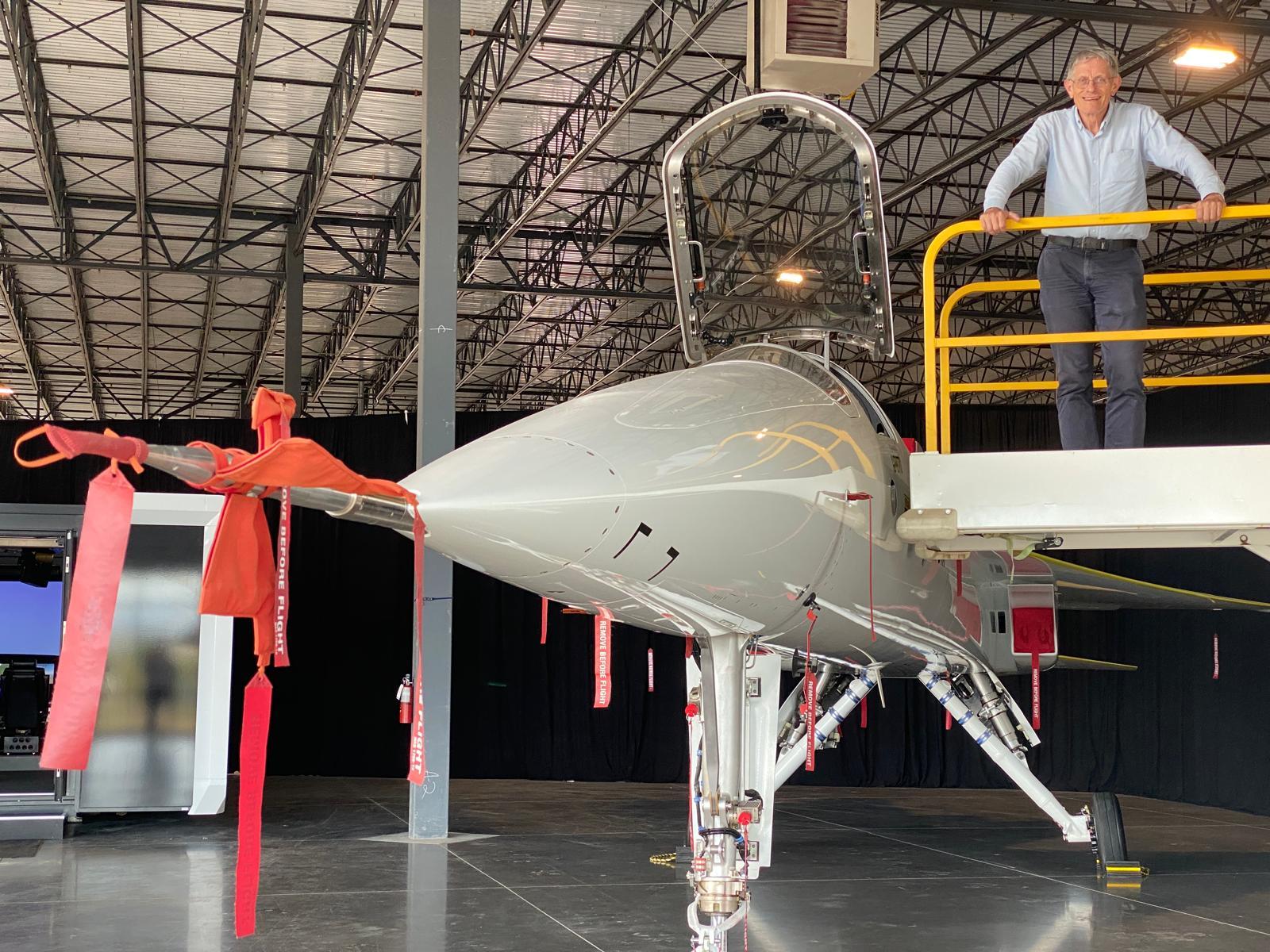
"When you fly supersonic, you fly higher: up to 60,000 feet, almost twice the altitude of today's airplanes. That means when you look out the window – and we're going to have some big, beautiful windows – the sky will be a deeper blue. You'll also be able to see the curvature of the Earth." So says Blake Scholl, founder and CEO of Boom Supersonic – the company seeking to bring back flight at 1.7 times the speed of sound as early as the end of the decade. The iconic aircraft first flew fare-paying passengers half-a-century ago. The maiden flight of a British Airways Concorde took off on 21 January 1976 from London Heathrow to Bahrain – a random destination selected because the US would not initially allow the supersonic jet, citing the appalling din. Anyone who was within earshot of Concorde's take-offs and landings will know that windows rattled and conversation was impossible due to the two military-grade engines bolted on to each wing. Blake says his aircraft will be much quieter – and the sonic boom from Boom Supersonic will be deflected away from land. When I met Blake School at Boom HQ in Denver, he was messianic about the quest for speed. "Raise your expectations. Flight should be the most inspiring human experience – we soar above the Earth, seeing its beauty and our creations below. Yet somehow we've turned that miracle into an experience most people dread. Don't accept that. Demand better, faster, more comfortable, more human travel." Anna Hughes, director of Flight Free UK, is unconvinced. "Concorde itself was very beautiful. In the 1960s and 70s, developing something like Concorde was incredibly exciting and impressive. But now we're 50 years on: maybe we can leave it in the past. The world has changed, and we're now aware of what that type of travel does. Flying is extremely energy-intensive; supersonic flight even more so. Fundamentally, what we need to do is fly less." Your questions answered: What travellers need to know for 2026 holidays Departure 2050? New Birmingham-Manchester railway may start in 24 years
US loss, Latin gain: Sun-starved Canadians shift to Mexico and Costa Rica Art hike: Admission for British visitors to Louvre in Paris rises by 43% |
|
|
Fast forward: Boom XB-1 supersonic demonstrator at the company's Denver HQ |
|
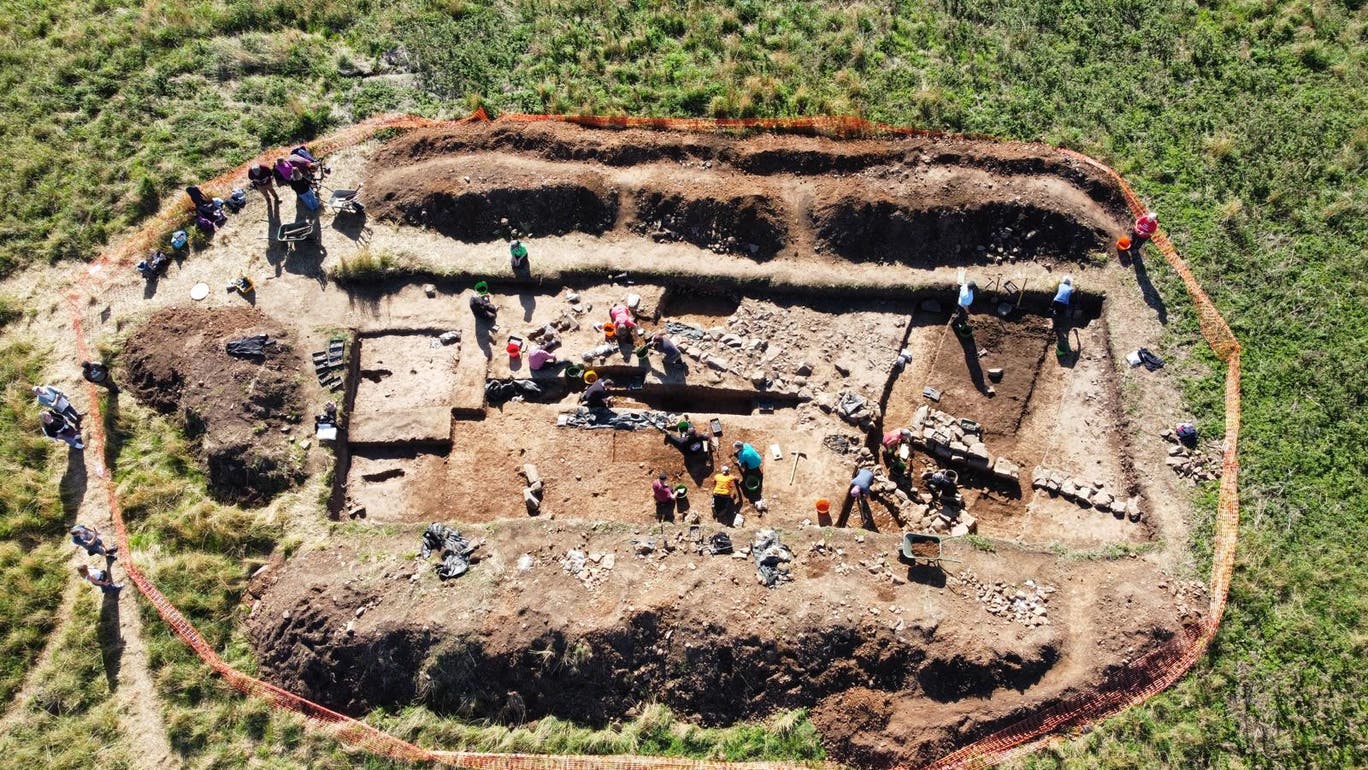
| | Budding archaeologists are hands-on at digs in Britain – with surprising benefits to unearthing the past. Read more. |
|
|
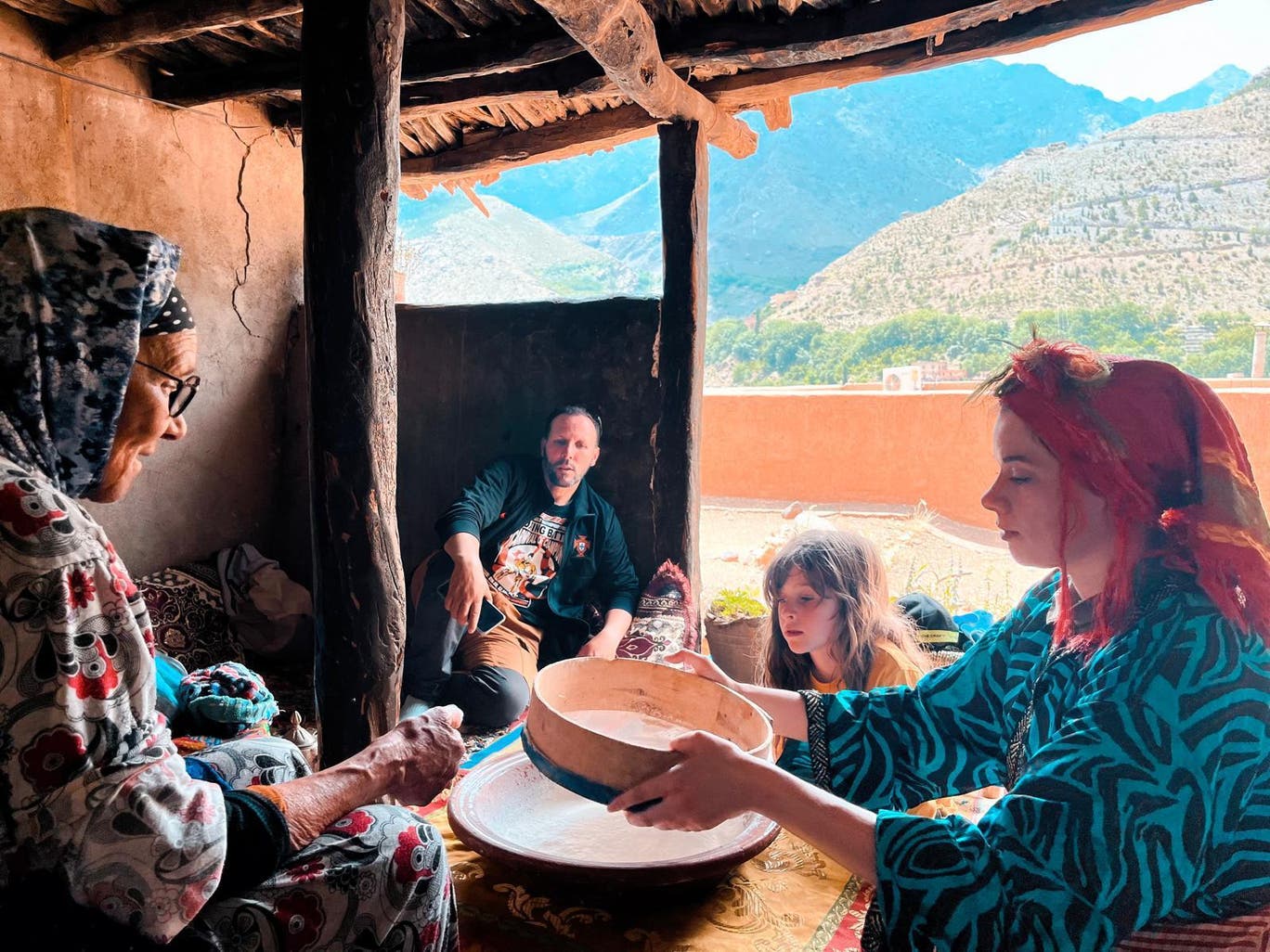
| Ruby Deevoy supplements her child's education through travel from Japan to Montenegro. Read more. | | |
| The unofficial LGBT+ capital of the UK has plenty of inclusive stays on its spectacular seafront. Read more. |
|
|
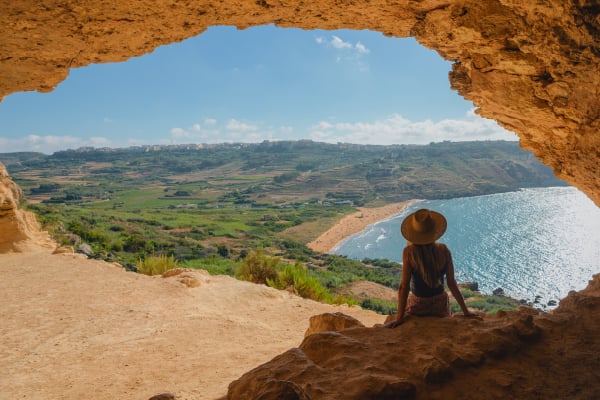
| Naturally Gozo. Live in the moment. |
Learn through travel, discover hidden stories, and experience Gozo at its most authentic. Learn more |
|
|
| Best carry-on luggage for 2026, tested by a travel writer | |
|
Don't forget to complete your registration |
You haven't completed your registration with The Independent. It's free, quick, and helps support our journalism while tailoring your experience.
Register now to enjoy benefits including access to limited Premium articles, The Independent app, more than 20 newsletters and commenting on independent.co.uk.
Complete your registration today to unlock access.
|
|
|
Essential listening: Independent travel podcasts |
|
|
The only time I flew on Concorde, the experience came with a lot of baggage. Literally. In the 1980s, the supersonic jet was in its heyday, shuttling CEOs and celebrities across the Atlantic at twice the speed of sound. As the bankers and rock stars sipped champagne and smoked cigars, they may have noticed one passenger who, like his borrowed jacket and tie, did not fit in with the superjetset: the courier. With satellite communications and parcel handling in their infancy, sending time-sensitive documents across the Atlantic supersonically made sense. Every evening, about 10 mailbags of important stuff were loaded aboard the slender jet from London Heathrow to New York JFK. But they could only be carried as personal baggage. Securicor, the delivery firm involved, sold the opportunity to be the passenger notionally responsible for the precious cargo at £150 for a one-way transatlantic flight. One January night 40 years ago, it was my turn. I did my best to comply with the stipulated dress code and stood around for an hour or two at Terminal 3 while the mailbags and their contents were checked in under my name. At the last moment, a bag of urgent news film was thrust into my arms, along with strict instructions not to allow the security staff to interfere with it. Concorde, with her sensuous delta curves, looked rather more magnificent from the outside than she did from the cramped interior. To take passengers' minds off the fact that there was rather less personal space than a first-generation Mini, we were lavished with endless champagne and grand cru wines while enjoying an elaborate meal. No sooner were the trays cleared away than the purser appeared with a selection of cigars. Soon the cabin atmosphere was about as murky as the exhausts of Concorde's four Olympus engines. A visit to the flight deck confirmed that I was aboard a transportational miracle. We were chasing the sun – and as we made landfall, it began to rise in the west. My Concorde trip, like the career of the supersonic jet, was rather too short and ended ignominiously. While fellow passengers headed for their waiting limousines at Kennedy airport, I waited for the luggage tags attached to my ticket to be reconciled with the mailbags then caught the "loser cruiser" (as buses are disparagingly known by some Americans) to the subway station. Concorde, which first carried paying passengers 50 years ago this week, was a loser. A fatally flawed time machine for a different era, she was grounded in 2003. But no passenger aircraft has looked so beautiful, nor flown so fast. Timeline: Concorde from conception to conclusion |
|
|
Would you pay £4,000 for supersonic air travel? |
|
|
This month is the 50th anniversary of the first passenger flight of Concorde. All this week, I have been looking at the future of travel faster than the speed of sound in my daily travel podcast. Boom Supersonic hopes to be selling tickets for a 3h30m trip from London to New York by the end of the decade for £4,000 return. Are you tempted? Vote using the buttons above. Readers were clear-cut in their response to last week's poll, with 75 per cent voting against smoking or vaping zones at airports, arguing that nicotine users should be no exception to smoke-free terminals. |
|
|
California Highway 1 opens in full again |
California's State Route 1 – which clings to the Pacific coast for much of the way between Los Angeles and San Francisco – reopened in full this week. Landslides had closed 90 miles of the iconic highway for the past three years. The final stretch from Carmel to Cambria in Big Sur opened to traffic on Wednesday, 12 weeks ahead of schedule. But be aware that the US Geological Survey has identified 75 miles of the Big Sur coastline as one of the most landslide-prone areas in the western United States. The Californian government warns: "Winter storms may bring temporary closures along Highway 1". |
Northern Scotland to West Midlands by rail |
|
|
What are the four or five key things to see or experience in Bordeaux? |
|
|
The most spectacular tourist draw is Cité du Vin: a swirl of glass and metal rising from the waterside. Inside, you can follow the line of the vine from its origins in the Caucasus six millennia ago to the Médoc – the triangle of territory between Bordeaux, the Gironde estuary and the Atlantic. For a spectacular view of the city, along with a tasting of wine, head for the eighth floor. Bordeaux's stand-out cultural attraction is MusBA – the Musée des Beaux-Arts (Fine Arts Museum), founded in 1801. Matisse, Picasso, Rubens and Titian are all represented. Half-price entry is available between 5 and 6pm, with free admission on the first Sunday of every month (except July and August). The tourist office claims Bordeaux has more restaurants per head of population than any other French city. Atlantic seafood, Basque and Périgord specialities are accompanied by some heavenly wines. Visit the Capucins market to survey the raw materials. If you have any time for a trip out of town, I recommend the 53-minute rail journey to Arcachon: a handsome 19th-century Atlantic resort. Just to the south ripples the vast Dune du Pilat – the tallest sand dune in Europe. Unesco recognises the waterfront architecture in Bordeaux city centre, as well as the startling angles of the Cité Frugès in the south-western suburb of Pessac. Le Corbusier created a community of 51 houses as a workers' housing estate in the 1920s. Its location near the airport makes it a good final stop on the way home. |
|
|
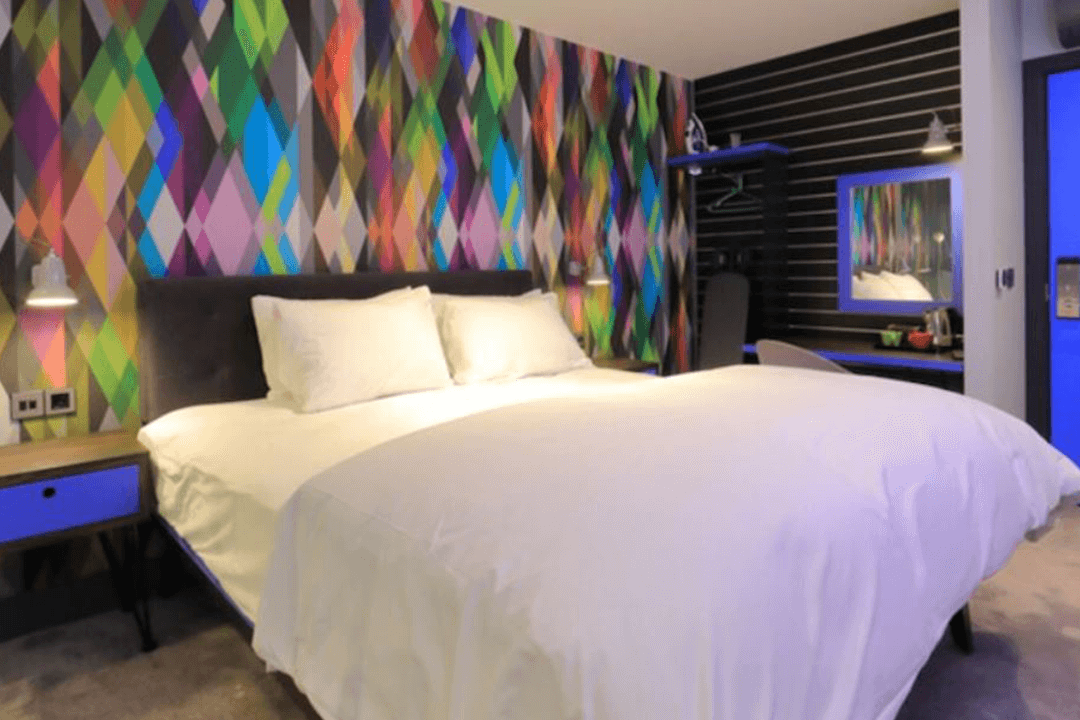
| Love a last-minute bargain? Enjoy a break at Village Hotels from just £51 per night when you book within seven days of your arrival date. Choose from a range of locations including Bristol, Edinburgh, Liverpool, Manchester and beyond. Learn more. |
| |
| Put your investigation skills to the test with a one-night murder mystery stay for two, complete with a scrumptious afternoon tea, a three-course dinner, and a cooked breakfast the following morning. Available on selected Thursdays, Fridays, Saturdays (limited), and Sundays throughout the year at a choice of locations. Learn more. |
|
|
Choosing The Independent as one of your preferred sources ensures that you'll see our coverage more prominently displayed in your searches. That way, you can be sure you're accessing the latest headlines from a trusted source. |
|
|
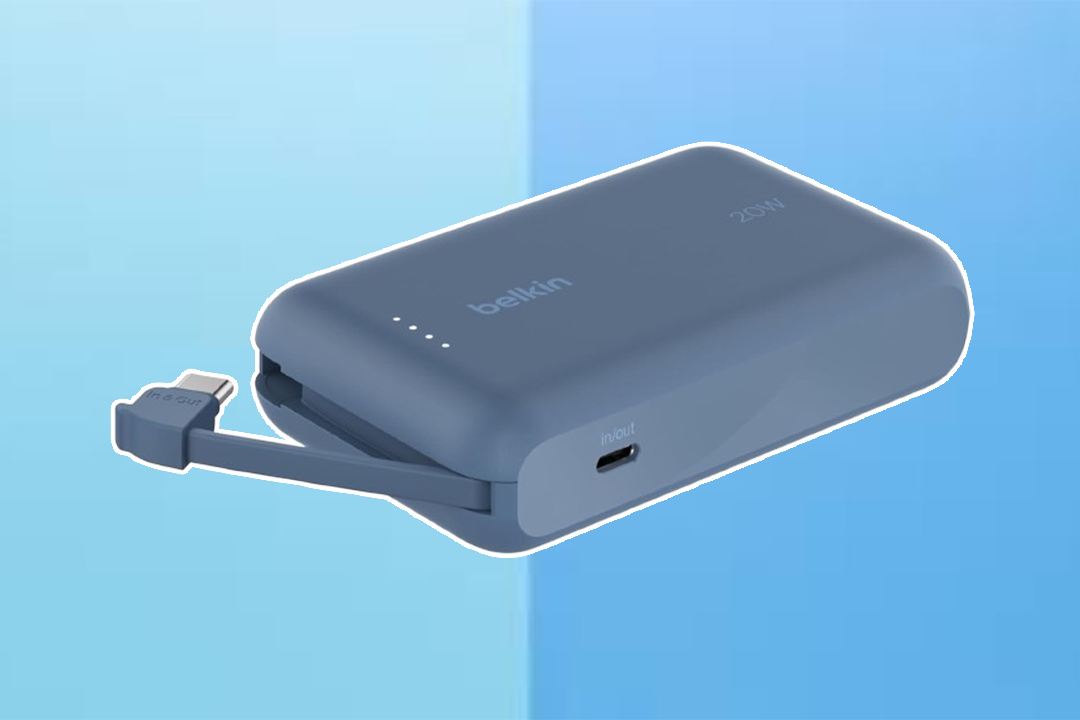
| Stay powered up on your travels – Belkin's handy portable charger has 44% off at Amazon. |
|
|
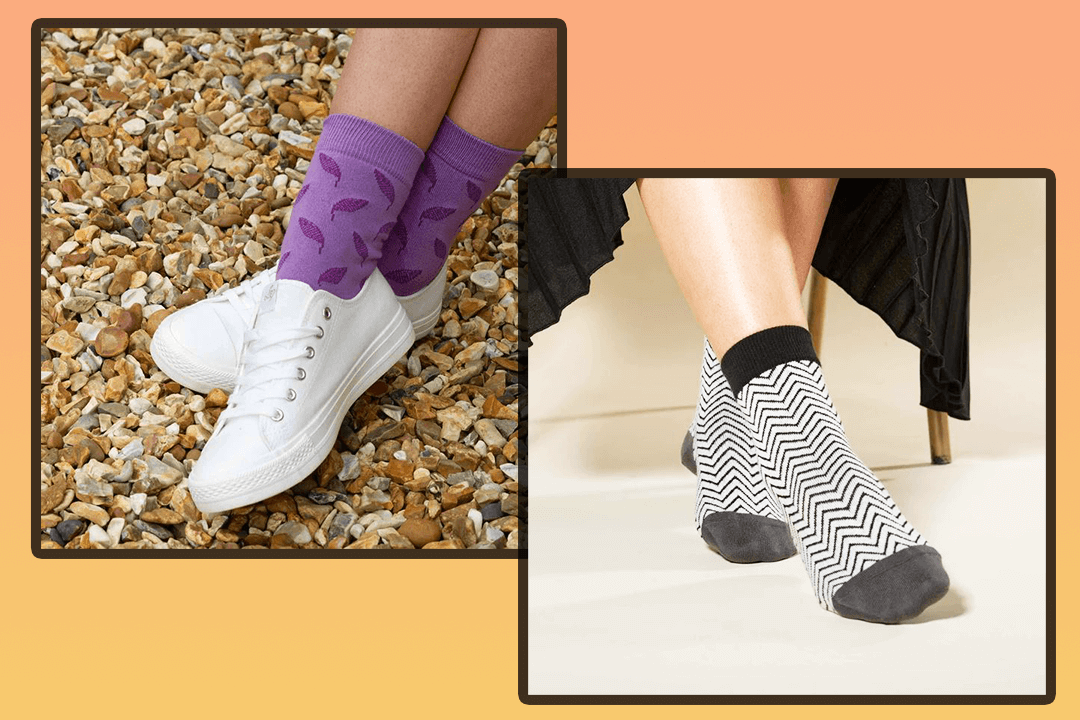
| Keep your feet comfy on adventures and stock up on socks for less in Peper Harow's winter sale. |
|
|
| Be the first to see big travel stories by following me on X/Twitter @SimonCalder. My direct messages are open – and I try to reply to as many as possible. |
|
|
| Follow me on Instagram @Simon_Calder. Join me here live every weekend at 5.30pm British time as I answer your travel questions. |
|
|
Join the conversation and follow us |
| |
Download the free Independent app |
|
|
Please do not reply directly to this email You are currently registered to receive The Independent's Travel newsletter. To unsubscribe from The Independent's Travel newsletter, or to manage your email preferences please click here. This e-mail was sent by Independent Digital News and Media Ltd, 14-18 Finsbury Square, London EC2A 1AH. Registered in England and Wales with company number 07320345
Read our privacy policy and cookie policy
|
|
|
|

















No comments:
Post a Comment
Keep a civil tongue.