It's common. And it's manageable.
  |
͏ ͏ ͏ ͏ ͏ ͏ ͏ ͏ ͏ ͏ ͏ ͏ ͏ ͏ ͏ ͏ ͏ ͏ ͏ ͏ ͏ ͏ ͏ ͏ ͏ ͏ ͏ ͏ ͏ ͏ ͏ ͏ ͏ ͏ ͏ ͏ ͏ ͏ ͏ ͏ ͏ ͏ ͏
| | Sponsored by |  |  | | | | | | | Q | | Is it normal to experience vaginal pain during menopause and is there anything I can do to ease it? | | | | A | | Yes, this is a common menopausal symptom. The main reason for vaginal pain is the natural decline in estrogen levels that happens during this stage of life. Estrogen helps keep the tissues of the vagina healthy, moist, and elastic. When estrogen drops, the vaginal walls can become thinner, drier, and less flexible — a condition often called vaginal atrophy or genitourinary syndrome of menopause (GSM).
Here's what you can do to get relief: - Use vaginal moisturizers: These are available over the counter and can be used regularly (not just during sex) to help keep the vaginal tissues hydrated.
- Try water-based lubricants: These can make sex more comfortable and reduce friction that causes pain.
- Avoid irritants: Stay away from scented soaps, douches, and perfumed hygiene products, which can make dryness and irritation worse.
- Wear breathable underwear: Cotton underwear and loose-fitting clothes can help keep the area comfortable and reduce irritation.
- Consider vaginal estrogen therapy: Low dose vaginal estrogen (available as creams, tablets, or rings) can be very effective at restoring moisture and elasticity. This treatment delivers estrogen directly to the vaginal tissues with minimal absorption into the rest of the body.
- Check out other prescription options: Vaginal DHEA or oral medications like ospemifene (Osphena) may also be helpful for some people.
- Go to pelvic floor physical therapy: If pain is related to muscle tension or spasms, working with a pelvic floor physical therapist can provide relief.
- Stay sexually active if possible: Regular sexual activity, with or without a partner, can help maintain vaginal health by increasing blood flow to the area.
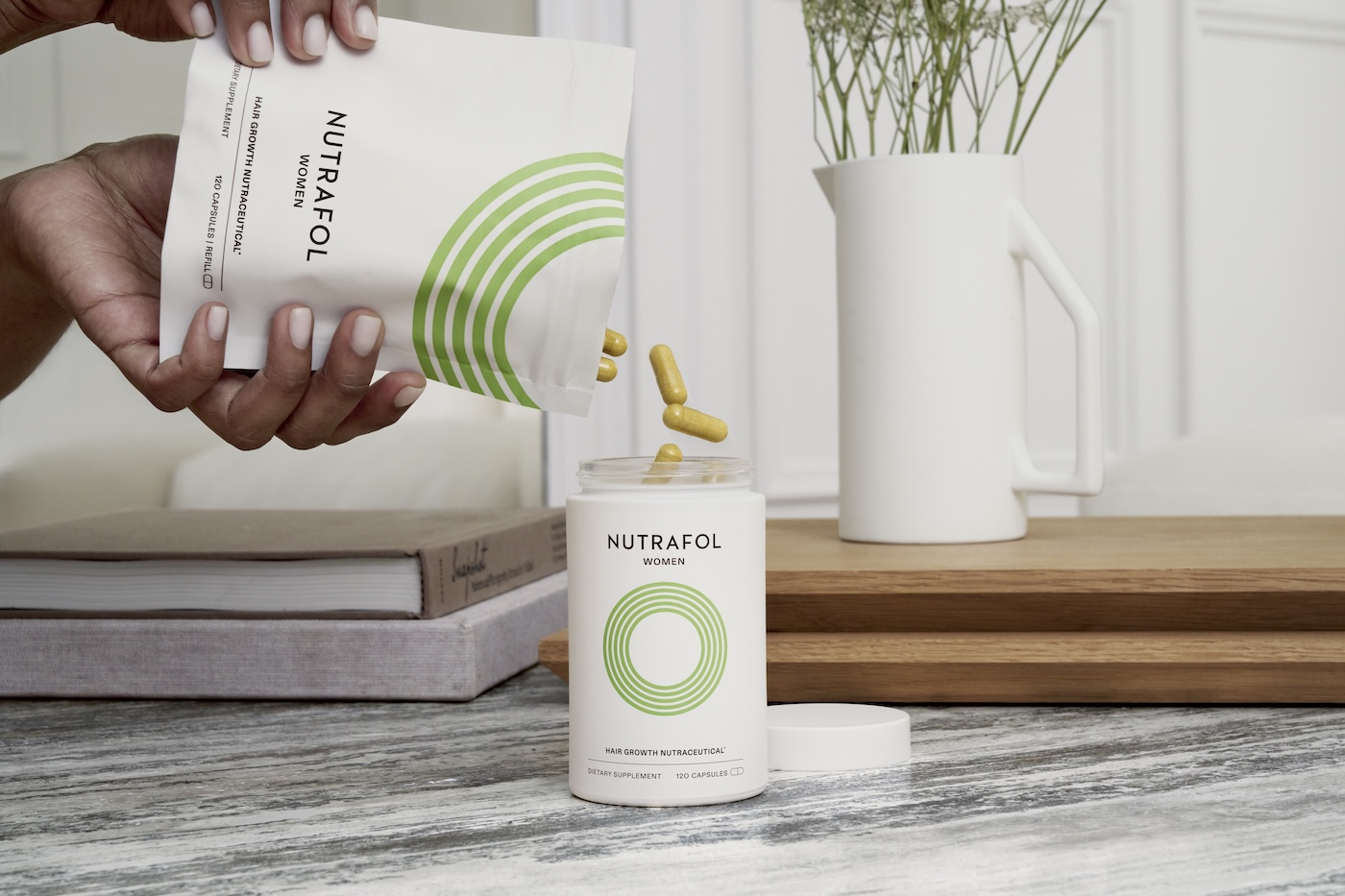
If you notice persistent pain, bleeding, or unusual discharge, it's important to get checked by a healthcare professional to rule out infections or other conditions. There are many effective treatments available, so you don't have to live with discomfort. Help is available! | | | | | | | | Do you have any questions for our menopause experts? Let us know at menopause@healthline.com, and the answer may be featured in an upcoming edition! | | | | | | | | | | | | Sponsored | | Limited-Time Offer | | Up to 20% Off. Start now to see real change in your hair in 2026. | | | | | | | | | | | | | | | | | | | | HEALTHY TIP | | Try taking vitamins to decrease vaginal dryness | | Seabuckthorn oil, fish oil, and hyaluronic acid are among the several natural remedies and supplements that may increase vaginal lubrication. But if your symptoms persist, it's a good idea to talk with your doctor. | | | | | | | |   | |  | | | | We may feature your messages to our inbox within our content. Please do not provide any personal identifiable information. Replies may be edited for length and clarity. For more, see our Privacy Policy. | Healthline, Optum Now, and their respective logo(s) are trademarks of RVO Health, LLC.
All other trademarks are the property of their respective owners.
© 2026 RVO Health, LLC. All Rights Reserved.
1101 Red Ventures Drive, Fort Mill, SC, 29707 | | | |







No comments:
Post a Comment
Keep a civil tongue.