Sponsor

2026/01/05

Winter Safety Zone: Container Labeling | Workplace Housekeeping | PPE Compliance

White text on an orange background that reads: The Safety Zone, trends and updates for a safer workplace

Winter 2026

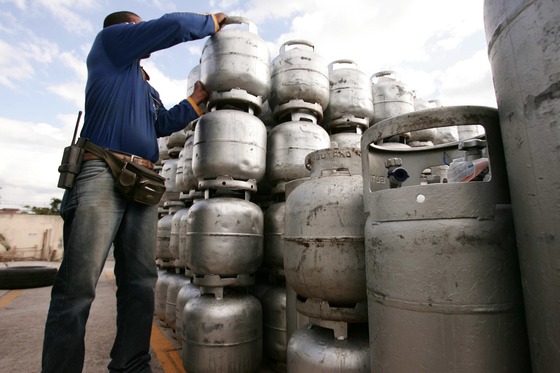
Man lifting an unlabeled container in a stack of similar containers

Chemical Safety: Mastering Container Labeling

Container labeling is one of the most frequently identified health hazards during workplace inspections. Most issues occur with secondary containers (e.g., spray bottles, various buckets, food containers, drinking bottles like soda or water bottles, and Tupperware).

However, primary containers can also become unlabeled if the label fades, comes off, was never applied by the supplier (common with propane or fuel tanks), or if the container is reused for a different chemical.

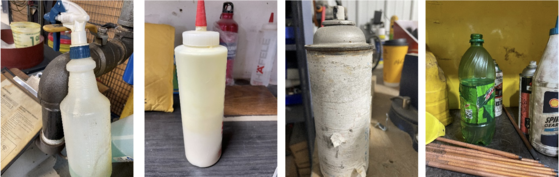
A collage of four mislabeled hazard containers

A collage of container label hazards. From left to right, an unlabeled spray bottle, an unlabeled bottle of glue, a faded label on a spray can, and a soda bottle containing oil.

Labeling Methods

There are different ways to label a container:

  • Writing the chemical's name on the container.
  • Using HMIG/HGMIL labels that stick onto the containers.
  • Contacting the supplier to apply labels, which is mainly done for propane or fuel tanks.

OSHA Labeling Standards

The Occupational Safety and Health Administration (OSHA) requires that employers ensure each container of hazardous chemicals is labeled, tagged, or marked. The labeling must include:

  • Product identifier.
  • Words, pictures, or symbols that provide at least general information about the chemical's hazards.
  • This information, when combined with other available information in the hazard communication program, must provide employees with the specific physical and health hazard information.

For individual stationary process containers, employers can use signs, placards, process sheets, batch tickets or operating procedures instead of individual labels, provided the alternative method:

  • Identifies the containers it applies to.
  • Conveys the required hazard information.
  • Provides written materials readily accessible to employees in their work area throughout each shift.

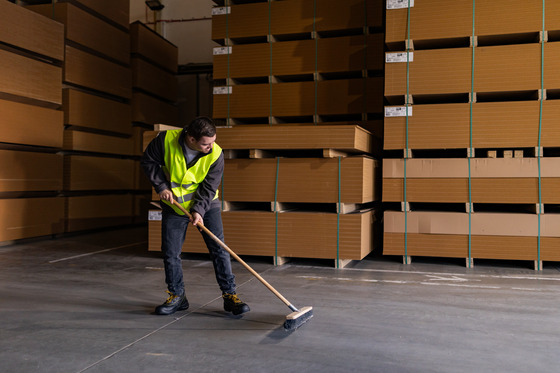
A man in a high visibility vest sweeping a warehouse with a push broom

Workplace Order: Housekeeping as Injury Prevention

Good housekeeping is often the first line of defense against workplace injuries and citations. A clean, organized workplace is the simplest and most effective way to prevent accidents and OSHA violations. It goes beyond sweeping floors; it means keeping work areas orderly, clearly marked, and free from unnecessary hazards that can cause slips, trips, and fires.

Why Housekeeping Matters

  • Injury Prevention: It removes immediate hazards like cluttered walkways, misplaced tools, and blocked exits.
  • Fire Safety: It prevents accumulated materials near ignition sources from causing major incidents.
  • Efficiency: Organized areas improve workflow and reduce time wasted searching for supplies.
  • Compliance: OSHA standards require employers to maintain clean and orderly workplaces.

Common Housekeeping Hazards

Hazards to watch for include:

  • Extension cords or hoses stretched across aisles.
  • Materials or boxes blocking emergency exits, fire extinguishers, or electrical panels.
  • Spilled liquids that are not promptly cleaned up.
  • Poorly stored chemicals or waste containers.
  • Accumulation of combustible dust.

Tips for an Effective Program

  • Assign Responsibility: Make housekeeping a part of everyone's job.
  • Inspect Regularly: Include housekeeping on daily or weekly safety inspection checklists.
  • Label and Store: Clearly mark storage areas, tools, and waste containers.
  • Control Spills Quickly: Clean up liquids immediately using proper absorbent materials.
  • Keep Walkways Clear: Remove debris and trip hazards as soon as they appear.
  • Set the Example: Supervisors should maintain tidy work areas to encourage employees.

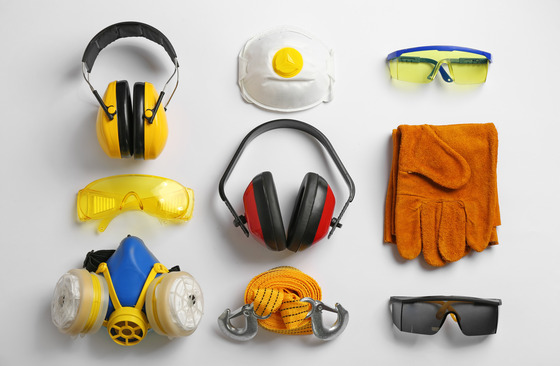
An array of personal protective equipment (PPE)

PPE Compliance: The Foundation of Workplace Safety Training

If employees are required to wear Personal Protective Equipment (PPE), OSHA requires formal training. Employers must verify and document that each employee has received and understood the training.

Minimum Training Requirements

PPE training must include, at a minimum:

  • When PPE is necessary.
  • What PPE is required for each job task.
  • How to properly put on, take off, adjust, and wear the PPE.
  • The limitations of the PPE.
  • The proper care, maintenance, and disposal of each type of PPE.

Benefits of Proper Training

Proper PPE training benefits employers by:

  • Lowering the risk of workplace injuries and illnesses.
  • Holding employees accountable through documented training, making safety a shared responsibility.
  • Demonstrating commitment to protecting employees and meeting safety regulations if an accident occurs.
  • Promoting a strong safety culture when employees understand the procedures and see management taking safety seriously.

Remember: PPE is only effective if it's used properly!

UPCOMING EVENTS/LABOR NEWS

JAN. 13-15
Missouri Mine Safety and Health Conference
at Margaritaville Lake Resort, Osage Beach, MO

Contributing authors:

Lauren McGee
Occupational Safety and Health Consultant

Patricia Hosack
Occupational Safety and Health Consultant

Brian Armstrong
Occupational Safety and Health Consultant


Safety Zone Subscribe Button

This email was sent to ignoble.experiment@arconati.us using GovDelivery Communications Cloud on behalf of: Missouri Department of Labor · P.O. Box 59 · Jefferson City, MO 65104-0059 · 1-800-320-2519 GovDelivery logo

No comments:

Post a Comment

Keep a civil tongue.

Label Cloud

Technology (1464) News (793) Military (646) Microsoft (542) Business (487) Software (394) Developer (382) Music (360) Books (357) Audio (316) Government (308) Security (300) Love (262) Apple (242) Storage (236) Dungeons and Dragons (228) Funny (209) Google (194) Cooking (187) Yahoo (186) Mobile (179) Adobe (177) Wishlist (159) AMD (155) Education (151) Drugs (145) Astrology (139) Local (137) Art (134) Investing (127) Shopping (124) Hardware (120) Movies (119) Sports (109) Neatorama (94) Blogger (93) Christian (67) Mozilla (61) Dictionary (59) Science (59) Entertainment (50) Jewelry (50) Pharmacy (50) Weather (48) Video Games (44) Television (36) VoIP (25) meta (23) Holidays (14)

Popular Posts (Last 7 Days)