According to the expert guest on our latest podcast.
͏ ͏ ͏ ͏ ͏ ͏ ͏ ͏ ͏ ͏ ͏ ͏ ͏ ͏ ͏ ͏ ͏ ͏ ͏ ͏ ͏ ͏ ͏ ͏ ͏ ͏ ͏ ͏ ͏ ͏ ͏ ͏ ͏ ͏ ͏ ͏ ͏
| | | | | This week, I learned that most advice for getting a good night's sleep may be wrong. Two examples: Many melatonin sleep supplements contain barely any of the active ingredients or lose what they have if you store them incorrectly. | | And that age-old advice to go to bed at the same time every night? It could be setting up people with insomnia to fail. Keep reading for more valuable insights into what really works from a sleep expert. | | | | | | | Let's look into it,
Tim Snaith
Newsletter Editor, Healthline |  | | Written by Tim Snaith
February 11, 2026 • 4 mins 10 seconds read | | | | | | | |
| | 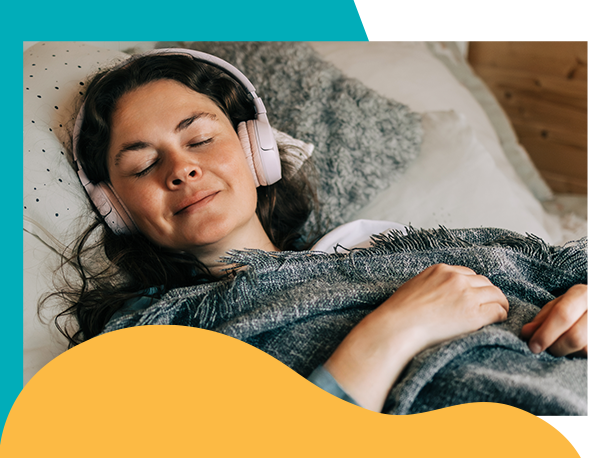 | | | | Why most sleep advice is wrong | | Dr. Lauren Waterman is a psychiatrist who specializes in insomnia. In a recent episode of Medical News Today's In Conversation podcast, she dismantled several pieces of advice that millions of people follow nightly. | | First up, melatonin | | Scientists tested popular melatonin brands and found most had little or no active ingredient. This is because melatonin breaks down when exposed to light. Melatonin gummies kept in a clear bottle quickly lose their active ingredient. Foil-wrapped capsules would work better, but they're hard to find. | | The placebo effect is surprisingly effective for sleep, so if you believe the gummies help, they might — just not for the reasons you think! | | Wake up time matters more than bedtime | | For people with insomnia, the standard advice of "go to bed at the same time every night" can backfire. If you're not sleepy, lying there awake trains your brain to associate your bed with wakefulness and anxiety. | | What actually sets your body clock is when you wake up. Your brain accumulates adenosine — let's call it "sleep fuel" — from the moment you open your eyes. Wake at 7 a.m., and you'll likely be ready to sleep again by 11 p.m. Wake at 11 a.m., and at 11 p.m., you won't have built up enough sleep fuel. | | Coffee drinkers will recognize this mechanism. Caffeine blocks adenosine receptors, masking the sleepy signal. The adenosine keeps building, but you won't feel it until the caffeine wears off. That late-afternoon crash isn't new tiredness; it's hours of accumulated sleep fuel hitting you at once. | | Napping has the opposite effect. Even 30 minutes of afternoon shuteye can deplete your adenosine reserve and disrupt nighttime sleep. This may also explain Monday morning grogginess — you slept in Sunday, couldn't fall asleep Sunday night, and now you're dragging. | | Waking up in the night is totally fine | | Dr. Waterman shared a surprising fact in the podcast that was new to me: "We wake up about 10 to 15 times an hour, everyone. That's one of the reasons we never fall out of bed." | | Most sleepers don't remember these awakenings because they fall right back to sleep. People with insomnia wake up, notice they're awake, start worrying, and then can't get back to sleep. In this scenario, waking isn't the problem; staying awake is. | | This is where the "15-minute rule" comes into play: If you've been in bed for roughly 15 minutes and you're still awake, get up. Go to another room. Watch or read something relaxing. When you feel genuinely sleepy (eyes heavy, about to drift off), go back to bed. This technique breaks the association between bed and frustration. | | Why morning light is important | | Getting a good dose of light after waking helps lower melatonin levels and signals your brain to wake up. In winter, many of us don't get enough of it. Waterman recommends 30 minutes of bright light — at least 10,000 lux — close to your face after waking. A walk outside works. If that's not realistic, a light therapy lamp can do the job. | | As Dr. Waterman puts it: "The most important thing for sleep is whether your brain believes it's going to fall asleep." | | | | Over to you: What's the one piece of sleep advice you follow that actually helps? Share your tips with us at wellnesswire@healthline.com. | | | | | | | | | Rise and shine | | | | | | | 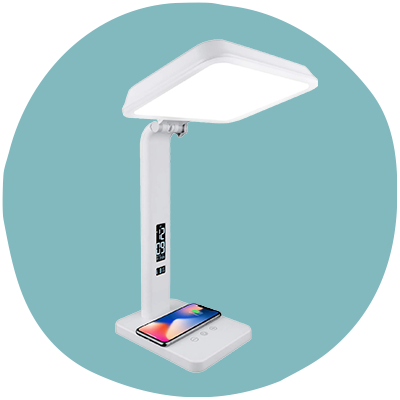 | | TheraLite Aura Qu Light Therapy Sun Lamp | | Dr. Waterman's morning light recommendation is specific: 10,000 lux, close to your face, for 30 minutes after waking. The Theralite Aura delivers that with an adjustable stand that angles light downward, the way experts recommend. It doubles as an alarm clock and phone charger, and at $65, it's a practical option for anyone curious whether morning light makes a difference. | | | Every product we recommend has gone through either Healthline's or Optum Now's vetting processes. If you buy through links on this page, we may receive a small commission or other tangible benefit. Healthline has sole editorial control over this newsletter. Potential uses for the products listed here are not health claims made by the manufacturers. Healthline and Optum Now are owned by RVO Health. | | | | | | | | | | | |   | | | | | | | | Until next time, |  | Take care of yourself, and we'll see
you again soon! | | |  | | |  | | This edition was powered by | | fresh bedsheets. | | | | | | | | View in browser
Did a friend send you this email? Subscribe here.
To see all newsletters, click here.
Privacy | Unsubscribe
We may feature your messages to our inbox within our content. Please do not provide any personal identifiable information. Replies may be edited for length and clarity. For more, see our Privacy Policy.
Our website services, content, and products are for informational purposes only. Healthline does not provide medical advice, diagnosis, or treatment and should not be used as a substitute for medical advice from a healthcare professional. Healthline encourages you to make any treatment decisions with your healthcare professional.
Every product we recommend has gone through either Healthline's or Optum Now's vetting processes. If you buy through links on this page, we may receive a small commission or other tangible benefit. Healthline has sole editorial control over this newsletter. Potential uses for the products listed here are not health claims made by the manufacturers. Healthline and Optum Now are owned by RVO Health.
© 2026 RVO Health
1101 Red Ventures Drive
Fort Mill, SC 29707 | | | | |   | | |
Popular Posts (Last 7 Days)
-
-
Plus: Octavia Butler used 'make America great again' in book years before Trump. That's not the full story ...
-
| |





No comments:
Post a Comment
Keep a civil tongue.