If this week has had a theme, it's that food rarely exists in isolation. What we eat is shaped by politics, economics, culture and – increasingly – the internet. Sometimes that means a war thousands of miles away nudging up the price of dinner. Sometimes it means breakfast cereals quietly failing the government's health tests. And sometimes it means TikTok deciding it can improve beans on toast.
The biggest story of the week sits firmly in the first category. As tensions escalate around Iran, attention has focused on oil markets and global shipping routes – particularly the Strait of Hormuz, one of the world's most important energy choke points. Britain doesn't rely on the Middle East for most of its food imports, and there is little sign of imminent shortages on supermarket shelves. But energy is woven through every part of the food system, from tractors and fertiliser to refrigerated transport and packaging. When oil and gas prices jump, the cost of moving, processing and storing food tends to follow. Grocery inflation has already edged back up to 4.3 per cent, and economists are watching closely to see whether higher energy costs will start pushing supermarket prices higher again. The shelves may stay full, but dinner could quietly become more expensive.
Closer to home, the week also brought a reminder that not everything marketed as "healthy" necessarily deserves the halo. A new analysis of 86 muesli products found that while most perform well under the government's Nutrient Profiling Model, a handful of premium products scored surprisingly poorly. One specialist keto muesli – costing around £5.50 for 250g – scored significantly lower than Nestlé's KitKat cereal. The comparison is jarring, but it reveals something important about how health claims work. A product can advertise protein or fibre prominently while still being high in saturated fat or calories. Muesli itself remains a generally sensible breakfast choice, built around oats, wholegrains and nuts. The lesson is less about abandoning it and more about reading beyond the marketing.
Another breakfast staple has also been under the microscope this week: bacon. Few foods have travelled such a dramatic journey from comfort to controversy. Processed meat was classified as carcinogenic by the World Health Organisation in 2015, and the connection with colorectal cancer has since been widely discussed. But the picture is more nuanced than the headlines sometimes suggest. The increased risk is relative rather than absolute, and much of the evidence comes from long-term observational studies. What matters most is frequency. Bacon was once a seasonal preservation method, eaten sparingly through winter. Today it is cheap, ubiquitous and often consumed far more often than it historically would have been. Two rashers on a Sunday morning is very different from bacon every day.
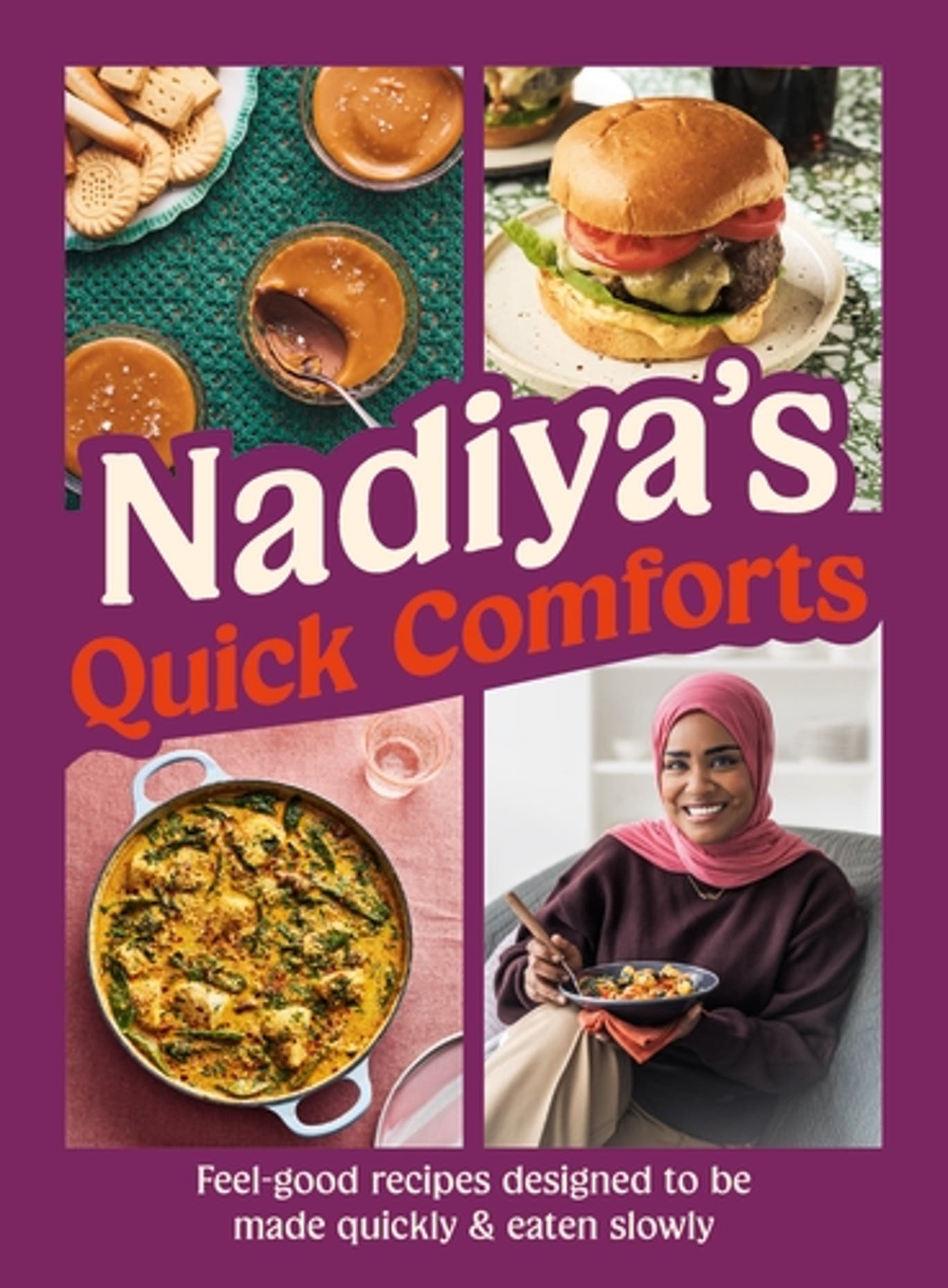
Food television, meanwhile, prompted its own debate this week after former Bake Off winner Nadiya Hussain said she no longer believes she can have the kind of long television career enjoyed by figures such as Mary Berry. Hussain, whose BBC cookery shows ran for a decade after her 2015 win, said she had once imagined herself cooking on television well into old age but now questions whether that longevity is afforded equally to everyone. The cancellation of her latest BBC series last year forced her to reassess both the industry and her own place within it. Hussain says the moment pushed her to step away from what she describes as the "digestible" version of herself she had presented publicly, and instead focus on being more unapologetically authentic – something that has shaped her new cookbook Nadiya's Quick Comforts, filled with the fast, nostalgic dishes she cooks at home for her family.
And then, inevitably, there is TikTok. The platform has taken an interest in beans on toast – not by reinventing it entirely, but by pushing it through an air fryer. The viral version hollows out a slice of sourdough, fills it with beans and tops it with cheese before crisping the whole thing until bubbling and golden. The beans thicken, the cheese forms a crunchy lid and the bread holds its shape rather than dissolving into sogginess. It's still beans on toast, just with a little more crunch. Whether that counts as innovation or unnecessary meddling is, as ever, up to you.
| |
|
Food shortages and price hikes: How war in Iran will affect your supermarket shop |
|
|
Rising oil prices and energy shocks can ripple through the entire food system – meaning conflict thousands of miles away could still create food shortages and affect the cost of your weekly shop, writes Hannah Twiggs
| At first glance, war in the Gulf can feel oddly distant from the British weekly shop. Iran is not where we buy our bananas. Our strawberries are not shipped through the Strait of Hormuz. Most of what fills UK supermarket shelves is grown here or imported from Europe, Africa, America, Asia and Australasia, not from the Middle East.
And yet, the moment the region flares, the price of the basics can start to wobble. Not because Britain suddenly can't get hold of food, but because food is glued – more tightly than we like to admit – to energy.
If you are looking for a neat "will this cause shortages?" story, the evidence points to food security being most challenged in the Gulf states. Iran and Saudi Arabia are heavily reliant on imported food staples such as grain and wheat, much of which passes through the Strait of Hormuz and Gulf ports like Jebel Ali. Smaller Gulf states like Kuwait and Bahrain are particularly exposed because almost all their food arrives by sea via Hormuz, and alternatives are limited. Disruption to these shipping routes will immediately threaten food imports to these regions.
Europe does not generally face outright shortages from Middle East conflict alone, but we aren't immune to the effects of war either, and we are likely to feel this through prices and supply chain pressures.
The UK is a big food importer. Defra put the value of UK imports of "food, feed and drink" at £64.1bn in 2024, the latest statistics. But the source of that food matters: the government's own food security analysis says the EU remains the main source of UK food and drink imports and is "essential to the UK's food security".
Read the full article here
|
|
|
| The new M&S filled hot cross buns might just steal the show this Easter |
|
|
Don't forget to complete your registration |
We've noticed that you still have not completed your registration to The Independent. Registration is a free and easy way to support our journalism. It allows us to better understand our readers and tailor your experience. |
By registering, you'll also gain access to a range of exclusive benefits, including: |
- Limited access to Premium articles
- Access to The Independent app
- Access to more than 20 newsletters
- Commenting on independent.co.uk
|
|
|
|
|
|
|
|
|
|
|
| More tasty recipes inside |
Enjoy endless inspiration with recipes, interviews and more in your latest Indy/Eats food and drink magazine, one of your Independent Premium subscription benefits |
|
|
| In Nadiya's Quick Comforts, Nadiya Hussain leans into the sort of food people actually want to eat: cosy, cheerful and genuinely doable on a weeknight. Packed with more than 80 recipes, from family dinners to puddings and bakes, it's built around comfort without the faff – hearty, nostalgic cooking with Nadiya's usual warmth, shortcuts and charm.
|
|
|
| We've spotted some great whisky deals worth raising a glass to at Amazon. |
|
|
Join the conversation and follow us |
|
|
Please do not reply directly to this email You are currently registered to receive The Independent's IndyEats newsletter. To unsubscribe from The Independent's IndyEats newsletter, or to manage your email preferences please click here. This e-mail was sent by Independent Digital News and Media Ltd, 14-18 Finsbury Square, London EC2A 1AH. Registered in England and Wales with company number 07320345
Read our privacy policy and cookie policy
|
|
| |
















No comments:
Post a Comment
Keep a civil tongue.