Welcome to the JackQuisitions newsletter, |
I’ve made plenty of mistakes in business, but one I still think about is not getting into cell towers. |
A well-located tower with three tenants can potentially generate around $80,000 a year with 80%+ site-level margins. |
But the opportunity isn’t finding cheap land and throwing up a tower. The best developers start by finding where carriers actually need coverage, then secure the site and ideally an anchor tenant before they build. |
Want to learn more? Start with this video. |
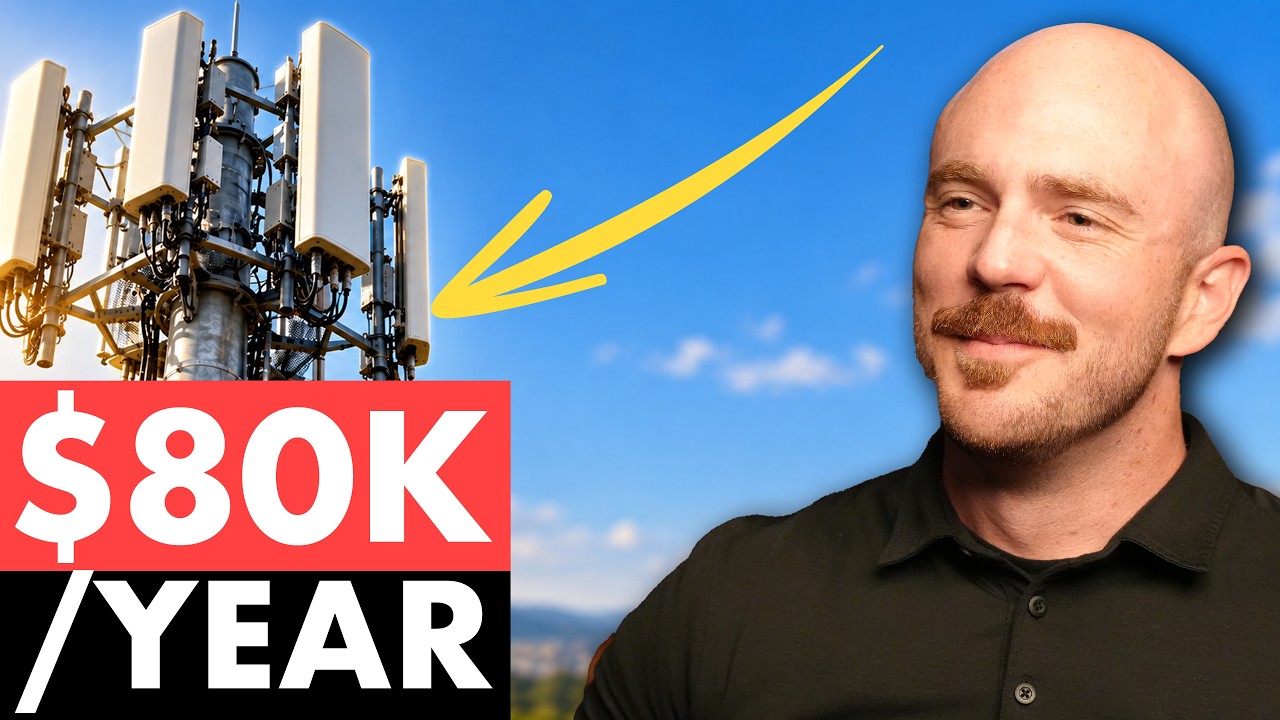 |
Watch This BEFORE You Start a Cell Tower Business |
|
|
|
|
Cut Staffing Costs by 50–70% |
Your technicians should be serving customers, not getting pulled into calls, scheduling, and follow-up. |
Quick Staffers provides pre-trained offshore staff specifically for home service businesses, helping you add capacity without adding expensive local headcount. |
Save 50–70% compared to local hiring Hire trained CSRs, ISRs, recruiters and AP/AR staff Get team members trained on ServiceTitan and home services Add roles as you grow without creating more payroll and compliance headaches Pay $550/week for ongoing support
|
Free up your field team and build a more efficient back office with Quick Staffers. |
|
|
|
|
Ready For Your Next Acquisition? |
Check out these acquisition opportunities that caught my eye this week: |
Putnam County HVAC business asking $825K with $678K revenue, $280K cash flow, 1,200 service contracts, and nearly 20 years in business. Minnesota concrete contractor asking $800K with $1.55M revenue, $351K cash flow, 60+ years in business, and $450K in FF&E included. Westchester County roofing business asking $395K with $593K revenue, 38 years in business, $60K in FF&E included, and 3–6 months of seller transition support.
|
|
|
The Tower Comes Last |
The biggest mistake you could make in this business is finding a cheap piece of land and deciding it looks like a good place for a cell tower. |
The tower comes last. Demand comes first. |
Carriers like Verizon, AT&T and T-Mobile are constantly looking at their networks for coverage gaps and areas where existing infrastructure is running out of capacity. A new tower has value when it solves one of those problems. |
So if I were trying to get into this business today, I’d work backward from the carrier. |
1. Find where a tower is actually needed |
The first job is identifying areas where carriers need additional coverage or capacity. |
That could mean a growing residential area, a busy highway corridor or a location where existing towers can’t adequately handle demand. |
This is the hardest part of the business because you’re essentially trying to understand where the wireless companies need infrastructure before committing your own capital. |
2. Control the site without buying it |
Once you identify a promising location, you need control of a piece of property that can support the tower. |
But that doesn’t necessarily mean buying the land. |
You could secure an option or negotiate a ground lease that gives you control while you work through the rest of the process. That keeps your upfront investment relatively low while you determine whether the site is actually viable. |
The exact location matters. Moving a proposed tower even a relatively short distance could affect whether it solves the carrier’s coverage problem. |
3. Figure out zoning and permitting |
Next comes the part that can kill the deal. |
A 180-foot tower isn’t something you can build anywhere you want. Local zoning, engineering requirements, environmental considerations and other regulations all come into play. |
You want to understand those obstacles before putting serious money into construction. |
The goal is to eliminate as much risk as possible while the project is still cheap to walk away from. |
4. Secure the first tenant |
Ideally, I’d want an anchor tenant committed before building anything. |
That changes the economics completely. |
Instead of spending roughly $275,000 and hoping someone eventually leases the tower, you’re building an asset that already has revenue waiting for it. |
Then the real upside comes from adding tenants. |
In American Tower’s illustrative example, one tenant generates about $20,000 in annual revenue. Add a second and revenue increases to roughly $50,000. Add a third and it reaches approximately $80,000, with about $66,000 in site-level gross margin. |
That’s roughly an 83% margin. |
5. Add tenants or sell the asset |
Once the tower exists, much of the infrastructure cost is already behind you. Another carrier can lease space without requiring you to build another tower. |
That’s why the second and third tenants can be so valuable. |
From there, you have options. Keep the tower and collect long-term rent, continue adding tenants, or eventually sell the stabilized asset to a larger tower operator. |
|
|
My Final Thoughts |
The opportunity isn’t really building metal poles. It’s about finding wireless demand, selecting the right location, and de-risking the project before the expensive part begins. |
Happy hunting, |
Jack |
How do you feel about today's JackQuisitions newsletter? |
|
|
Disclosure: Some of the content and links in this newsletter are sponsored or affiliate links, which means we may receive payment or earn a commission if you click through or purchase. However, all opinions expressed are entirely my own. |
|
|
📺️ Watch JackQuisitions episodes on YouTube |
🎧 Listen to JackQuisitions episodes on Apple and Spotify |
📰 Subscribe to the Owned and Operated newsletter here |
📰 Subscribe to the Entry & Exit newsletter here |
📧 Share the JackQuisitions newsletter with a friend |


No comments:
Post a Comment
Keep a civil tongue.