|
|
| |
Home service marketing is changing fast. Channels we wrote off a few years ago are producing some of our best results, while others are getting harder to scale. |
In a recent episode of the Owned and Operated podcast, Sam Preston and I break down what’s working right now, from Meta ads and mailers to the lead follow-up systems that turn interest into booked jobs. |
 |
Home Service Marketing in 2026: What’s Actually Working |
|
|
|
|
|
|
| |
Check out these resources before you go any further… |
|
|
|
|
|
|
|
|
|
|
| |
The Marketing Playbook Is Moving Faster |
A few years ago, we could add a marketing channel and spend a long time figuring out how to get the most from it. Now, the window feels shorter. More contractors are competing for the same customers, and a channel that drove rapid growth can level off sooner than expected. |
I think of it as the elephant curve. You launch a channel, leads climb, growth flattens and eventually you need another source of demand. We’ve seen that with Google, and it’s why I’m paying closer attention to Meta, mailers and even lead sources I wrote off years ago. |
Some of those old channels are working better for us today. Angie is now our highest ROI lead source. A big reason is that we rebuilt how we respond to leads. We answer calls in about seven seconds, contact written leads automatically and have people follow up to get appointments booked. |
That’s the challenge for home service marketing right now: keep testing where demand comes from while getting much better at converting the leads you already paid for. |
Read: How Direct Mail Can Drive Your Business Forward |
|
|
|
|
|
The Catalyst Experience |
Most conferences send you home with a notebook full of ideas. Catalyst gets you inside the shops, systems, and conversations that can help you put those ideas to work. |
Join home service owners and leaders in Akron, Ohio, May 3–5, 2027, for an hour-long Wilson shop tour, main stage sessions, tactical breakouts, and time to connect with operators facing the same challenges you are. |
Want to go deeper? |
Add the VIP day at Wilson for sales and leadership huddles, meetings with our team and small group AMAs with me, Jack Carr (JackQuisitions), and Wilson President Brandon Niro. |
|
|
|
|
|
|
|
What’s Changing Across the Channels |
Google is still a major source of demand, but we’re seeing more companies grow through Meta ads. Some large HVAC businesses are using Meta as a primary channel, while we’re currently testing it for drains. I’m also seeing renewed interest in mailers. |
These channels bring in different kinds of leads. Someone calling from Google about a broken furnace often wants service now. Someone responding to a Meta ad may still be comparing options. That changes how quickly you need to make contact and how much follow-up it takes to book the appointment. |
At the same time, Google’s ad tools are changing. We’re moving our Local Services Ads management into Google Ads, and Sam and I are watching how Performance Max and AI Max develop. |
We don’t know yet what those changes will mean for results, which is another reason to keep testing instead of assuming last year’s setup will keep working. |
|
|
|
|
|
|
What I’m Watching |
Lead volume is spreading beyond phone calls. |
In a market like Akron, we might receive 500 phone call leads and 2,000 written leads in a week. That changes the job of the call center. Answering the phone quickly still matters, but most incoming leads may need an immediate text, a call and continued follow-up before they book. |
We answer calls in about seven seconds and review that number weekly. For written leads from sources like Angie and Meta, the first response goes out automatically. Automation helps us make contact immediately; our CSRs take over to turn that contact into an appointment. |
Read: The 5 Home Service KPIs That Predict Future Growth |
Booking rate is where the math gets interesting. For lower intent lead sources, we consider 30% booked a good result. In our experience, automated texting can get those leads to roughly 15% to 20% booked. Consistent human follow-up can bring the rate to 30% or more. On 100 leads, that difference represents 10 to 15 additional appointments without buying another lead. |
Meta also demands a different approach to the offer. A retail HVAC shop might be used to selling systems for $12,000 to $14,000. Some of the companies finding volume on Meta are offering full systems closer to $9,000 to $10,000. That does not mean every contractor should cut prices. It means you need to understand the customer coming through that channel, then check whether the offer and margins work for your business. |
The scale of growth we’re seeing is another reason to pay attention. Some home service companies already doing around $50 million in revenue are still growing 20% to 30% year over year, with Meta playing a major role in their lead generation. We’re testing Meta for drains ourselves, but I wouldn’t copy another company’s budget based on its growth story. I’d look at its creative output, booking process, pricing and job economics first. |
The metric to watch is cost per sold job. Lead count and cost per lead tell you what a channel produced at the top of the funnel. Contact rate, booking rate, close rate and revenue per job tell you whether that channel can support profitable growth. Track those numbers together, especially as you test a new source of demand. |
|
|
|
|
|
| |
Build the System Before You Add the Spend |
If you want to test Meta, revisit Angie or add another lead source, start by tracing what happens to a lead today. Pull the last 30 to 50 leads from each channel and follow them from the first call or form submission to the final outcome. You need to know where the process breaks before you put more money into it. |
For each lead, record: |
When it came in and when your team first responded Whether you made contact and how many attempts it took Whether it booked, ran and sold The revenue and gross profit from the job, if it sold
|
Break those numbers out by channel. A Google call from someone with no heat behaves differently from a homeowner who filled out a Meta form while scrolling Facebook. If you combine them into one booking rate, you won’t know which part of your process needs work. |
Make the first response immediate |
Audit your phones first. How many calls go unanswered? How long does it take to pick up? What happens after hours or when every CSR is busy? We answer in about seven seconds and watch that number weekly, but the first step is to measure your own performance consistently. |
Then audit every written lead source. Submit a test form yourself on your website and check what happens. Do the same for each lead partner you pay. Confirm that the lead enters your system, receives an immediate response and is assigned to someone who can book it. An automated text can handle that first touch; it cannot replace a person who follows through. |
Give lower intent leads their own process |
A CSR who is great at answering inbound service calls may need different training to work Meta or Angie leads. Those homeowners may be comparing contractors, may not recognize your number and may need help deciding whether to book. |
Give your team a clear process: call promptly, send a useful text, make another attempt if there’s no answer and keep following up through the channels the customer used. Track whether the team actually reaches the homeowner. Review a sample of messages and calls to see whether the CSR asks for the appointment and handles basic questions about timing, service area and price. |
The goal is to improve contact rate and booking rate, not to generate the largest possible number of follow-up attempts. If leads go quiet, look at how quickly you responded, what you said and whether the offer matched what they expected. |
Match the offer to the channel |
Before launching a Meta campaign, decide what you’re asking someone to buy. A broad “call us for HVAC” ad gives a homeowner little reason to act. A specific drain service or a clearly priced installation option is easier to understand. |
Work backward from your job economics. Know the price you can offer, the gross margin you need and the maximum you can spend to acquire a sold job. Meta may bring substantial volume, but a cheaper lead is only valuable if you can book and sell it profitably. You’ll also need enough creative to keep testing different services, offers and messages instead of expecting one ad to carry the campaign indefinitely. |
Run a controlled test, then make a decision |
Pick one service, one market and one new channel. Set a budget you can afford to learn with, and decide in advance how long you’ll test. Make sure the lead routing, CSR process and offer are ready before the first ad goes live. |
Review the funnel every week: leads → contacted → booked → ran → sold → gross profit. If leads arrive but few people respond, fix the first contact. If you make contact but bookings are weak, review the CSR approach and offer. If appointments run but do not sell, inspect pricing and the sales process before changing the ads. |
Once a channel works, keep improving it, but expect its growth to level off eventually. That’s when you test another source of demand or reach new customers through another market or service. The advantage goes to the operator who can test quickly and turn the resulting leads into profitable jobs. |
|
|
|
|
|
|
|
|
|
|
| |
What’s Costing You Jobs? |
These are the five mistakes I’d look for before spending more on a marketing channel: |
Calling a channel a failure based on lead volume alone. Check how many leads became booked appointments, sold jobs and gross profit. Treating every lead like an urgent inbound call. A Meta or Angie lead may need immediate outreach and repeated follow-up before they book. Assuming an automatic text finishes the job. It starts the contact; a trained CSR needs to work the lead through to an appointment. Running the same offer everywhere. Match the service, price and message to the customer you’re trying to reach on that channel. Adding budget before fixing the bottleneck. Find out whether leads are being lost at contact, booking or sales, then fix that step first.
|
The channel can only produce as much growth as your team can turn into profitable jobs. |
|
|
|
|
|
|
|
|
| |
Pull your last 30 to 50 leads from one channel and track how many you contacted, booked and sold. From there, fix the biggest drop-off before increasing your spend or testing another channel. |
|
|
|
|
|
|
|
|
How to Rank Your Google Business Profile in a New Market |
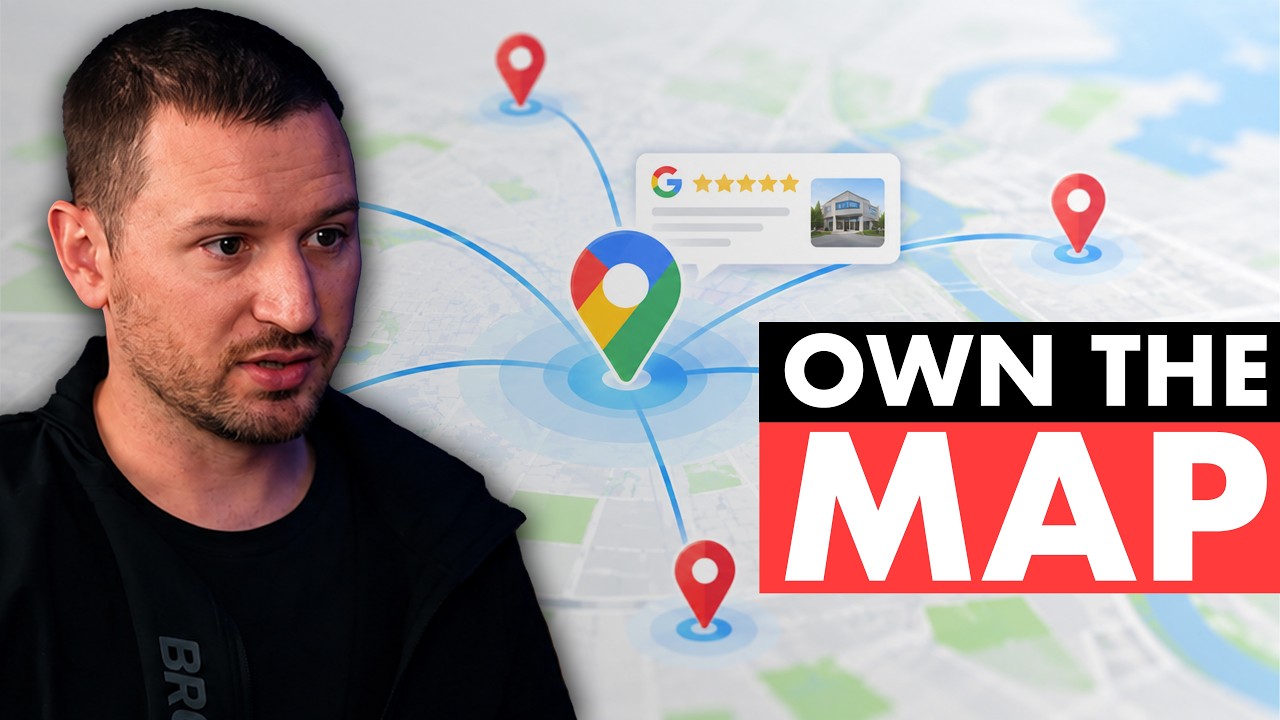 |
How to Rank Your Google Business Profile in a New Market |
|
|
Apple | Spotify | YouTube |
👊 John |
| |
Disclosure: Some of the content and links in this newsletter are sponsored or affiliate links, which means we may receive payment or earn a commission if you click through or purchase. However, all opinions expressed are entirely my own. |
|
|
|
|
|
| |
Want More Owned and Operated? |
📻 Listen to Owned and Operated on YouTube, Spotify, and Apple |
📰 Subscribe to the JackQuisitions newsletter here |
📰 Subscribe to the Entry & Exit newsletter here |
🤝 Get your brand in front of 40,000+ home service business owners here |
|
|
|
|
|
|