Crisis in NHS abortion services
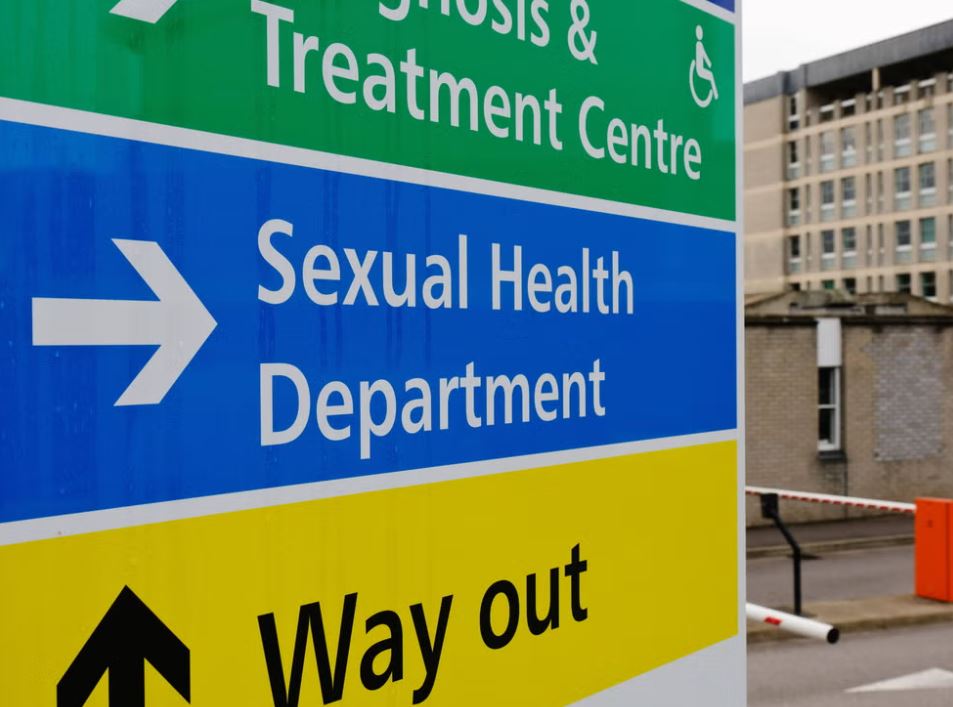
My colleague Maya Oppenheim, The Independent's Women's Correspondent, has been leading the way in reporting on the growing crisis within the UK's abortion services. These services also sit under the umbrella of sexual health services and face the same levels of neglect.
This week a spotlight was placed on the struggles experienced by one of the largest providers of abortion care in the country – The British Pregnancy Advisory Service.
The Care Quality Commission has published a report criticising the provider over delays facing women who need care and failures by the provider to properly investigate serious incidents.
British Pregnancy Advisory Service delivers pregnancy terminations for the NHS to more than 100,000 women every year, with 49 clinics in England coming under the CQC's remit.
Richard Bentley, of MSI Reproductive Choices, the UK's leading abortion provider, told The Independent: "All abortion providers are operating against a tough backdrop. Not only is there unprecedented demand, but abortion services have been underfunded for far too long.
Read Maya's full piece here.
Wegovy plans
In line with the public health focus, announcements this week from the government revealed details of plans to tackle Obesity.
At the core of the announcement was the drive to increase access to weight-loss drug, Semaglutide, or Wegovy as it has been called.
How does it plan to do this? The government said it will pour millions into pilots which will look at how the weight-loss drug can be prescribed within community settings such as GP services.
Under the current recommendations from the National Institute for Care Excellence the drug can only be prescribed for weight-loss by specialist services, most of which sit within hospitals.
This is a curious move and there has to be questions over whether the government is trying to circumvent regulation with its plans.
What the government hasn't included in its announcements are details on how the pilots will also test other methods to support patients with long-term and sustainable weight loss.
Clinical trials of the drug show there isn't evidence it works after it has been stopped and currently NICE only recommend it be used for two years.
It is vital that the government not only invests in treatment but also invests in preventative care otherwise, as one expert put it, the move will merely be a sticking plaster.
Read my full explainer on the news here







No comments:
Post a Comment
Keep a civil tongue.