The slow road through Kosovo
|
“Give it a miss … Prizren is much prettier.” This was one of the comments I found online when I planned my journey through Kosovo last week and was researching the capital city, Prishtina. I was slightly taken aback, especially as I then saw a number of comments about Prishtina being “boring” and “ugly”. I had seen similar comments about Tirana (one TikToker declared it 5/10 and not worth the time), but I had fast become incredibly fond of the Albanian capital, choosing to spend several days there each time I arrived, rather than rushing straight off to the beach or mountains.
So I decided to give Prishtina a chance – and was so grateful I did. While the striking brutalist architecture, Communist-era apartment blocks and smoky cafes may not be to everyone’s taste, the city is full of character. There might not be a pretty little old town, but there are lively boulevards to stroll down and squares where groups of friends and families drink coffee late into summer evenings. And although visitors won’t be met with a slew of tourist attractions, both the National Library in Prishtina – often labelled on social media as “the ugliest building in Europe” – and the Newborn Monument both pay tribute to Kosovo’s complicated past, while there are a few quirky sights to take in, including a slightly bizarre Bill Clinton statue.
But the beauty of so-called ‘boring’ cities is that there isn’t too much to do. Because when you’re not rushing to fit in the “must-see” tourist sights, queuing up at the latest Instagram-famous restaurant or trying to get a photo of the best view, you have the time to take a breath and slip into the daily rhythms of a city. You can dive into small cafes, stroll through city parks, browse local bookshops and learn about local histories – without the pressure of “doing it all” or spending a ton of cash.
As for Prizren? Yes, it is prettier. This charming Kosovan town, nestled in the foothills of the Sharr Mountains, is rich in history dating back to ancient times. With cobbled streets, a river running through the centre and attractive Ottoman architecture, I can understand why travellers are drawn here. On the sunny weekend I visited, there were tourists sipping Turkish coffees in cafes by the water, while others browsed the stores around the main square or took photos from the famous Stone Bridge. It was beautiful, and oh-so-different to the rather grittier, livelier Prishtina. My advice? Visit both. Together, Prishtina and Prizren make an excellent introduction to understanding the layers of Europe’s youngest country. They’re also only an hour apart by road, so can easily be combined into one holiday.
|
The National Library in Prishtina features distinctive brutalist architecture
|
|
|
|
|
Norway-style tunnel connecting two UK cities proposed
|
|
|
|
|
|
These UK train services are reduced until further notice
|
|
|
|
|
|
Denmark issues wolf warning to tourists
|
|
|
|
|
|
New 2,000-mile hiking trail crosses six European countries
|
|
|
|
|
|
Emirates’ ‘game-changing’ new headrest in economy
|
|
|
|
Should cruise passengers pay higher taxes?
|
As annoying as extra charges may be on holiday, I’m generally not against hotel or tourist taxes. When visiting another town or country, it makes sense to me that tourists pay toward supporting infrastructure and local communities – however they travel.
A recent report suggested that passengers on cruise ships are paying 40 per cent less in tourism and other taxes compared with staying in a hotel. The research from clean travel think tank Transport & Environment (T&E) found that cruise ships benefit from tax exemptions granted to commercial cargo fleets, including reliefs on corporate income tax, VAT and marine fuel taxes. Researchers said the lower rate paid by cruise ship passengers fails to account for the environmental costs and contribution to overtourism from cruises.
The cruise industry hit back, claiming that cruise ships cannot be compared directly with hotels, and pointing out the economic benefits cruising brings. A spokesperson for the Cruise Lines International Association told our cruise editor Marc Shoffman: “Cruise cannot be accurately assessed through a selective tax comparison with hotels that fails to account for the sector’s full regulatory framework, operational complexity, environmental commitments and economic contribution. Cruise lines pay substantial port dues, passenger charges and other local fees that support port operations, infrastructure and local services, in addition to meeting wider tax and regulatory obligations as a form of ocean-going transportation.”
Researchers at T&E are calling for a €15 tax per passenger per port call to address the differences in rate – money that could go back to national budgets, be used for the protection of ecosystems in coastal areas, or put towards financing green infrastructure. Fanny Pointet, shipping manager at T&E, said: “We are treating floating hotels like they are essential maritime infrastructure. Cruises are not a mode of transportation but the destination itself, yet we are giving them the same benefits as freight transport. Taxing cruise ships properly would help cities to tackle the pollution and to address concerns of overtourism.”
Read Marc’s full article on cruise ship taxes
|
|
|
|
|
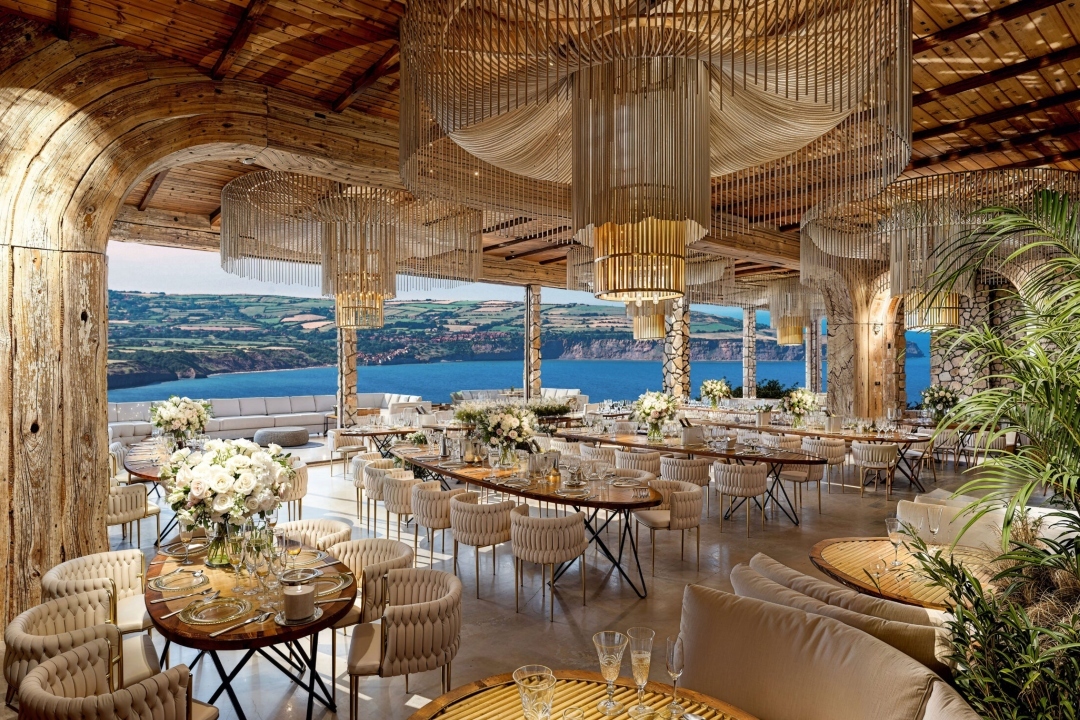
Unwind for less at the highly rated Grand Villa Heights, a boutique coastal retreat perched on a clifftop above Robin Hood’s Bay. Enjoy a stay for two with continental breakfast, a glass of prosecco, and an optional dining upgrade. Find out more.
|
|
|
|
|
Budget break? Travelodge has selected rooms for £35 or less when you book in advance.
|
|
|
|
Take out an Independent Premium subscription and unlock expert travel analysis, insider tips and the best deals to help you make the most of every trip.
Join now with our introductory offer: just £1 for 6 months
|
|
|
The impact of France droughts
|
The scorching temperatures across France are showing little sign of letting up, leading to drought conditions across much of the country. As is often the case, tourism is shielded from the worst of the impact while local life takes the brunt, but there are some things that travellers need to be aware of if heading to France for their summer holiday.
This week our France expert Anna Richards, who lives in Lyon, told The Independent that there are restrictions across the country, and in some areas – particularly in the centre, east and parts of Normandy – departments have been placed at “crisis” level, with hosepipe bans covering all daytime hours, washing cars being forbidden, and residents banned from refilling pools when the water level descends. She said that some gites have already warned guests that they are unable to top up their shared pools, but these restrictions are limited, so most travellers will not need to worry.
Anna said that river kayaking and paddleboarding are the main activities affected by droughts, although France has been spared the troubles faced by cruise ships in other European countries that have been stranded due to low water levels.
Having spent some time in Paris during the worst of the heat, Anna also shared her tips on making the most of the capital even when it’s sweltering. Her advice included swimming in the Seine (there are five “wild” swimming spots in central Paris) and planning activities in air-conditioned museums – including the Louvre, Musée de l’Orangerie and Musée Carnavalet – or even underground in spots like the catacombs.
|
|
|
|
|
Is AI-enforced border control a good idea at airports?
|
|
|
|
As biometric AI border control rolls out at Dubai airport, this week I want to know if you think the non-stop immigration system is a good idea. Are the Smart Gates a great time-saver? Or is the “red carpet” lane without border control desks AI gone too far? Vote by selecting the buttons above.
|
|
|
|
|
It seems most of you are keen to keep things covered up. When we asked whether UK seaside towns should introduce fines for people wearing only swimwear in town centres, 81 per cent of you said yes, suggesting readers are firmly in favour of a bit more decorum on the high street.
|
|
|
|
There’s nothing quite like escaping into a great book on your summer holiday. But if you’re stuck for inspiration on what to read next, I’ve rounded up the best summer books to add to your beach bag, whether you’re heading off on a long-haul flight, relaxing by the pool or enjoying a staycation in the UK.
One of my top picks, and one of the buzziest books of the year so far, is Yesteryear by Caro Claire Burke, which is currently half price. It’s a compelling read that deserves a spot in your suitcase.
If you’d rather pack your entertainment digitally, a tablet is a travel essential. The Amazon Fire HD 10 tablet is currently reduced to £110, making it a great-value option for streaming, reading and browsing on the go. Alternatively, the Kindle Scribe is an excellent travel companion, combining an e-reader and digital notebook in one lightweight device. It’s currently got £125 off for a limited time.
And if you’re looking for headphones to keep you entertained on your travels, our tech expert has compared Apple’s range of earbuds to help you choose the right pair. If you struggle to sleep on planes, the £27 Bluetooth sleep mask from Musicozy lets you listen to music or podcasts while blocking out light, making it easier to drift off. You can also browse our roundup of the best sleep headphones and earbuds for travel-friendly options.
|
|
|
Latest lifestyle headlines from Bulletin: |
|
|
Join the conversation and follow us
|
|
|
Please do not reply directly to this email
You are currently registered to receive The Independent's Travel newsletter.
To unsubscribe from The Independent's Travel newsletter, or to manage your email preferences please click here.
This e-mail was sent by Independent Digital News and Media Ltd, 14-18 Finsbury Square, London EC2A 1AH. Registered in England and Wales with company number 07320345
Read our privacy policy and cookie policy
|
|
|
|





















No comments:
Post a Comment
Keep a civil tongue.