 |
|
|
1 |
|
Get the lighting right
Hanging a pendant will give your dining area an instant sense of place, but do be generous with the size, says interior designer Emma Neame. Another common mistake is hanging it too high; a general rule of thumb is around 60 to 80cm above the tabletop – low enough to feel cosy, high enough to prevent a backroom poker night vibe.
“I follow the rule of one pendant light for a circular table and two for a rectangular table,” says interior designer Sarah Spencer Ashworth. “If you go for wall lights”, she says, “make sure they are downlighters rather than uplighters.” If you rent and need a more temporary solution, try a battery-operated table light: “They create a wonderfully cosy central focus on the table.” |
|
2 |
|
Save space with a bench
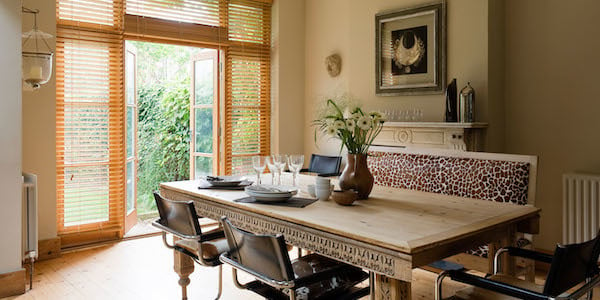
If your dining area is narrow, try adding a built-in bench seat to a wall or corner. This prevents dead space, stops chairs scraping paintwork and the space underneath can double as storage – plus more people can fit in when you’re entertaining. “Adding a long seat cushion is also an excuse to bring fabric you love into the kitchen”, says Huxley Home founder Zara Cowen, “and if it backs onto a wall that’s also a great focal point for artwork.”
As for artwork itself, The Art Register founder Lizzie Dixey recommends “one statement piece of art that contrasts with the hard furniture around it – a framed textile or hanging can work well in this space.” A fitted mirror above the dining area can be impactful too, adds Emma Neame, “but opt for an antiqued finish as no-one wants to watch themselves eat.” |
|
3 |
|
Buy creatively
If you’re on a budget buying display item tables and chairs can be a lot cheaper, says Neame, who also suggests “[giving] a set of antique chairs some love by reupholstering the seats.” Since you’re unlikely to use a set of eight chairs everyday, Truffle Tablescapes founder Kate Fairlie suggests buying a style which can double as an accent or occasional chair in your hallway or bedroom and brought out when you have guests.
Don’t be too tempted by trends, says Ashworth: “If you are on a budget then go for a clean, simple wooden chair in a good shape that has timeless appeal”, and do try before you buy. “You would be amazed how many people find out they are uncomfortable after they have invested,” she says. |
|
 |
4 |
|
Entertaining? Don’t be a minimalist
Minimalism has its place in the home, says Fairlie, but more really is more when it comes to the dining table. A successful tablescape “is all about the layers,” she says, “you start with a tablecloth or runner, then build up from there with charger plates, dinner plates, napkins and glassware.”
If you want a mismatched look but don’t want the table to look like a crockery stall, use at least one neutral set of plates as a base then add patterned pieces, like layering up a classic white t shirt. “I’ve got white plates with gold edging that go with everything,” says Fairlie. For maximum impact, lay all the crockery on the table for when guests arrive. |
|
|
5 |
|
Turn your table into a picture
Up your tablescape game on special occasions with a removable table display bar, says Jen Rothbury of @crack_the_shutters. These can be decorated with foliage, fairy lights or even little hanging lanterns: “It turns your table into a giant picture frame,” she says. Adding height is important when you’re decorating a table, agrees Fairlie, but don’t place anything which blocks people’s eyeline: “Tapered candles are a good solution” she says, “I also recently spotted floating LED candles which can be hung from the ceiling and look amazing.”
Fairlie suggests making table flowers go further by splitting a single bouquet between several small vases bulked up with greenery cut from the garden, or mixed in with dried flowers which can be used again. Arrange flowers in odd numbers and buy seasonally to keep costs down. |
|
6 |
|
Got a dedicated dining room? Don’t hold back
If you are lucky enough to have a separate dining room, treat it like a stage. “The dining room is high camp, it’s a Susan Sontag essay, it’s a place to perform not to live,” says Aaron Markwell of Coat paints. “Since you want to be looking at the people in it rather than the surroundings, a darker, richly-saturated colour on the walls lends itself to that – it creates atmosphere.” |
|
|
| |
|
| |
|
Meet the Maker: Jess Wheeler |
 |
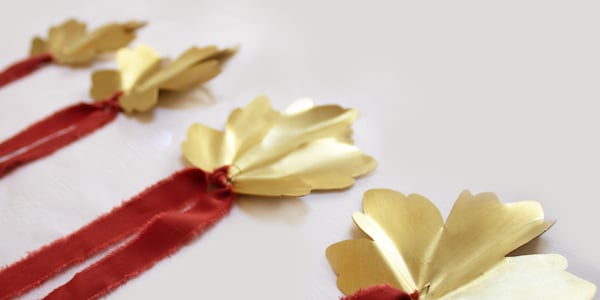
Jess Wheeler was a set designer before moving from London to north Wales to set herself up as a metalworker. Crafting in brass and bronze from her Victorian cowshed workshop, her sconces, wall lights and candelabras are drawn from nature, including the ancient oak on her doorstep. |
Before I begin a piece … I do lots of drawings and studies of the branches or leaves I’m going to make in metal. I then do a wire and paper version before making the piece in brass or bronze. |
I get inspiration from … the landscape where I live. |
My own home is … full of stories, joy and colour. I can pinpoint where everything came from, whether it’s a huge black and white photograph by my friend Will Waterworth or an old Victorian sofa I upholstered in a fabric I designed. |
Set design taught me … the joy of working with different and difficult materials. I thrive on the challenge of figuring out how things are made. Making in metal was the itch I hadn’t yet scratched, until I came to Wales and met an amazing local metalworker and had space to set up a workshop. |
 |
The biggest misconception about metalwork … is that you need heavy machinery and lots of kit. I am teaching a course with Create Academy using a few basic tools which you can do from your kitchen table. I want to teach people how accessible and beautiful it can be working with such an incredible, sustainable material. |
I could never get rid of … my excessive collection of pelargonium flowers, even though it’s getting out of control. Every windowsill is filled with them and most I have grown from small cuttings. When outside isn’t enticing, I turn to these for endless inspiration. |
The pieces I’m most proud of … are my new collection of bronze cast cabbages, rhubarbs and fig leaf wall lights. Seeing them fit beautifully into contemporary and traditional homes is such a joy. |
For more information on Jess, visit her website here. |
|
|
| |
|
|
| Be part of the buzz at Coppermaker Square |
 |
Right in the heart of Stratford, one of London’s most exciting neighbourhoods, Coppermaker Square is reinventing renting. These aren’t just high-quality apartments with exceptional views, but a modern, holistic approach to city living.
|
|
|
|

|
Home Planet |
Design that doesn’t cost the earth |
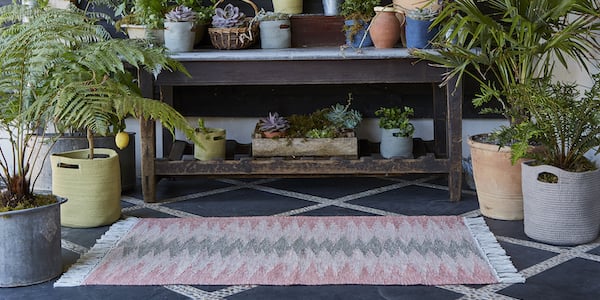 |
Appearances can be deceiving: every item made by homeware brand Weaver Green is crafted from 100% recycled plastic bottles. This not only removes tonnes of plastic from circulation – the company uses several million bottles a year – but it makes their products extremely easy to clean – ideal if you live with children, pets or an accident-prone housemate.
Above: Rhubarb Lycia rug, from £130 |
|
|
| |
|
Dream Pad: Inside a chic Antwerp home |
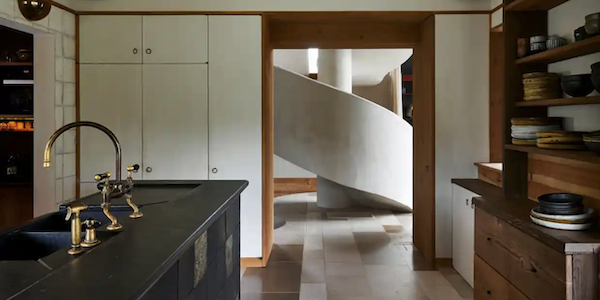 |
From the Guardian archive: There are staircases, and then there’s this Frank Lloyd Wright-inspired masterpiece designed by Caroline de Wolf and Joris Van Apers for their Antwerp home. It forms the spine of a house filled with tactile materials and thoughtfully-crafted living spaces. |
|
|
| |
|
This Old Thing: Lamps |
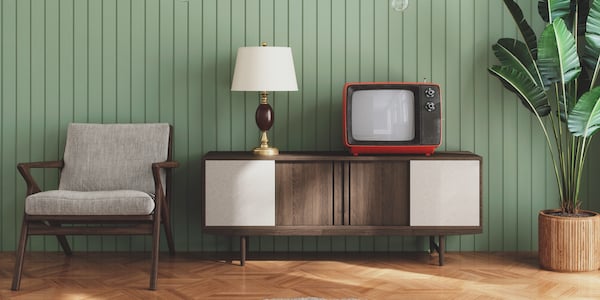 |
Paula Sutton, founder of Hill House Vintage, on the smart way to hunt for a preloved piece
“I’m a huge fan of using plenty of lamplight around the house – particularly retro and vintage style. Overhead light fittings can be great but are often quite harsh and uninviting when you just want to relax. Lamplight can add warmth and character to any interior, and the beauty of buying vintage is that almost every era of the past century has had a specific style that varies from the traditional to the futuristic, allowing plenty of choice.
“Many people feel that they need to draw the line at using vintage lighting, fearing that they may present a safety hazard when it comes to modern requirements. However, as long as you ensure that your vintage or antique lighting comes with a guarantee of British electrical compliance and safety standards, then whatever the shape, size or era of your lamp, you’ll be fine. Thankfully, there are numerous incredibly creative refurbished vintage and antique lighting sellers out there to give us plenty of safe and innovative choice.
“For an authentic touch, look out for cotton braided cables, heavy china, antique brass, and Italian Murano, but the world really is your oyster when it comes to the core material of your lamp. Some design classics will still have their original date stamp and labels, and some styles will be easy to identify by their modernist, Danish or Mid-Century shape, for example. Choose well and it’s one of the easiest ways to create a unique and sustainable design statement in your home.”
|
|
|
| |
| Advertisement |
|
 |
|

|
Before you go |
 |
Why not try Fashion Statement? Our weekly newsletter featuring smart fashion writing, your wardrobe dilemmas solved and much more. Click here to sign up. |
|
|
| |
|




No comments:
Post a Comment
Keep a civil tongue.